Engagement
This or that: a Delaware Water Gap run on Old Mine Road, or a Shore cruise down the Parkway to the boardwalk. Pick one and tell us why. #RideNationNJ #DelawareWaterGap #JerseyShore #NJRiders
Giveaway & Countdown
The BikersWin $20,000 motorcycle giveaway is officially rolling, Jersey. Every rider who talks to us about a crash gets entered, free, no purchase, no catch. Call Garces, Grabler & LeBrocq at (855) 337-7062 to ask how. #RideNationNJ #BikersWin #20kGiveaway
Local NJ & Rides
Old Mine Road along the Delaware Water Gap stays quiet and shaded all summer. Put it near the top of your spring list. #RideNationNJ #DelawareWaterGap #NJRiders
Gear & New Iron
New Jersey helmet reality: it is the law here for every rider and passenger, no exceptions. Look for the DOT sticker and if it ever hit the pavement, replace it. #RideNationNJ #GearUp #ATGATT
Safety & NJ Law
Here is the upside nobody tells New Jersey riders: because no-fault PIP does not cover motorcycles, you are not stuck behind the verbal threshold and you keep full tort rights. That is a real advantage after a crash. Questions about your rights? Call Garces, Grabler & LeBrocq at (855) 337-7062. #RideNationNJ #RiderRights #NJRiders #KnowYourRights
Engagement
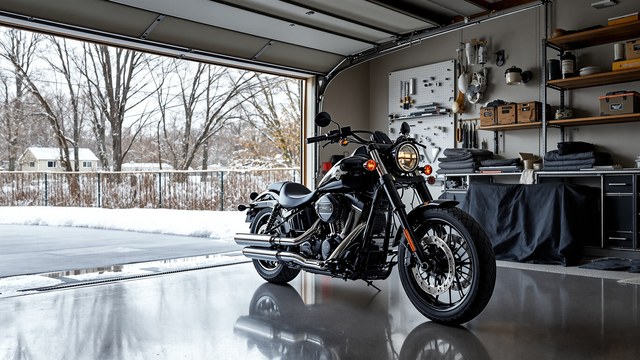
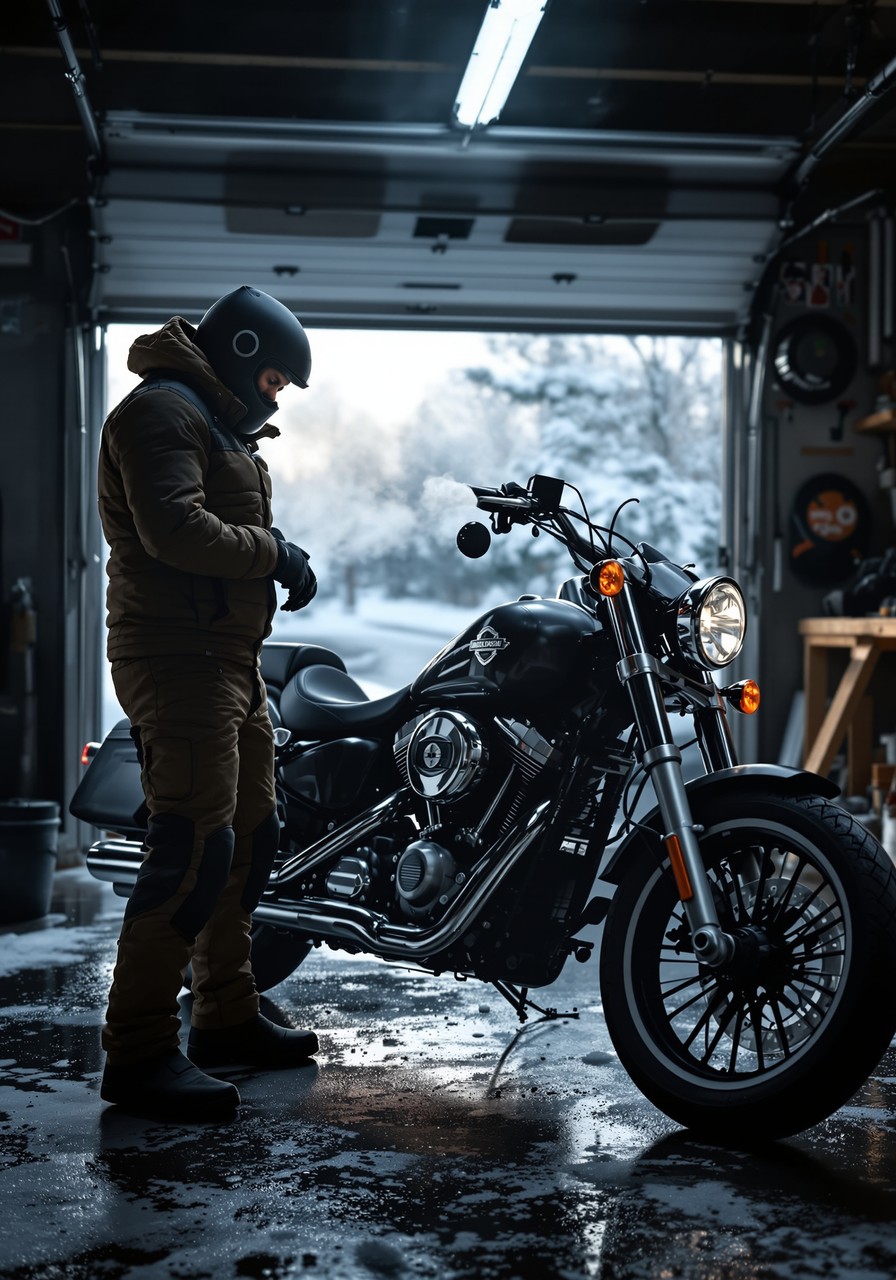
Caption this: your bike under the garage light in January, waiting. Best line wins bragging rights. #RideNationNJ #GardenState #TwoWheels
Giveaway & Countdown
Want in on the $20,000? A free case review is your entry. Talk to us about your wreck and you are in the running. Call (855) 337-7062 today. #RideNationNJ #MotorcycleGiveaway #NJRiders
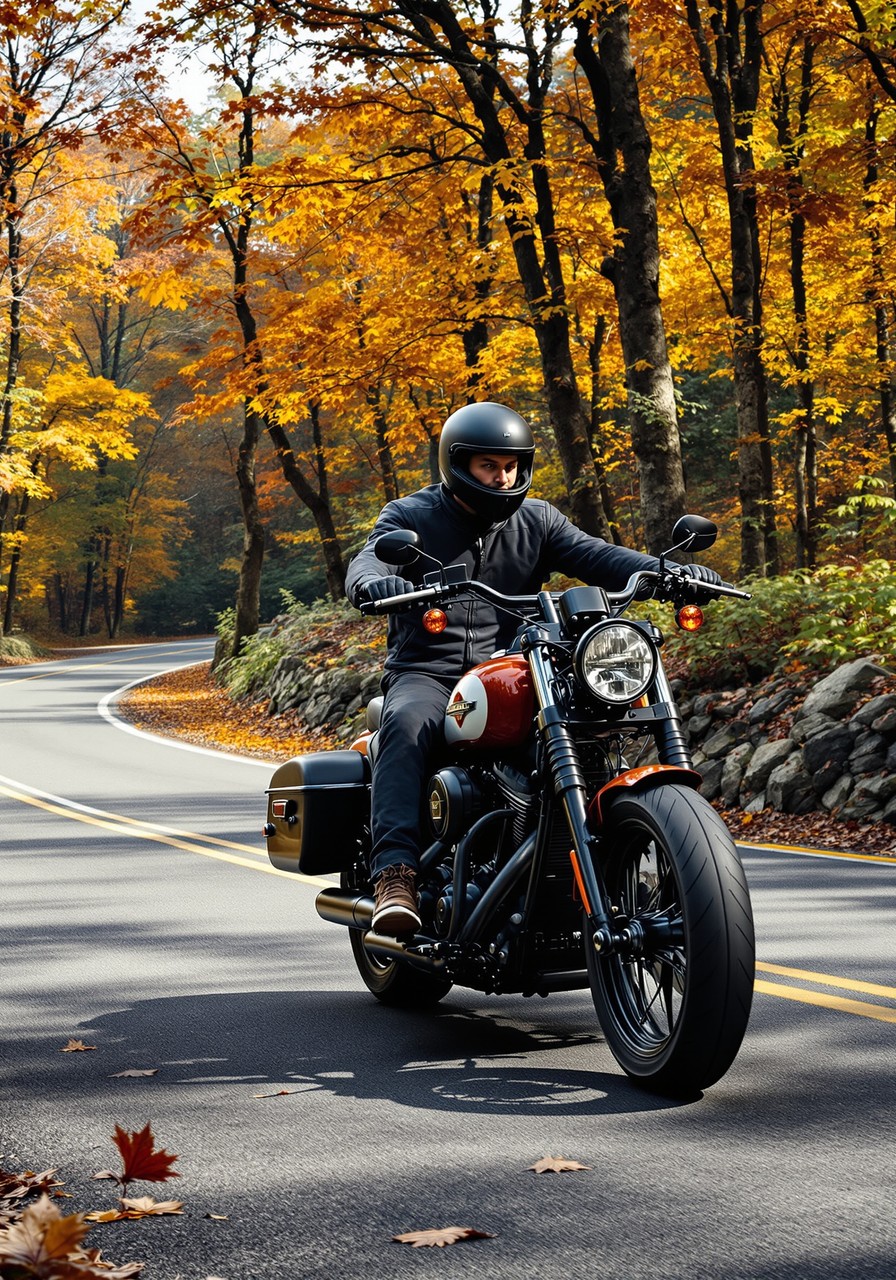
Local NJ & Rides
Skyline Drive up to High Point State Park is the ridge run everybody remembers. Ride it on a clear morning before the day heats up. #RideNationNJ #HighPoint #MotorcycleRoads
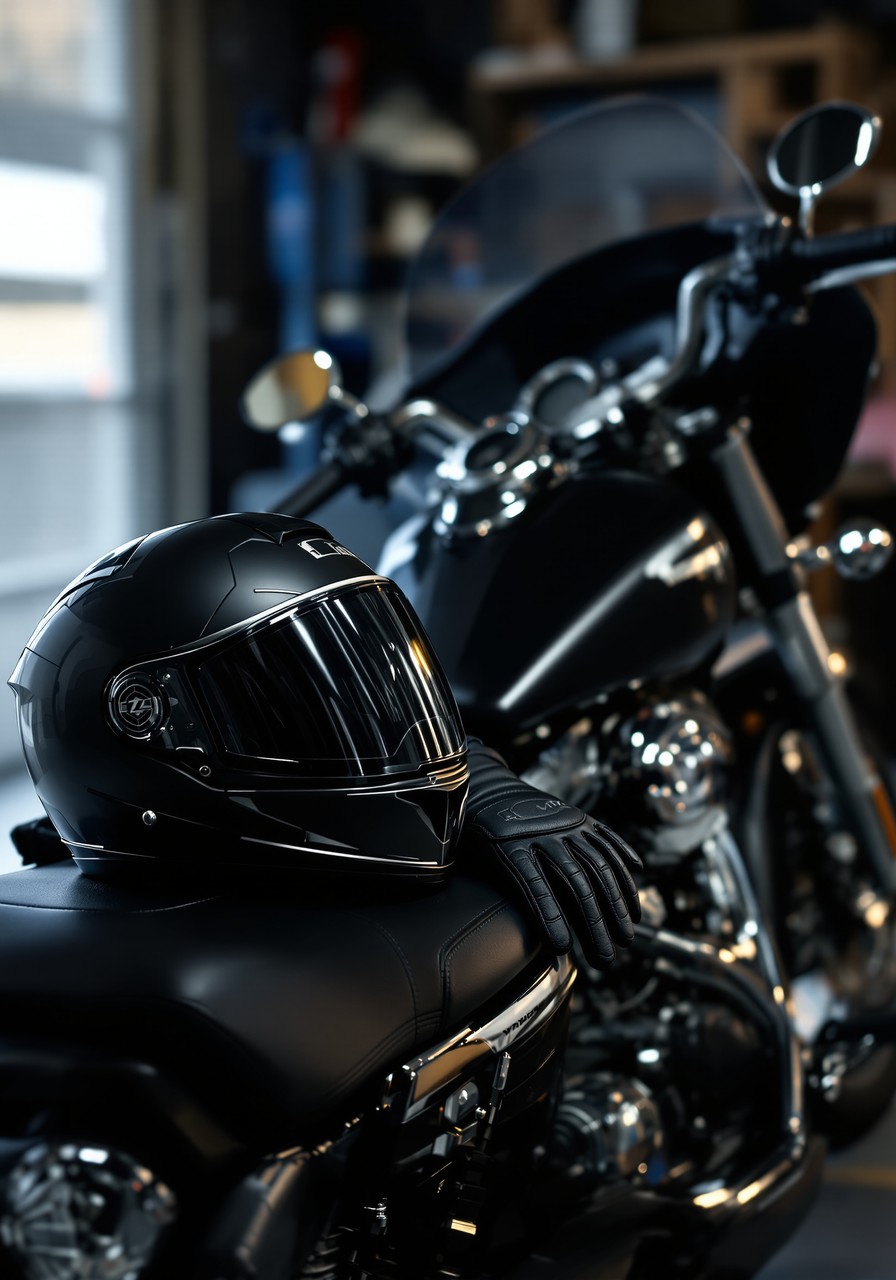
Gear & New Iron
Your helmet has a birthday. Most makers say swap it around the 5-year mark even if it looks fine, because the foam breaks down. Check the date stamp inside. #RideNationNJ #GearUp #RiderTips
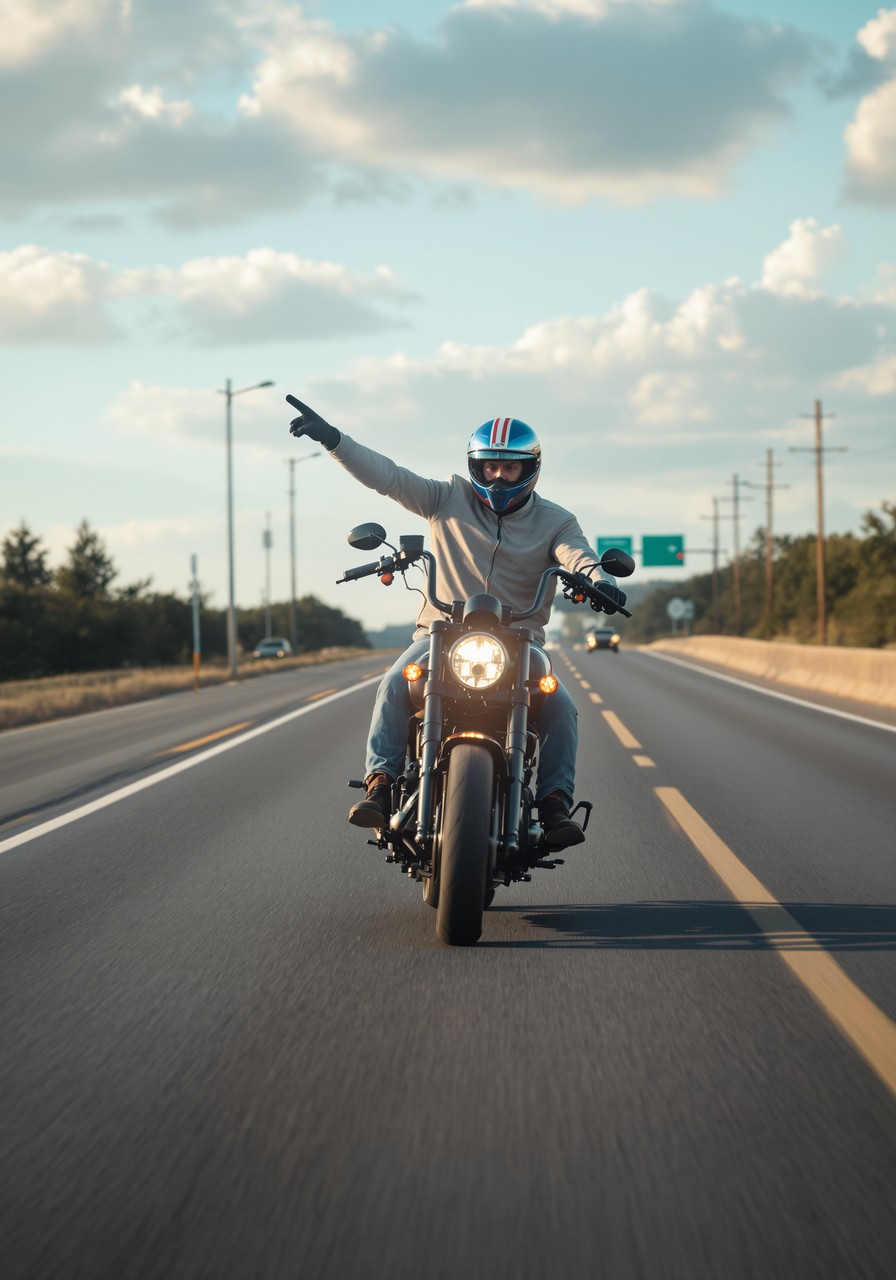
Safety & NJ Law
Jughandles and left-turning cars are the number one threat at Jersey intersections. Cover your brakes and ride like they do not see you, because too often they do not. #RideNationNJ #MotorcycleSafety #NJRiders
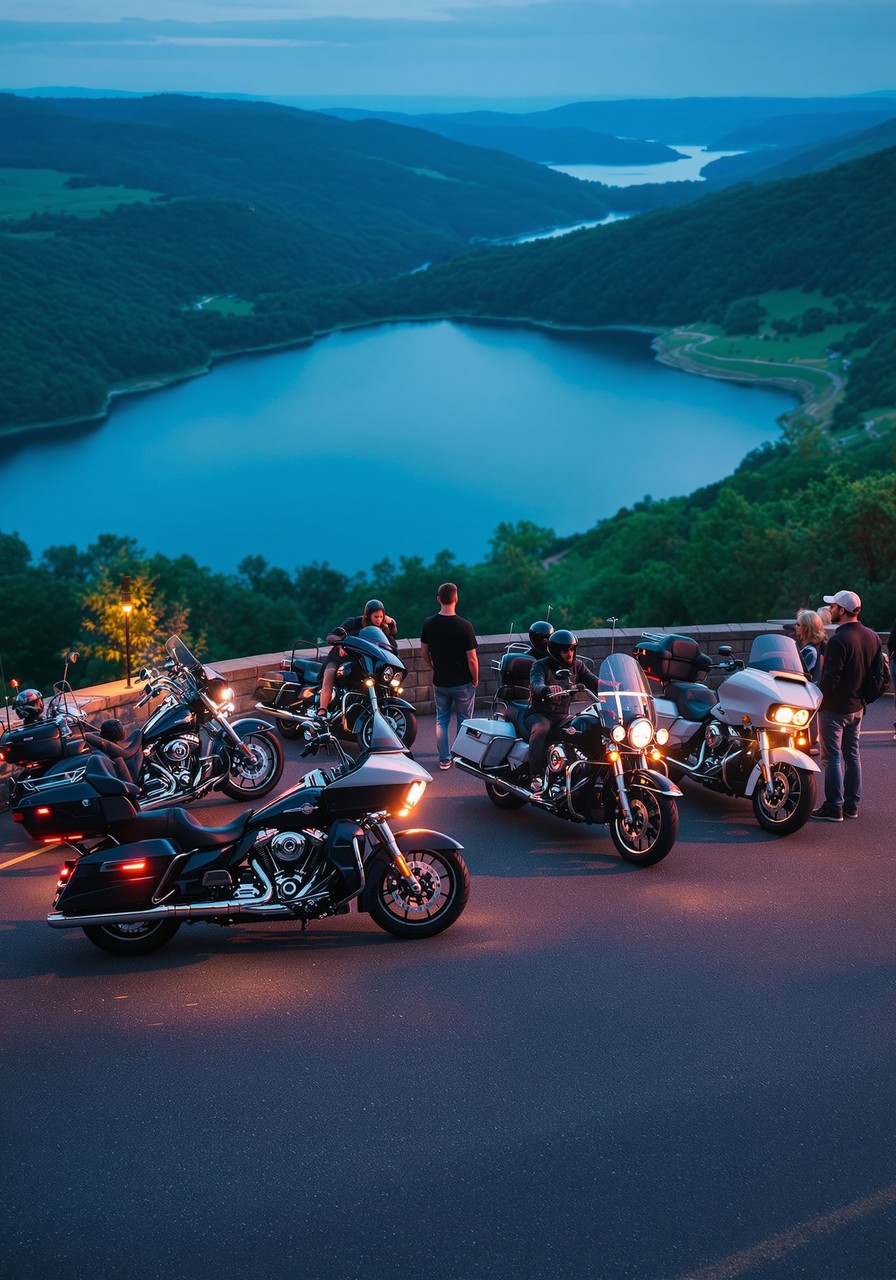
Engagement
Fill in the blank: the first warm Saturday of spring, I am pointing the front wheel toward ______. #RideNationNJ #NJRiders #DelawareWaterGap
Giveaway & Countdown
Countdown is on, Garden State. Twenty thousand reasons to check your bike, tag a buddy, and stay in the loop. #RideNationNJ #BikersWin #20kGiveaway
Local NJ & Rides
The Sourland Mountains give you tight, tree-lined miles without the crowds. Perfect for an easy Sunday loop close to home. #RideNationNJ #NJRiders #MotorcycleRoads
Gear & New Iron
Dropped your lid off the seat or the bench? Retire it. A single hard knock can crush the liner where you cannot see it. A helmet is cheap next to your skull. #RideNationNJ #GearUp #ATGATT
Safety & NJ Law
No PIP on your bike means UM/UIM coverage is your real backstop in New Jersey. With this much traffic and this many minimally insured drivers, do not skimp on it. Want us to look at your policy? Call (855) 337-7062. #RideNationNJ #RiderRights #NewJerseyRiders
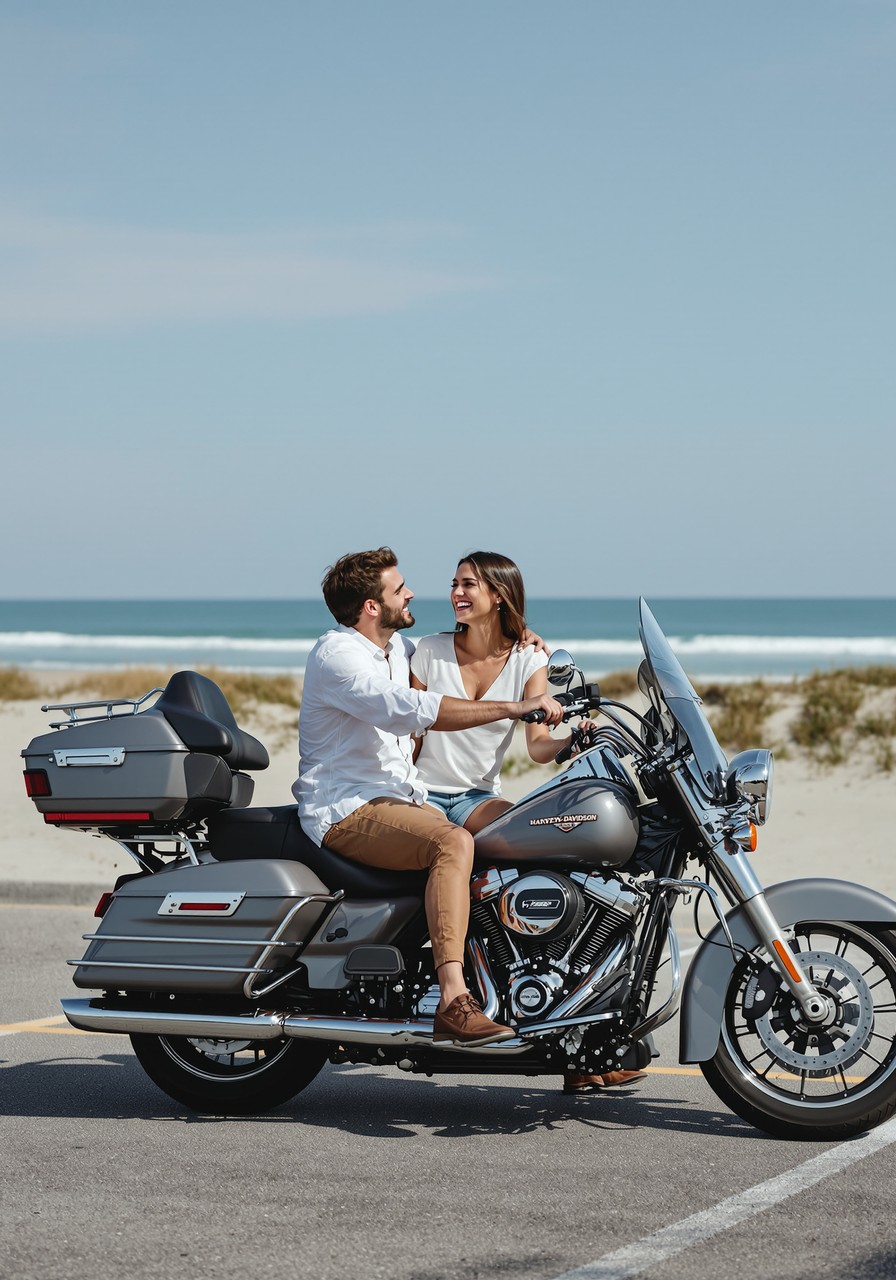
Engagement
Tag your ride-or-die, the one who never bails when the forecast turns. #RideNationNJ #RideOrDie #NewJerseyRiders
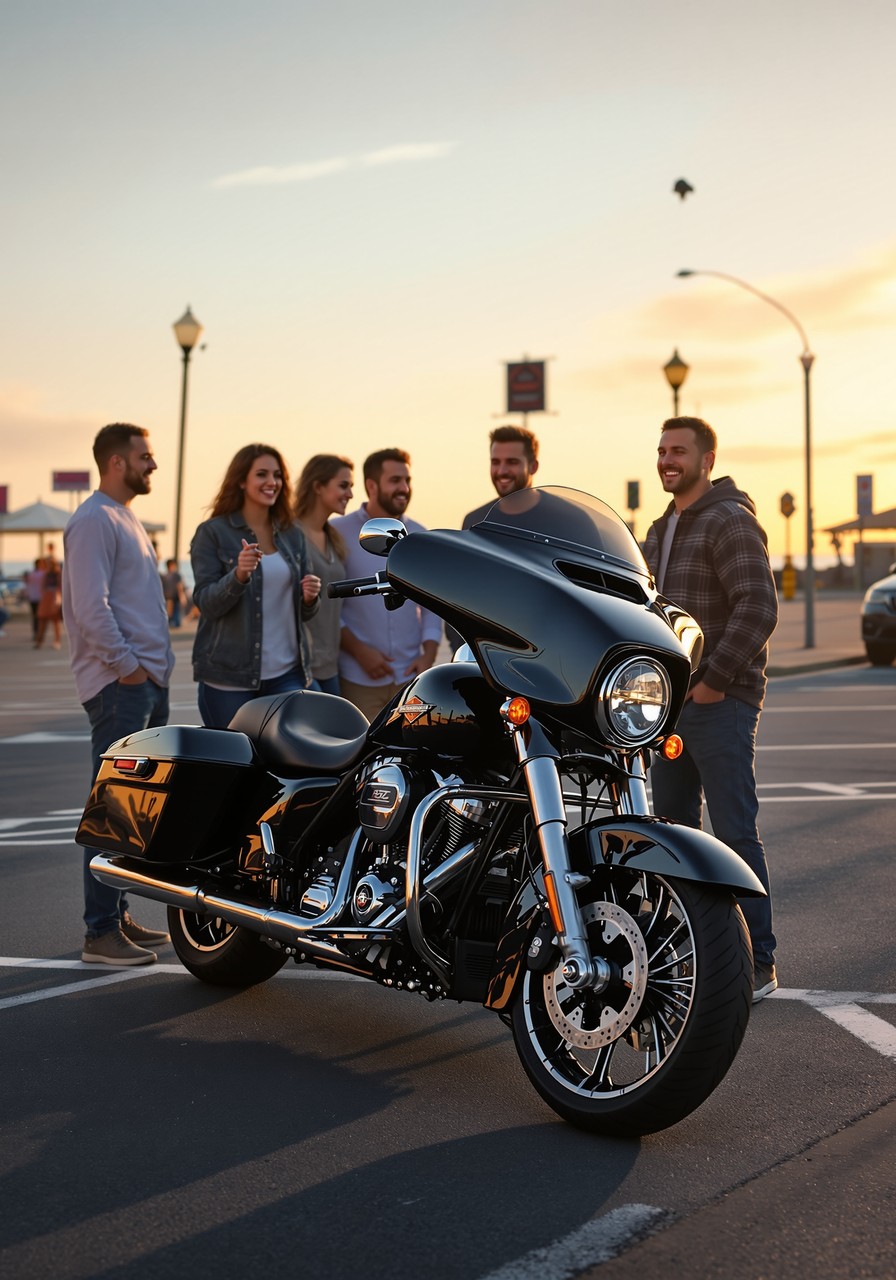
Giveaway & Countdown
Here is the deal: no purchase, no gimmick. If you have been down and talk to us about it, you are entered in the BikersWin $20,000 giveaway. Ask us at (855) 337-7062. #RideNationNJ #MotorcycleGiveaway #GardenState
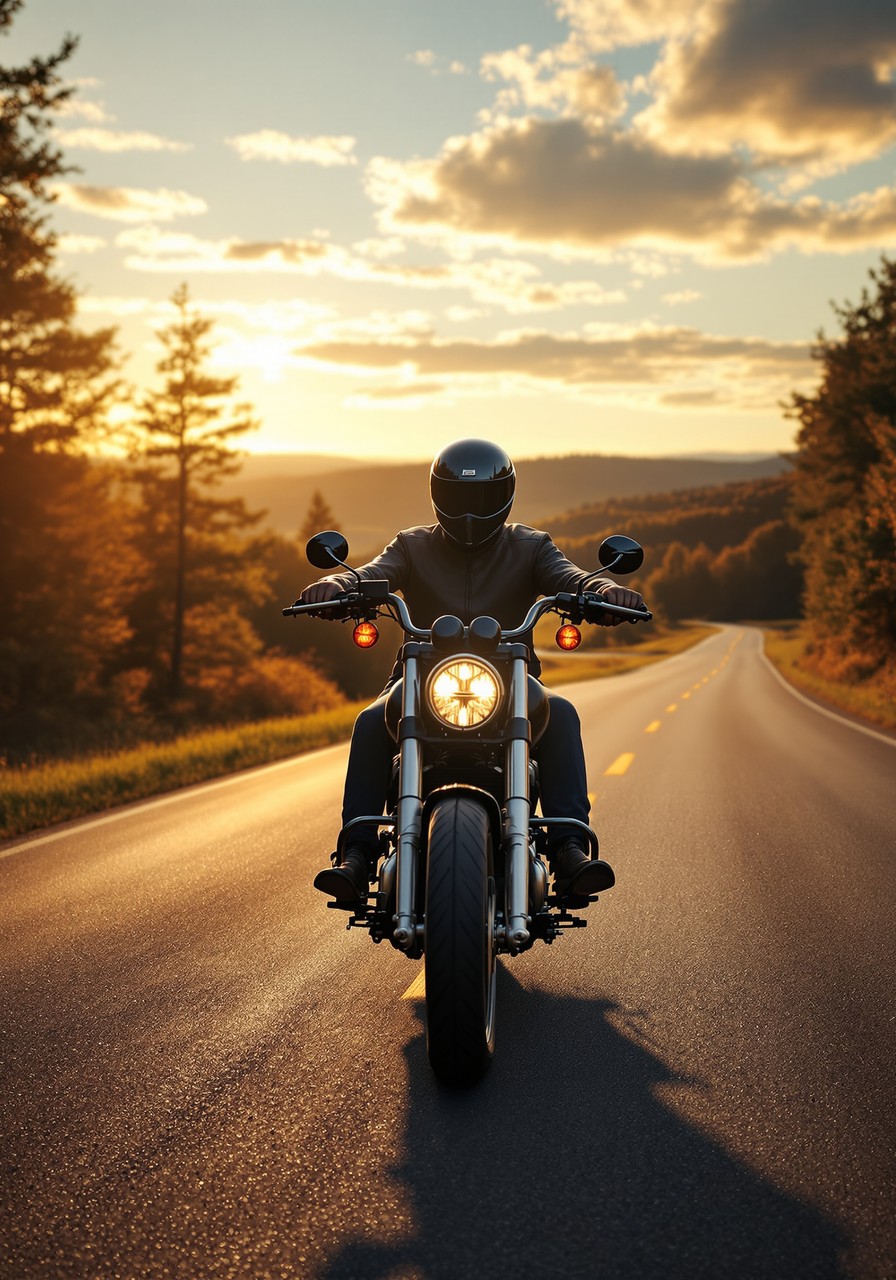
Local NJ & Rides
Round Valley Reservoir makes a clean turnaround point for a day ride. Grab a break at the overlook and head back the long way. #RideNationNJ #GardenState #NJRiders
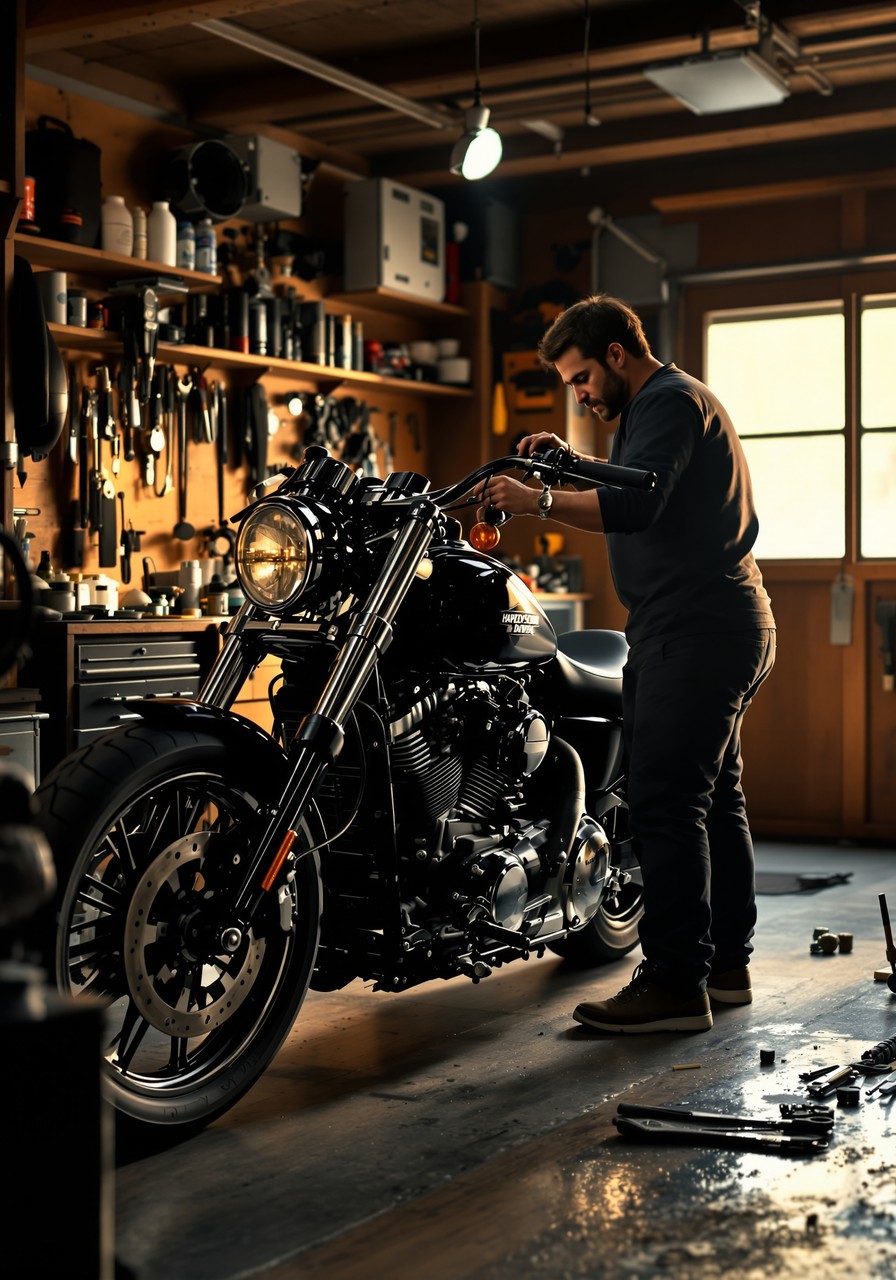
Gear & New Iron
Cheap jackets have foam pads. Real protection is CE-rated armor at the shoulders, elbows, and back. Read the label and upgrade the back insert if it came empty. #RideNationNJ #ATGATT #GearUp
Safety & NJ Law
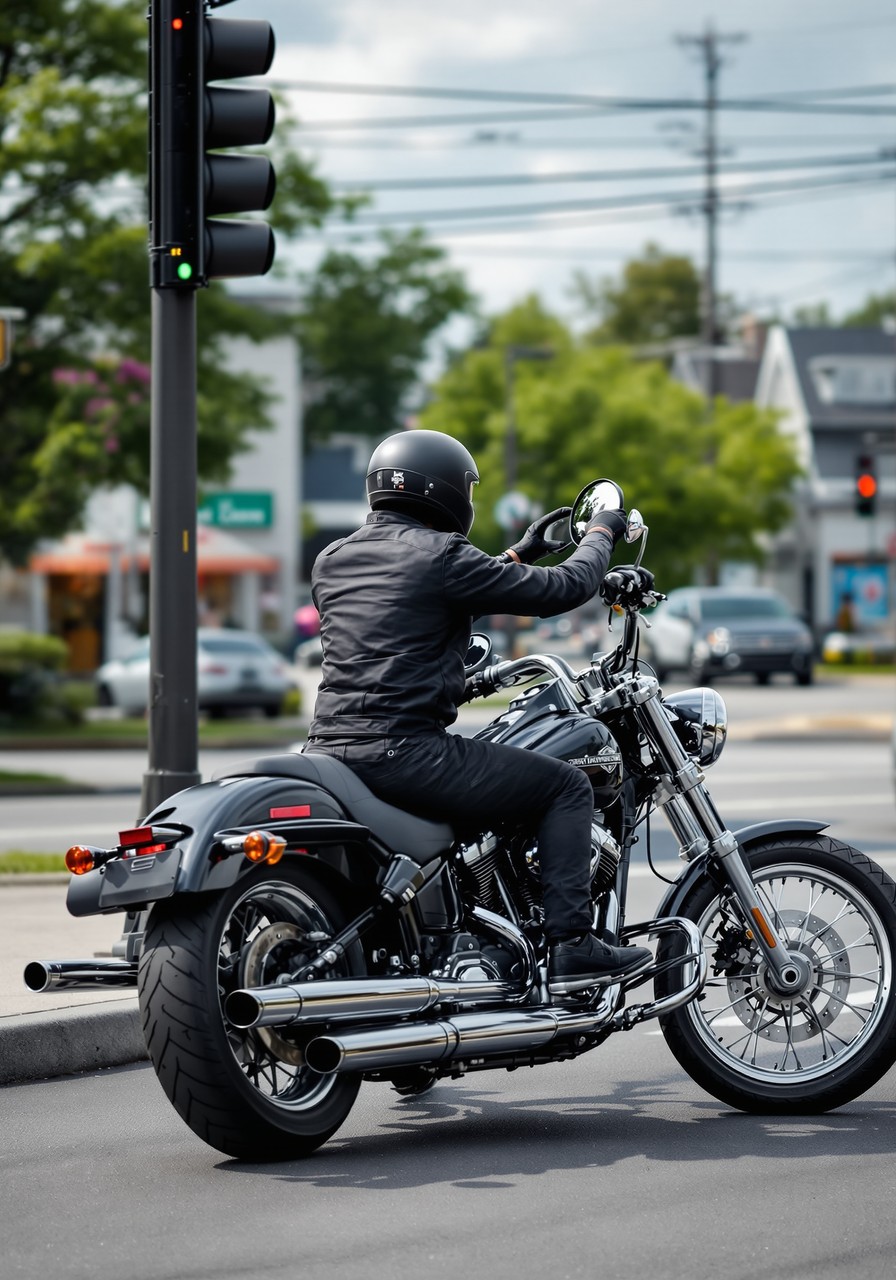
New Jersey helmet law is universal. Every rider and every passenger wears a DOT helmet, no exceptions, no age loopholes. Make sure your passenger is covered before you roll. #RideNationNJ #MotorcycleSafety #ATGATT
Engagement
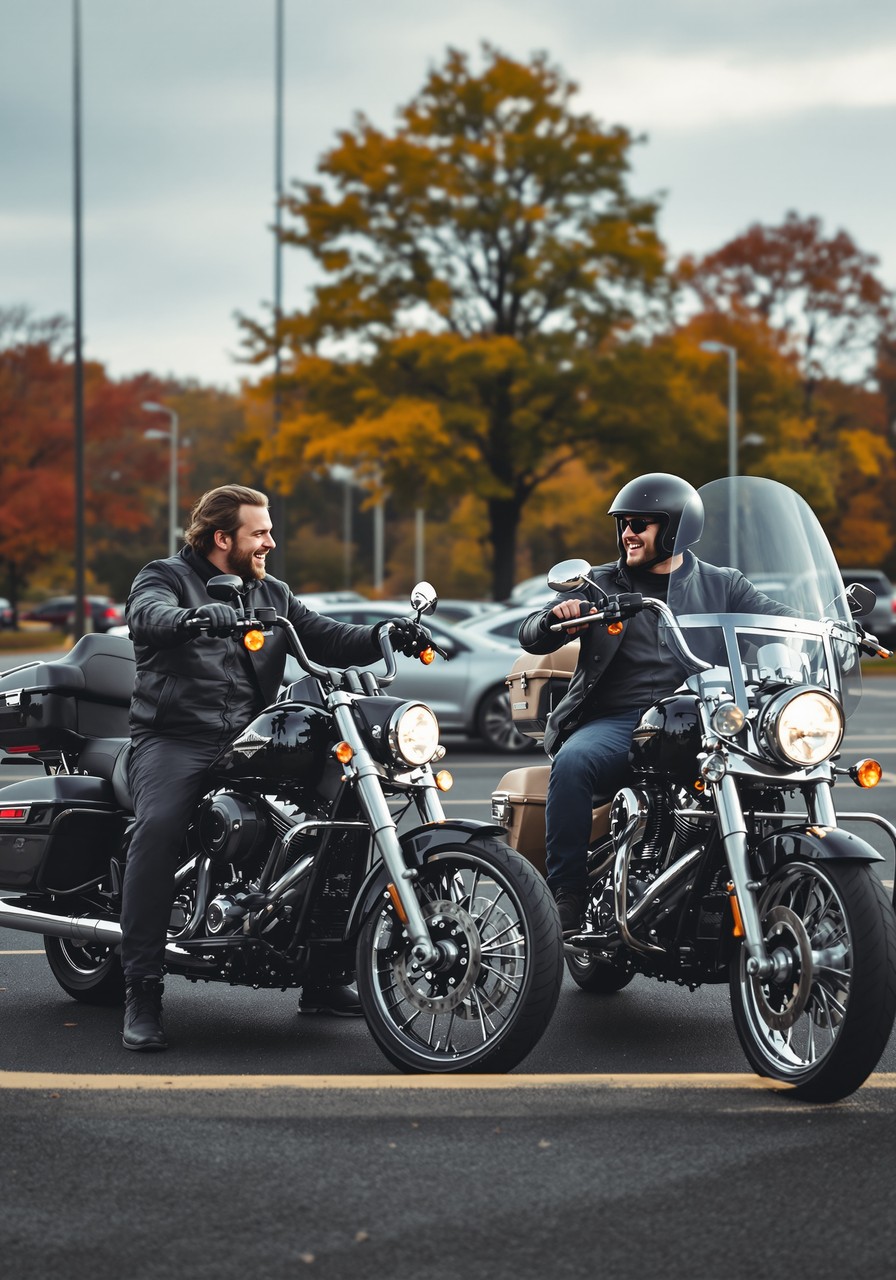
Quick poll: winter layup or ride every dry day you can steal? Drop your answer below. #RideNationNJ #GardenState #TwoWheels
Giveaway & Countdown
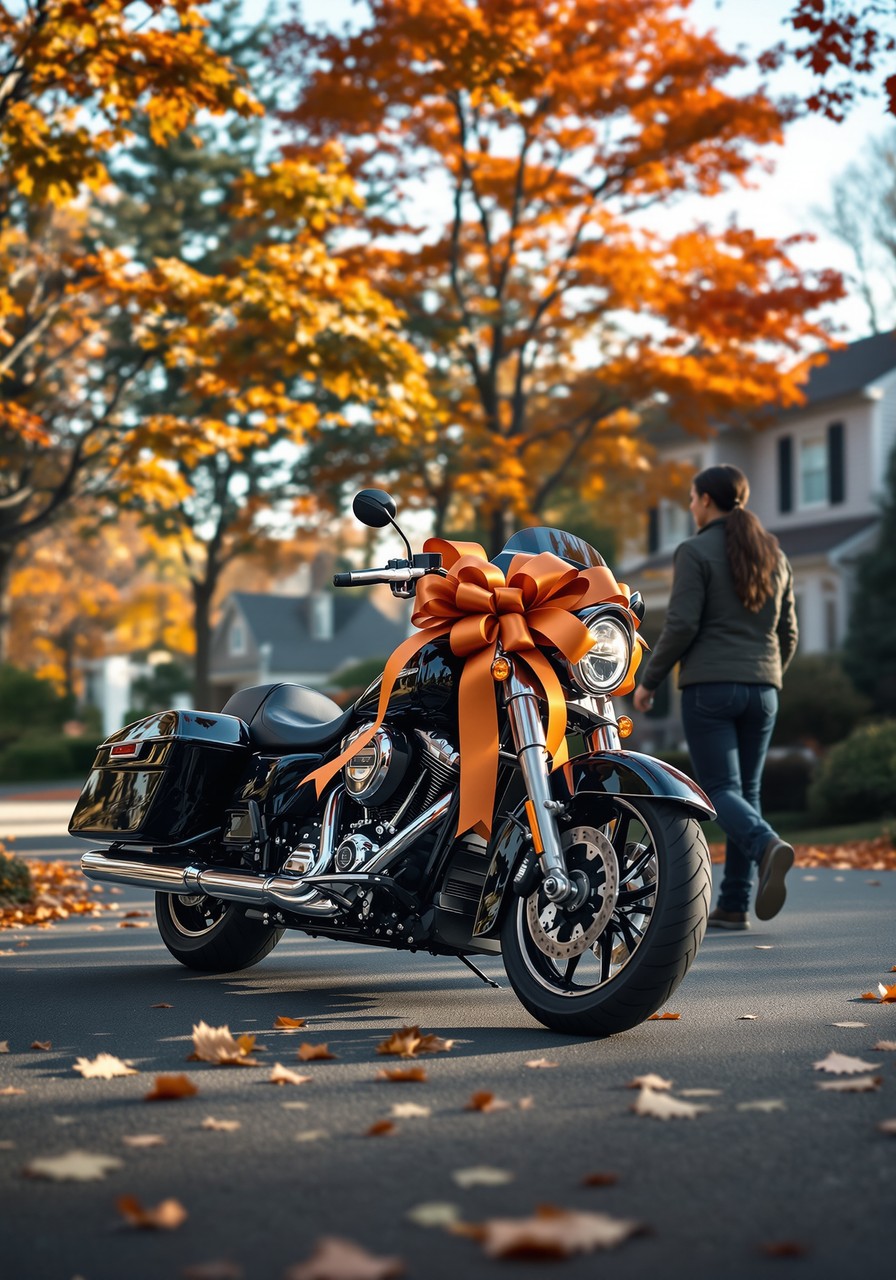
Tag a riding buddy who would lose their mind over a $20,000 win. Get them in the loop before the clock runs out. #RideNationNJ #BikersWin #NJRiders
Local NJ & Rides
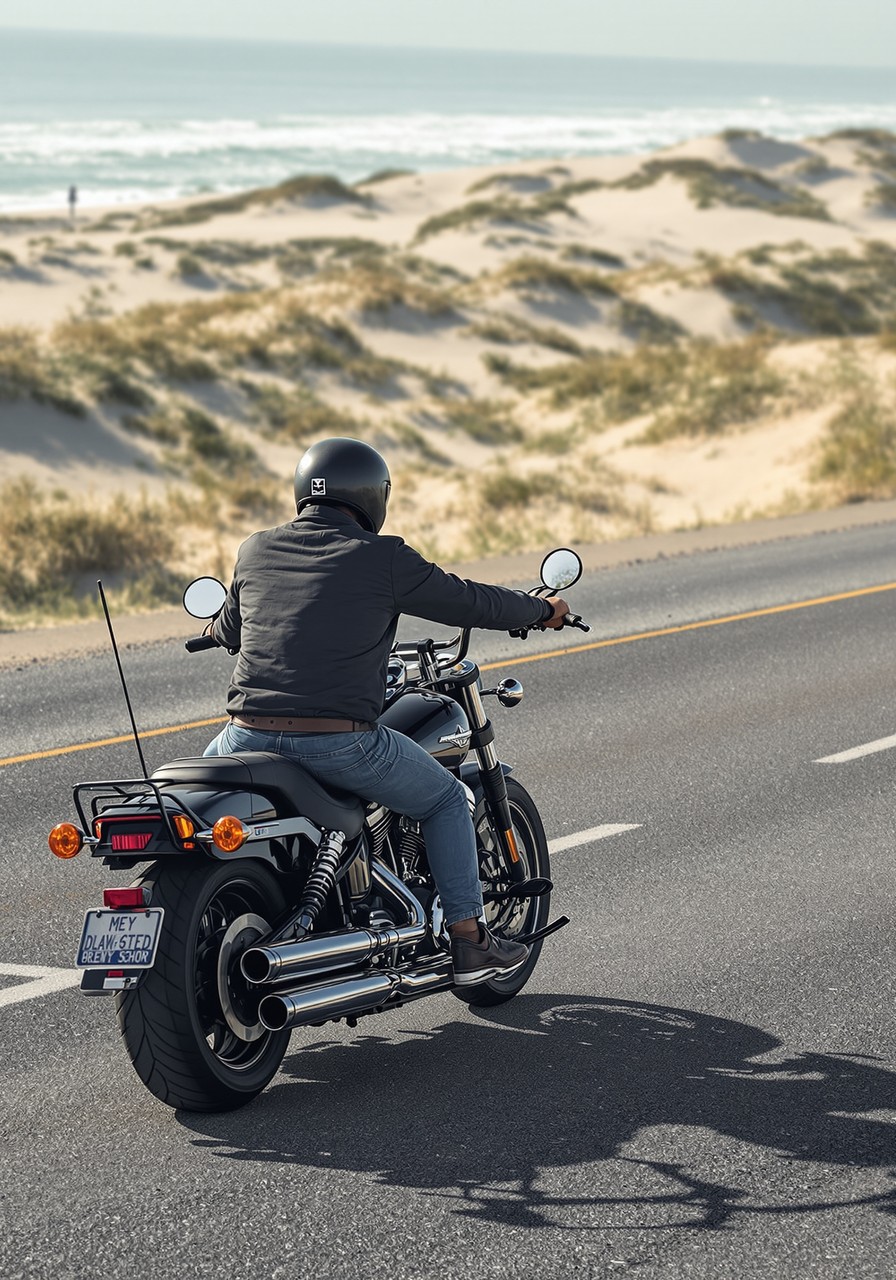
Route 72 through the Pine Barrens runs straight, flat and open. Watch for sand blown across the lanes after a windy stretch. #RideNationNJ #PineBarrens #NewJerseyRiders
Gear & New Iron
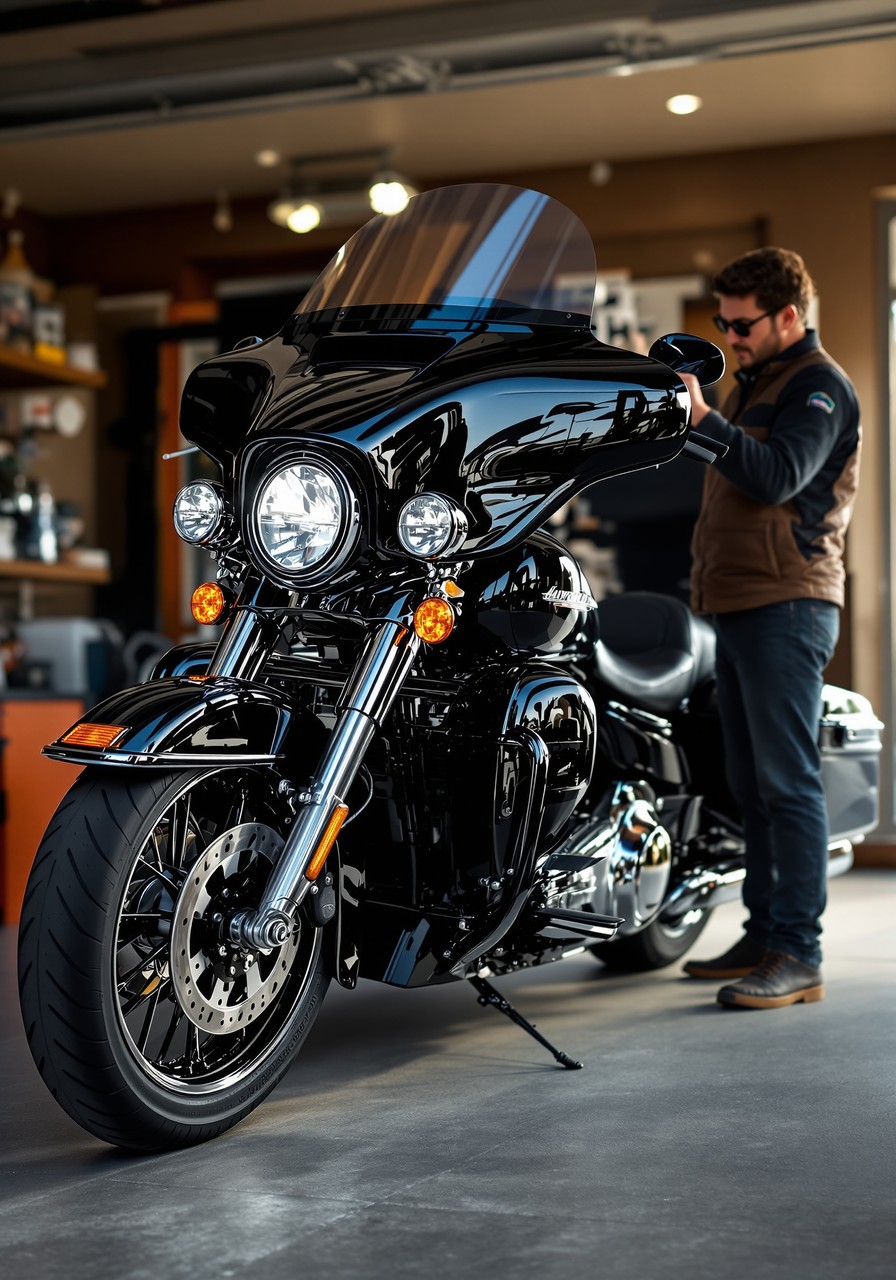
ATGATT is not a slogan, it is a Tuesday. Full gear on the short ride too, because most spills happen close to home at low speed. #RideNationNJ #ATGATT #RiderTips
Safety & NJ Law
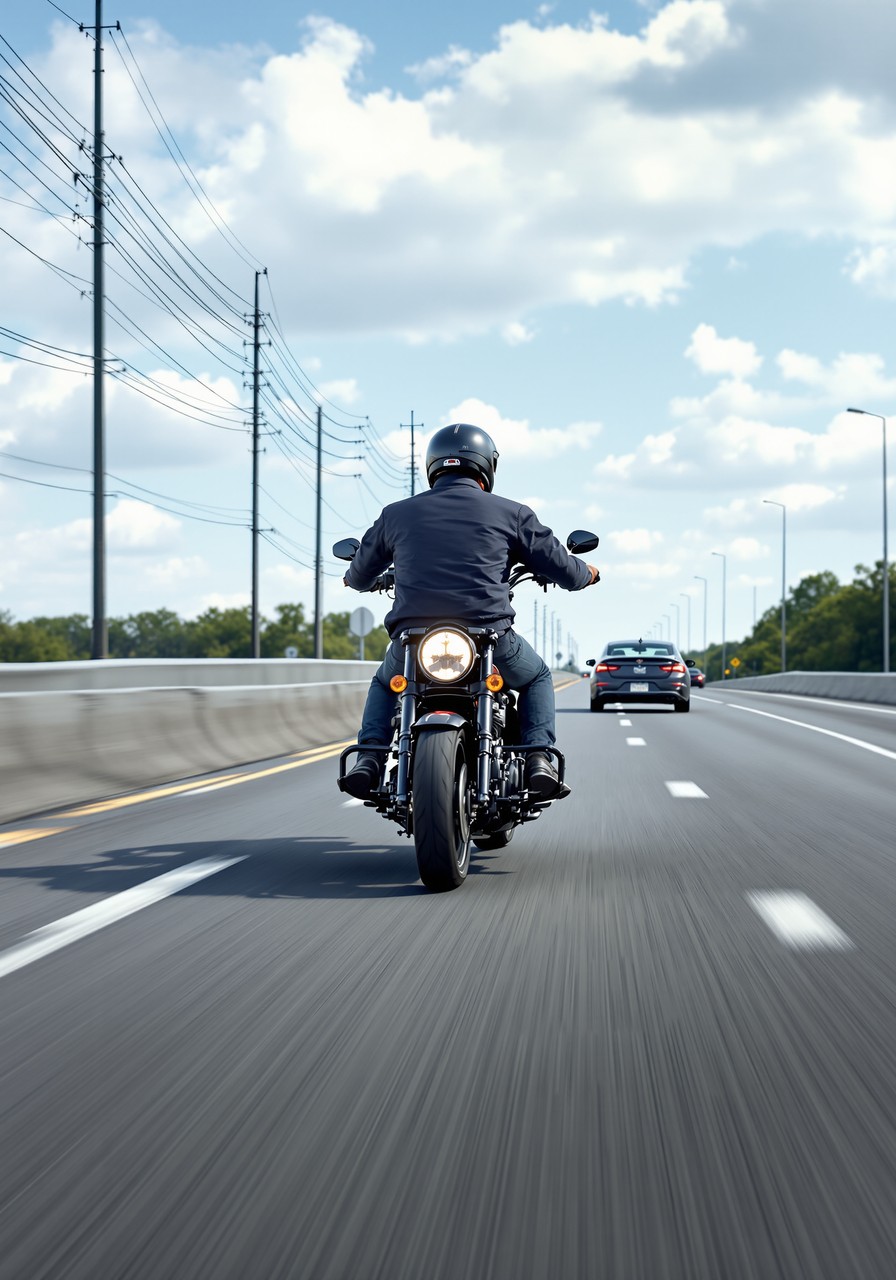
New Jersey follows modified comparative negligence with a 51 percent bar. If you are more than half at fault you recover nothing, and below that your recovery drops by your share. The details matter. Talk it through with Garces, Grabler & LeBrocq at (855) 337-7062. #RideNationNJ #KnowYourRights #NJRiders
Engagement
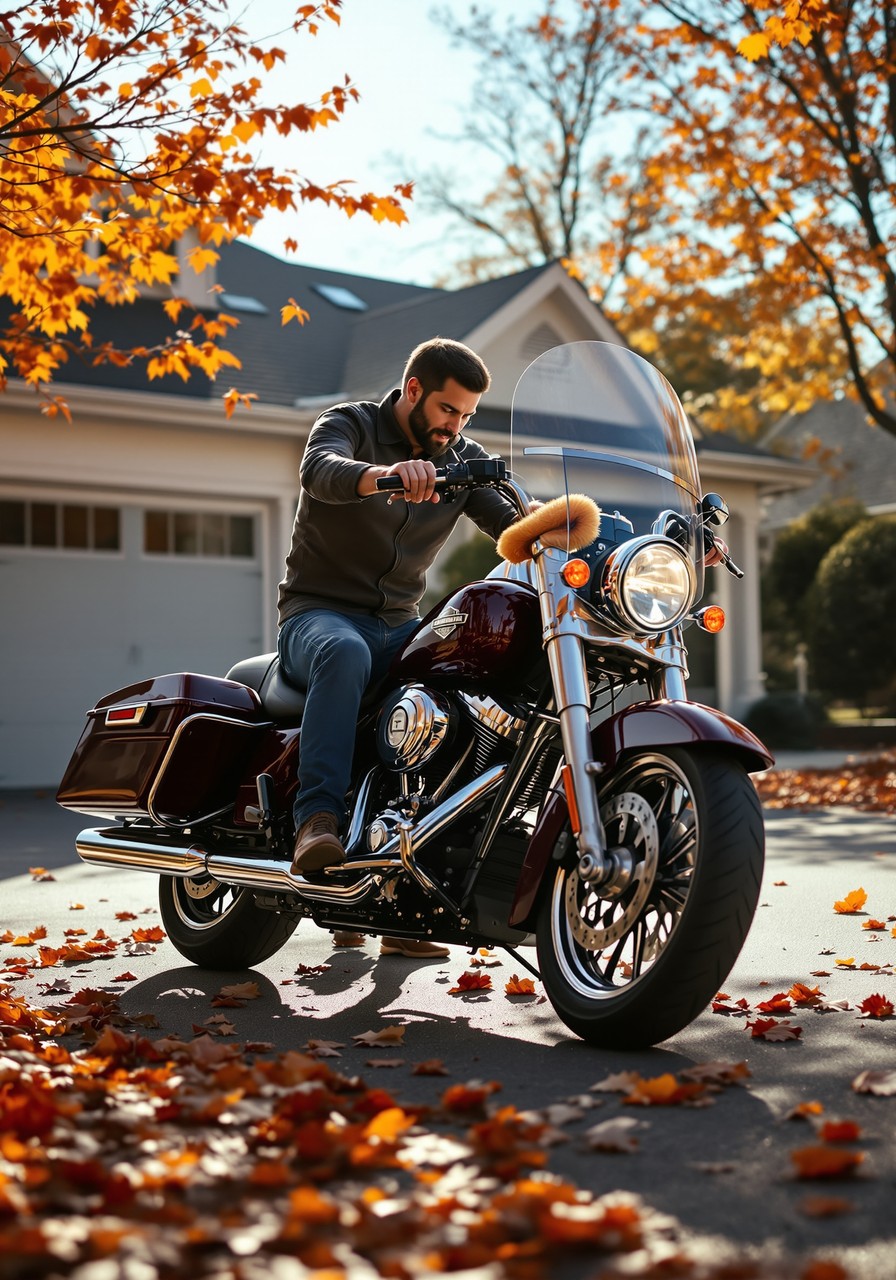
Two roads, one weekend: the Pine Barrens back routes or High Point at the top of the state. Which one calls you? #RideNationNJ #PineBarrens #NJRiders
Giveaway & Countdown
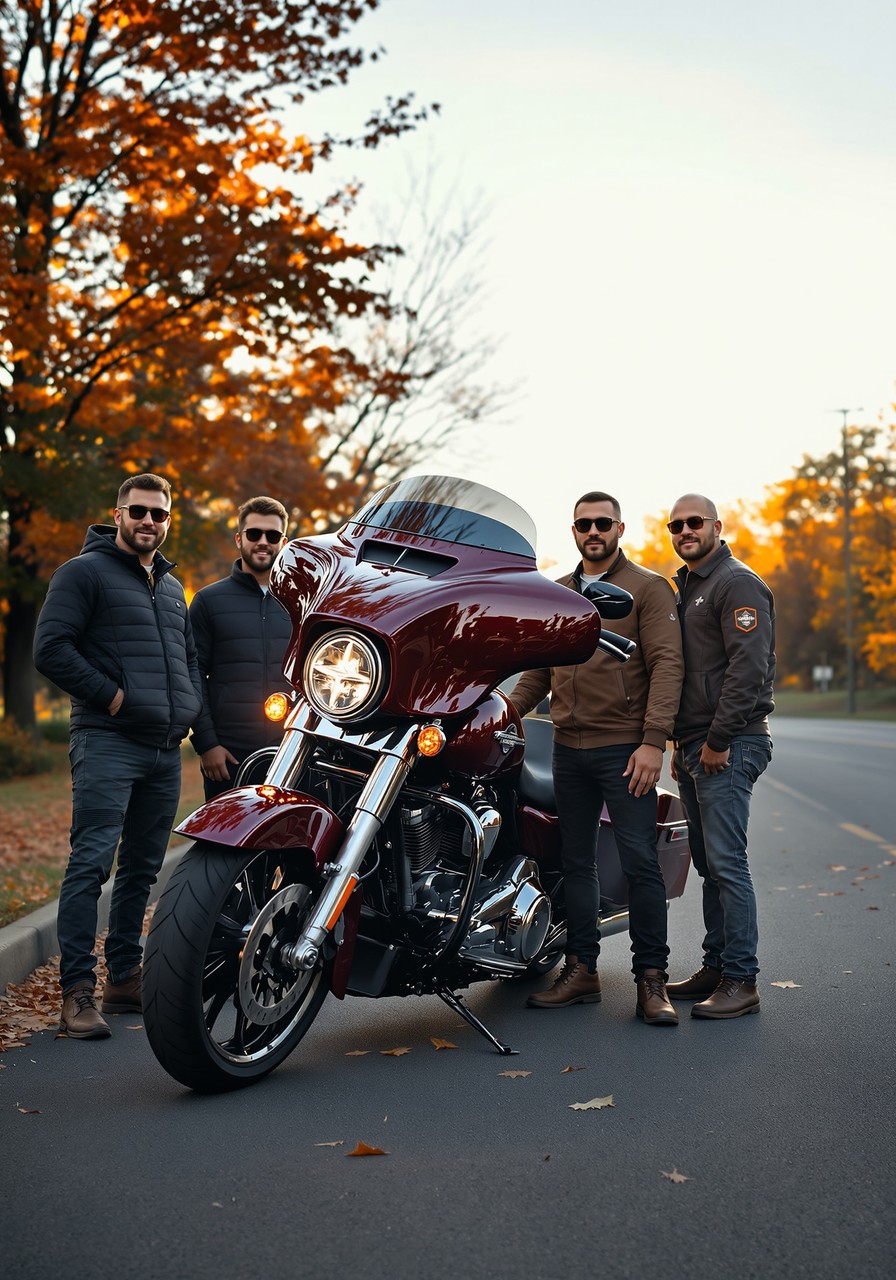
Free to enter, always. A conversation with Garces, Grabler & LeBrocq about your crash puts you in the BikersWin $20,000 giveaway. Start at (855) 337-7062. #RideNationNJ #20kGiveaway #NewJerseyRiders
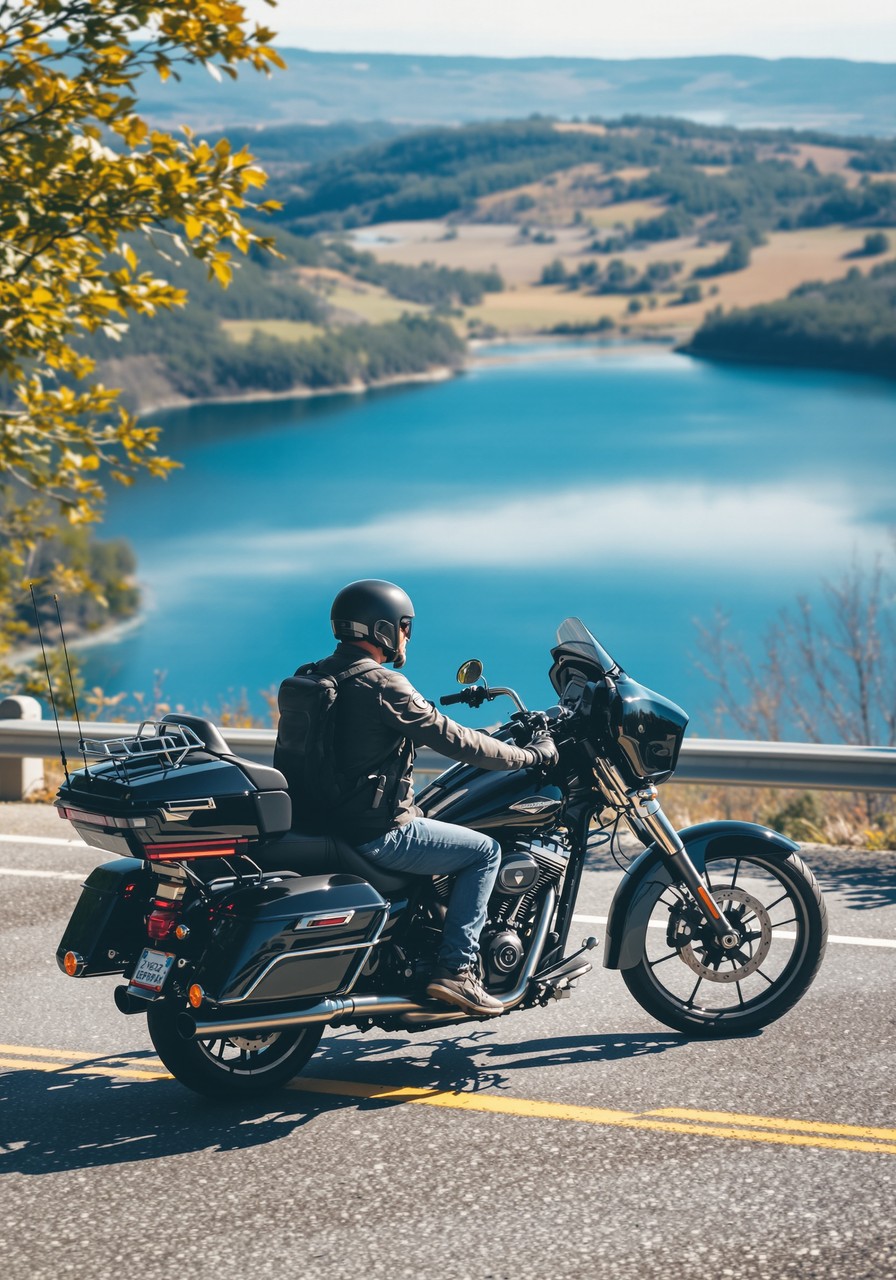
Local NJ & Rides
Long Beach Island is a summer ritual. Roll down early, beat the beach traffic, and take Route 72 home before dusk. #RideNationNJ #JerseyShore #NJRiders
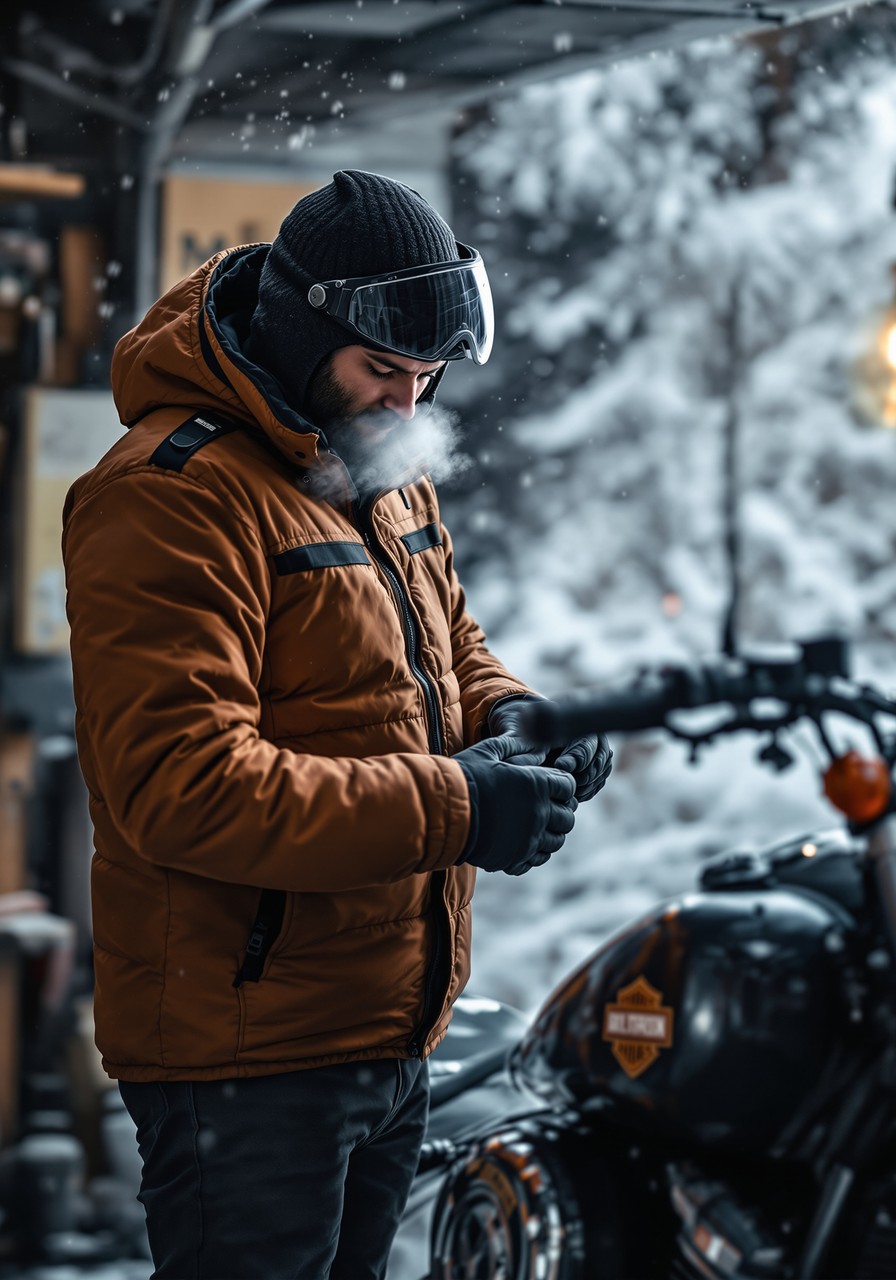
Gear & New Iron
Gloves are the first thing down in a slide and the first thing you throw out to catch yourself. Get a pair with knuckle armor and a real palm slider. #RideNationNJ #GearUp #ATGATT
Safety & NJ Law
In New Jersey you generally have two years to file a motorcycle injury claim. That window closes faster than you think while you are healing. Do not let it run out. #RideNationNJ #RiderRights #NewJerseyRiders
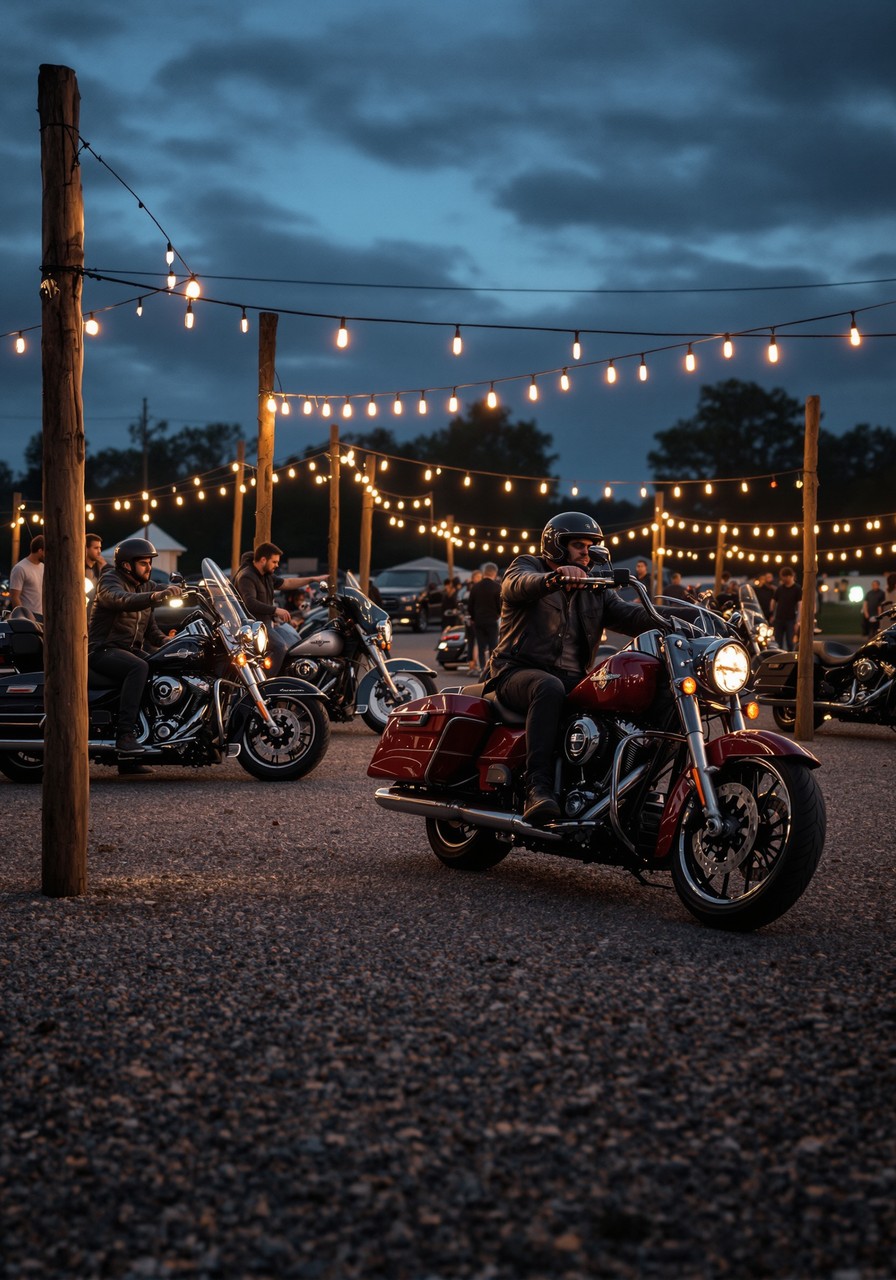
Engagement
Fill in the blank: you are not a real Jersey rider until you have ______. #RideNationNJ #GardenState #NewJerseyRiders
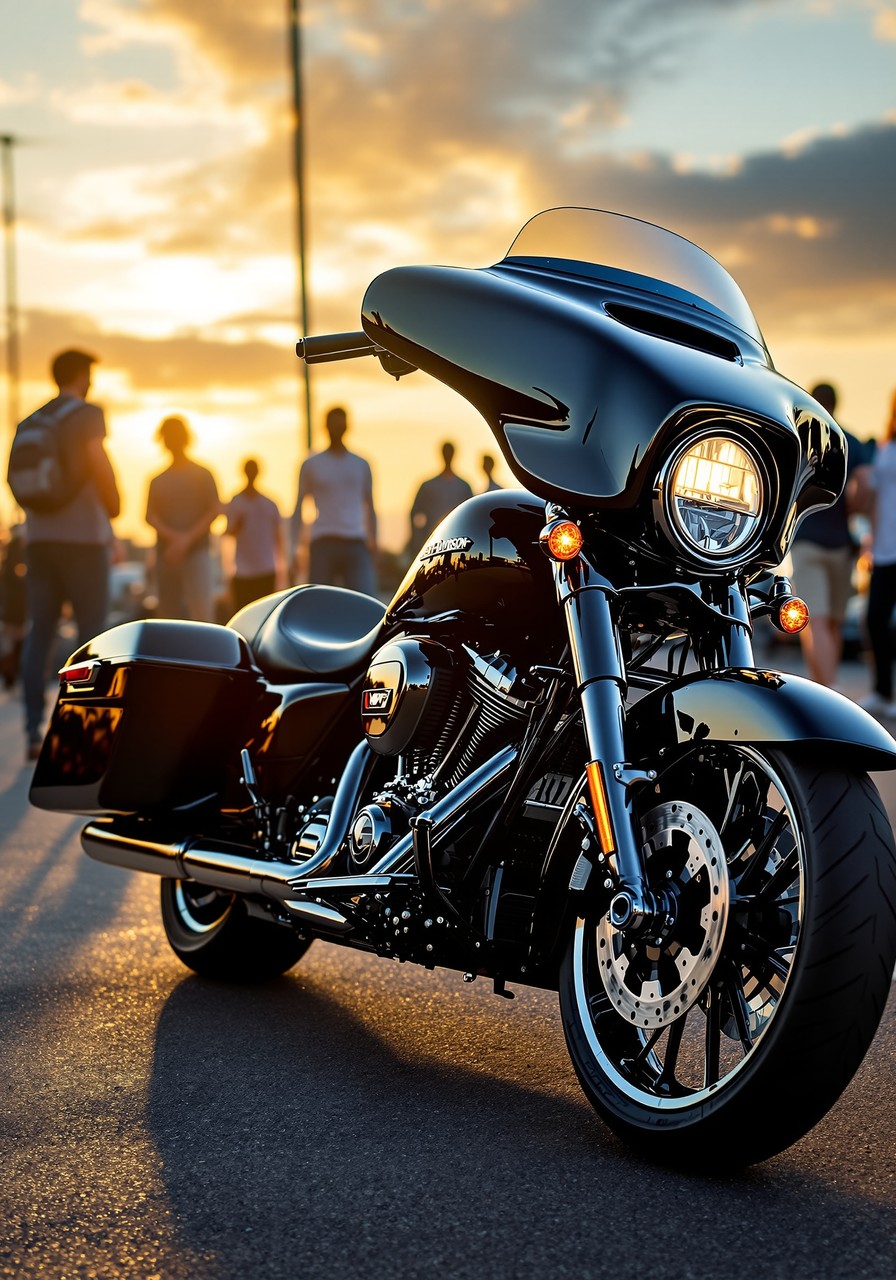
Giveaway & Countdown
The countdown clock is ticking, Ride Nation. Twenty grand is on the line and your crew deserves a shot too. #RideNationNJ #MotorcycleGiveaway #GardenState
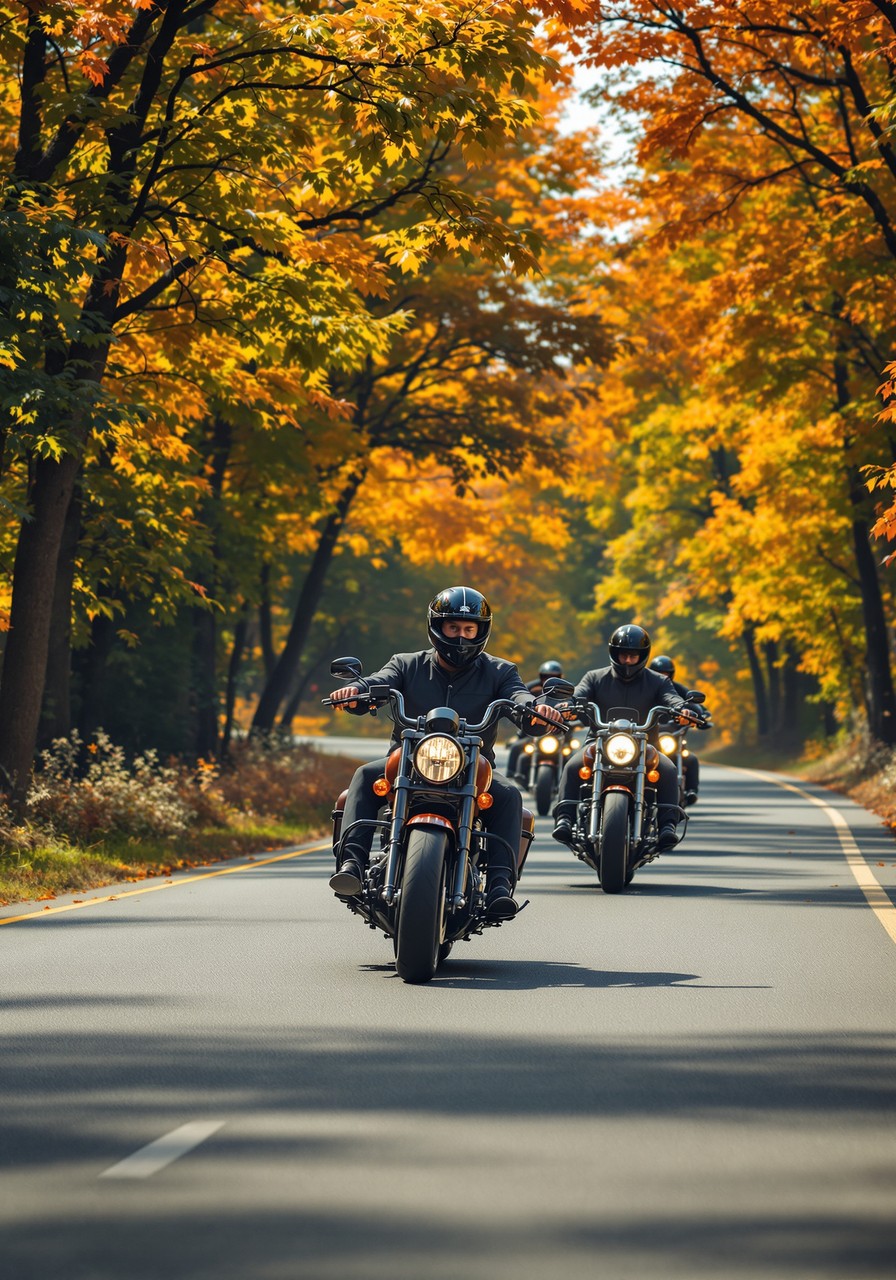
Local NJ & Rides
Sandy Hook gives you ocean on both sides and an easy flat cruise. Great first ride of the season when your legs are still rusty. #RideNationNJ #JerseyShore #NewJerseyRiders
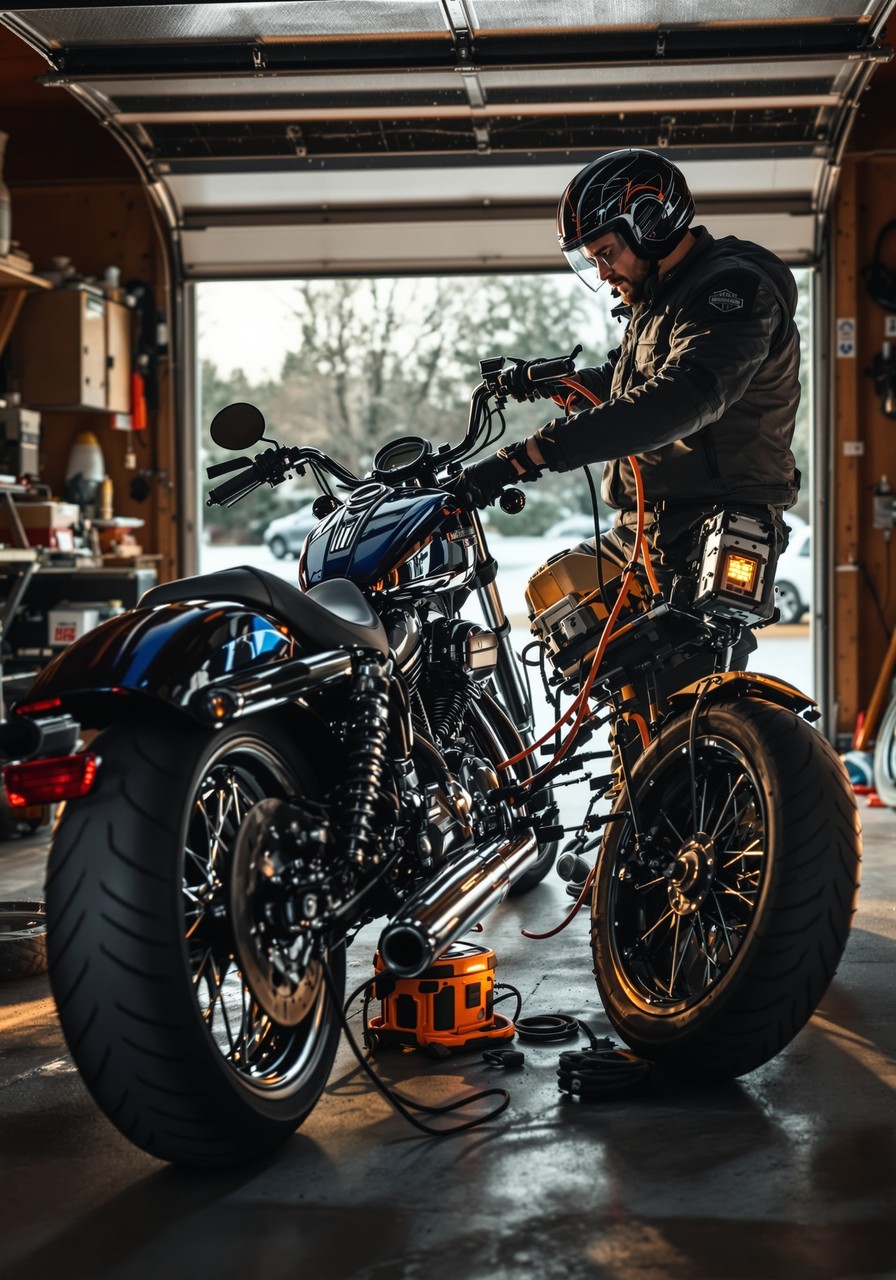
Gear & New Iron
Cold hands mean slow hands on the levers. A pair of winter gloves or heated grips keeps your inputs sharp when Jersey air bites. #RideNationNJ #ColdWeatherRiding #GearUp
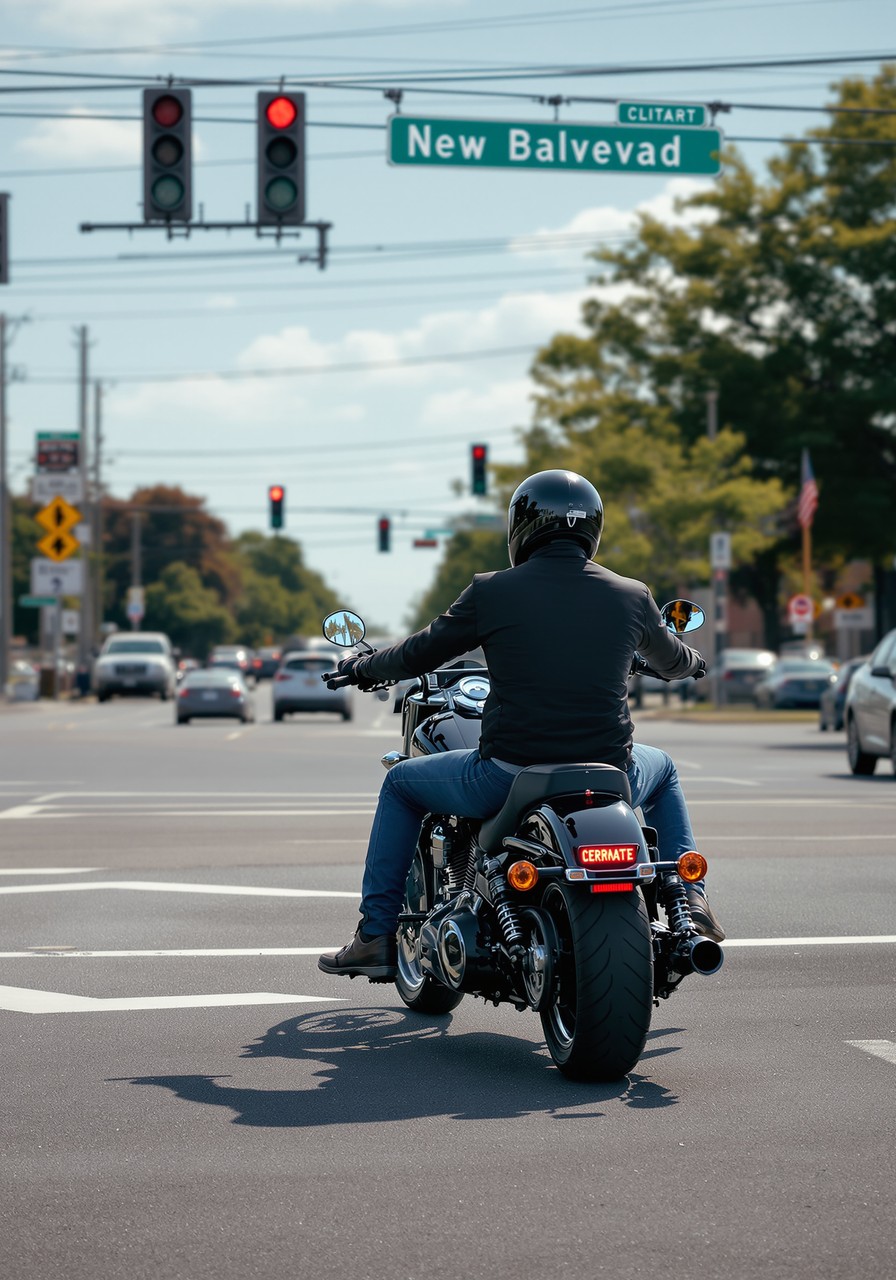
Safety & NJ Law
If a public entity had a hand in your New Jersey crash, a bad road or a government vehicle, a Tort Claims Act notice is due within 90 days. Miss it and the claim can be gone. Not sure if it applies? Call (855) 337-7062. #RideNationNJ #KnowYourRights #NJRiders
Engagement
Coffee first or miles first? Tell us how your ride day actually starts. #RideNationNJ #NJRiders #TwoWheels
Giveaway & Countdown
Never entered a giveaway this big? It is easier than you think. Talk to us about your wreck, free, and you are in. Call (855) 337-7062. #RideNationNJ #BikersWin #NJRiders
Local NJ & Rides
Ringwood State Park sits in the top corner of the state and rewards the drive up. Twisty approach roads, quiet lots, big trees. #RideNationNJ #NJRiders #MotorcycleRoads
Gear & New Iron
Riding boots over the ankle beat sneakers every time. They protect the joint that hits the ground first and keep your foot on the peg. #RideNationNJ #ATGATT #RiderTips
Safety & NJ Law
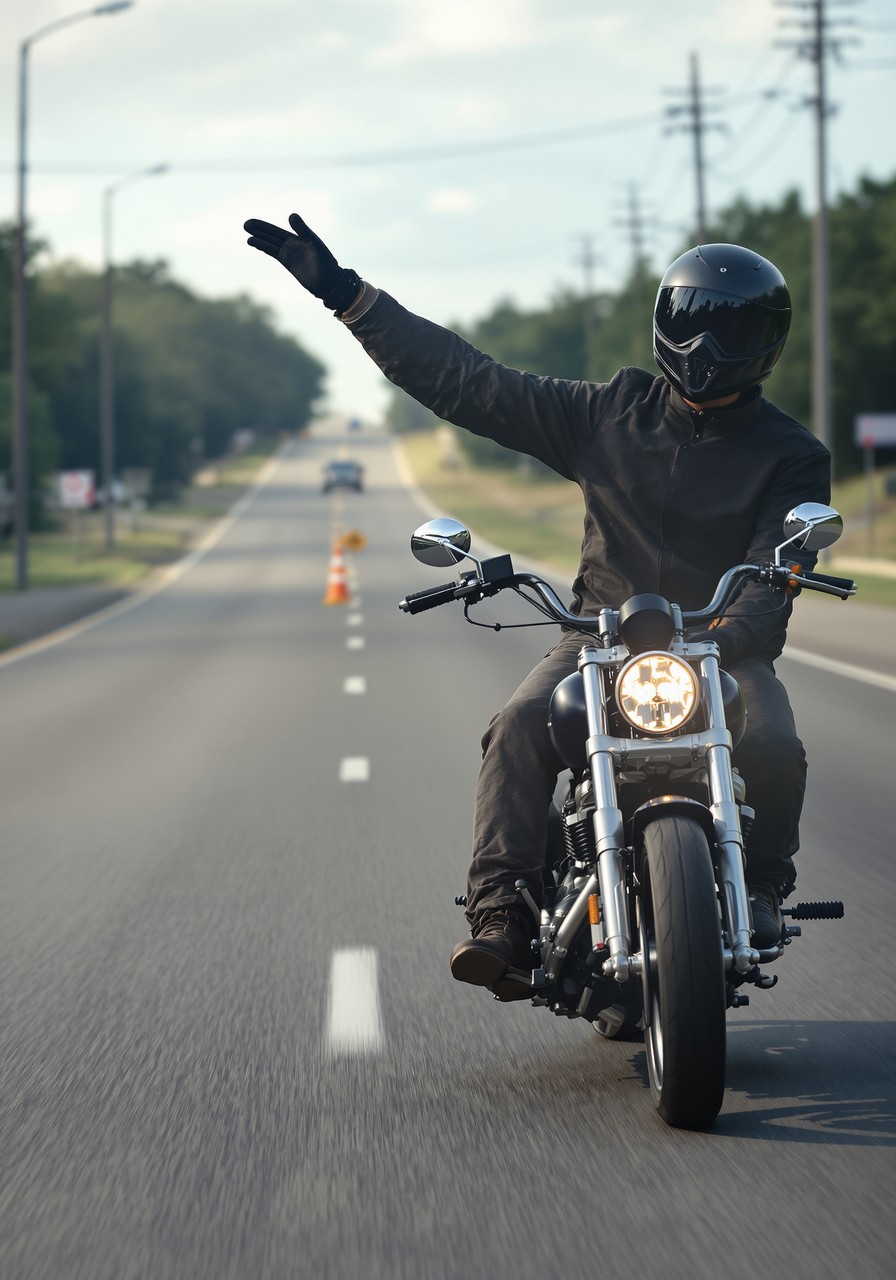
Black ice loves the bridge decks and the Skyway long after the roads look dry. In winter, treat every span and shaded overpass like glass. #RideNationNJ #MotorcycleSafety #GardenState
Engagement
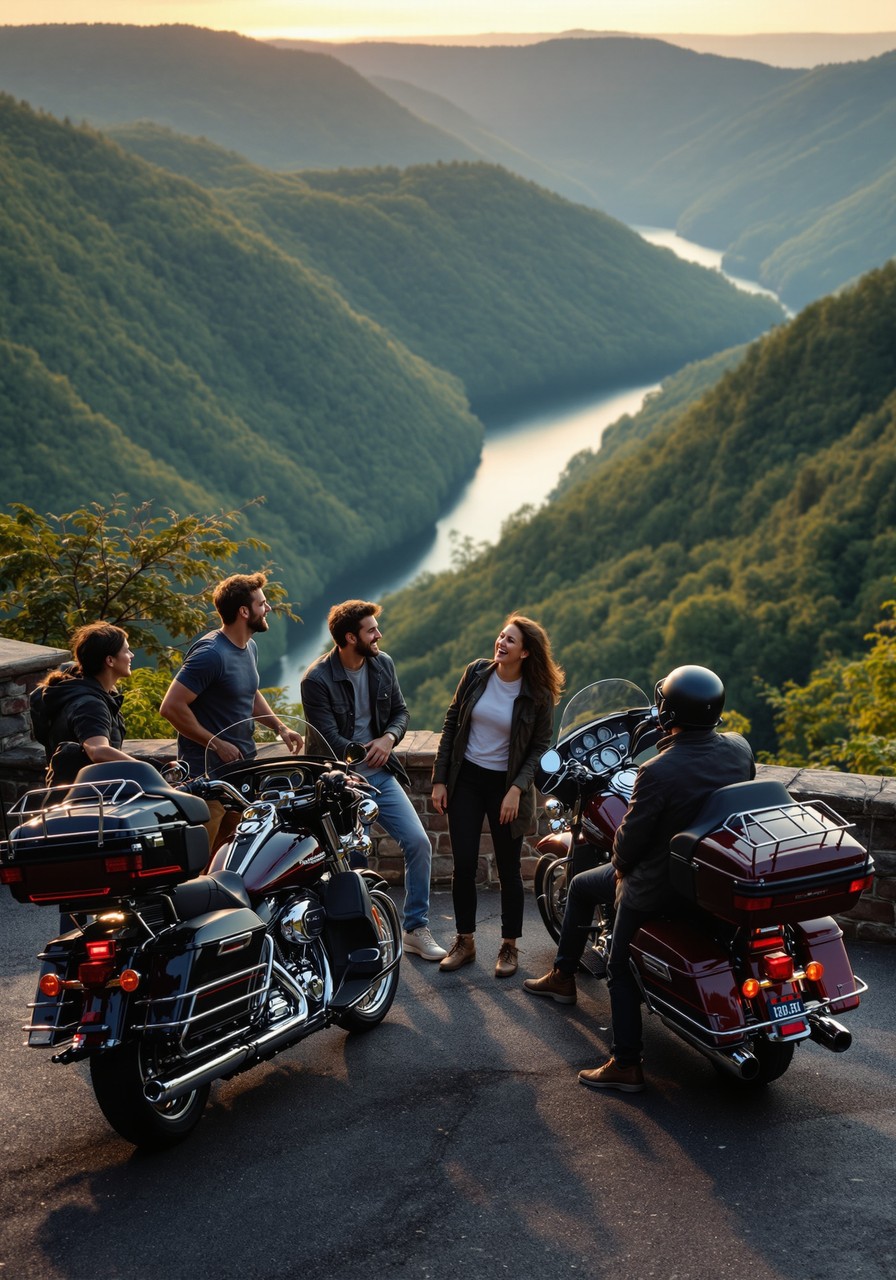
Caption this: the odometer at the end of a long Shore day, salt on the tank, sun going down. #RideNationNJ #JerseyShore #TwoWheels
Giveaway & Countdown
Twenty thousand dollars. One rider community. Zero cost to get your name in the hat. Keep watching for the next drop. #RideNationNJ #20kGiveaway #NewJerseyRiders
Local NJ & Rides
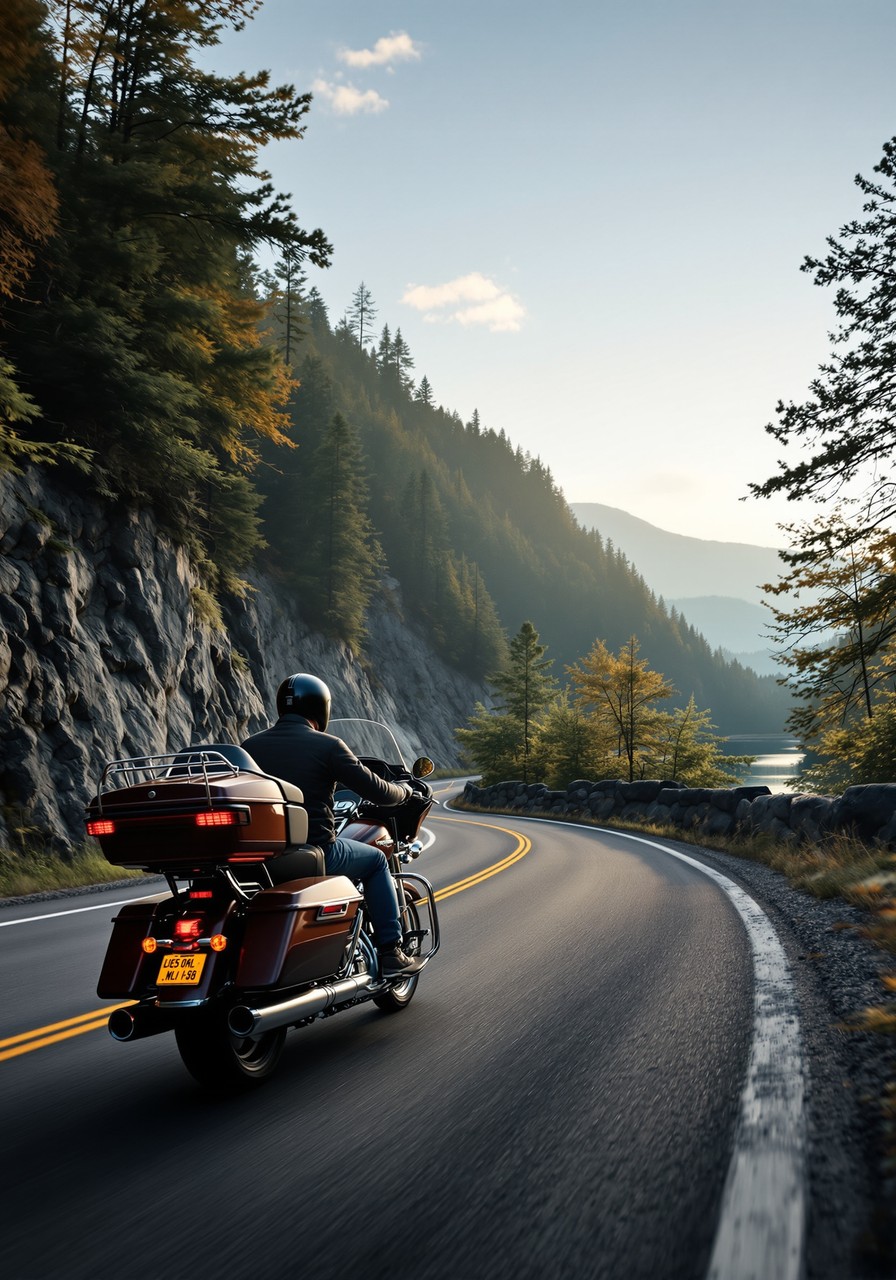
Reminder for the die-hards: the Pulaski Skyway and Turnpike bridge decks ice over before the streets do. Give them extra room on a cold morning. #RideNationNJ #NJRiders
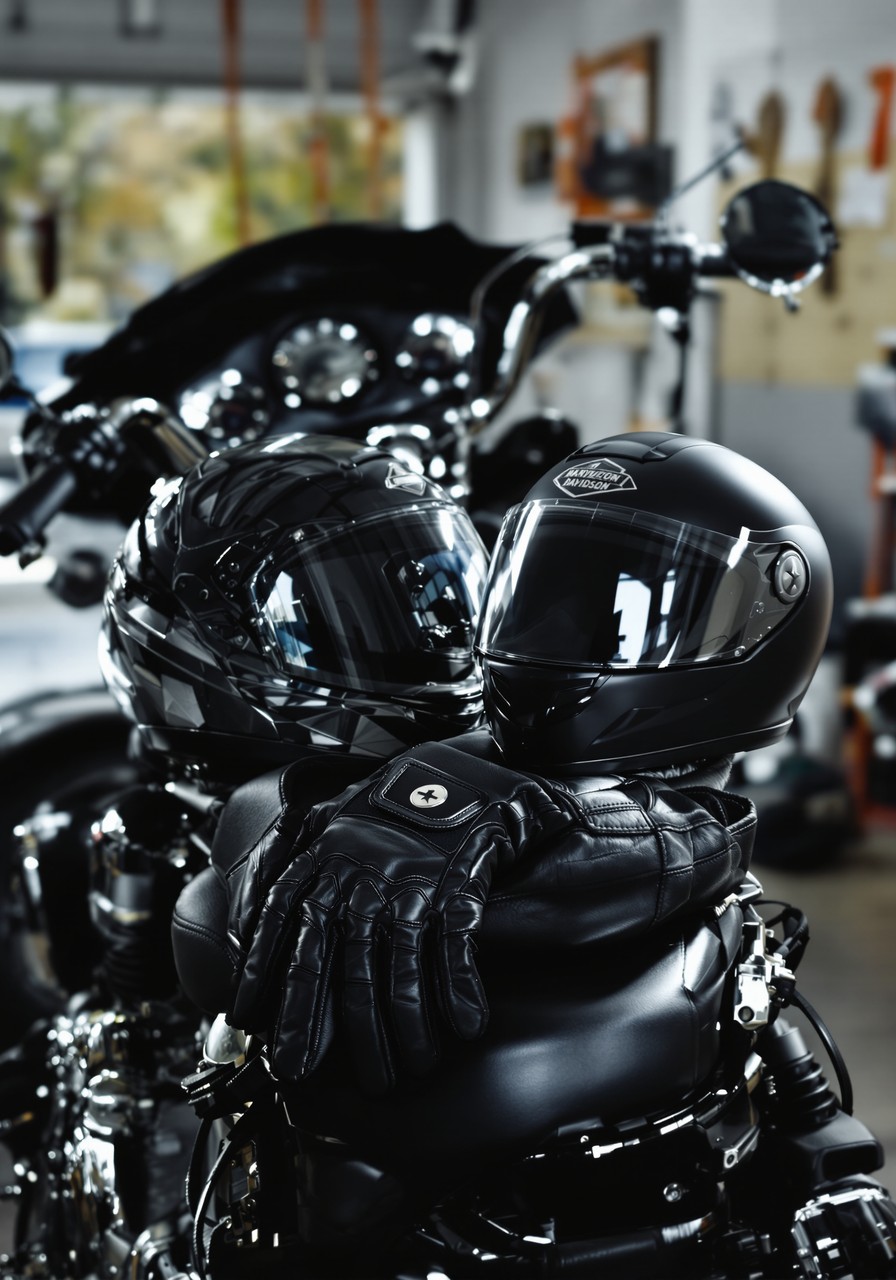
Gear & New Iron
Layer smart for a real Jersey winter: a wicking base layer, an insulating mid, then a windproof shell. Cotton under your gear holds sweat and chills you fast. #RideNationNJ #ColdWeatherRiding #GearUp
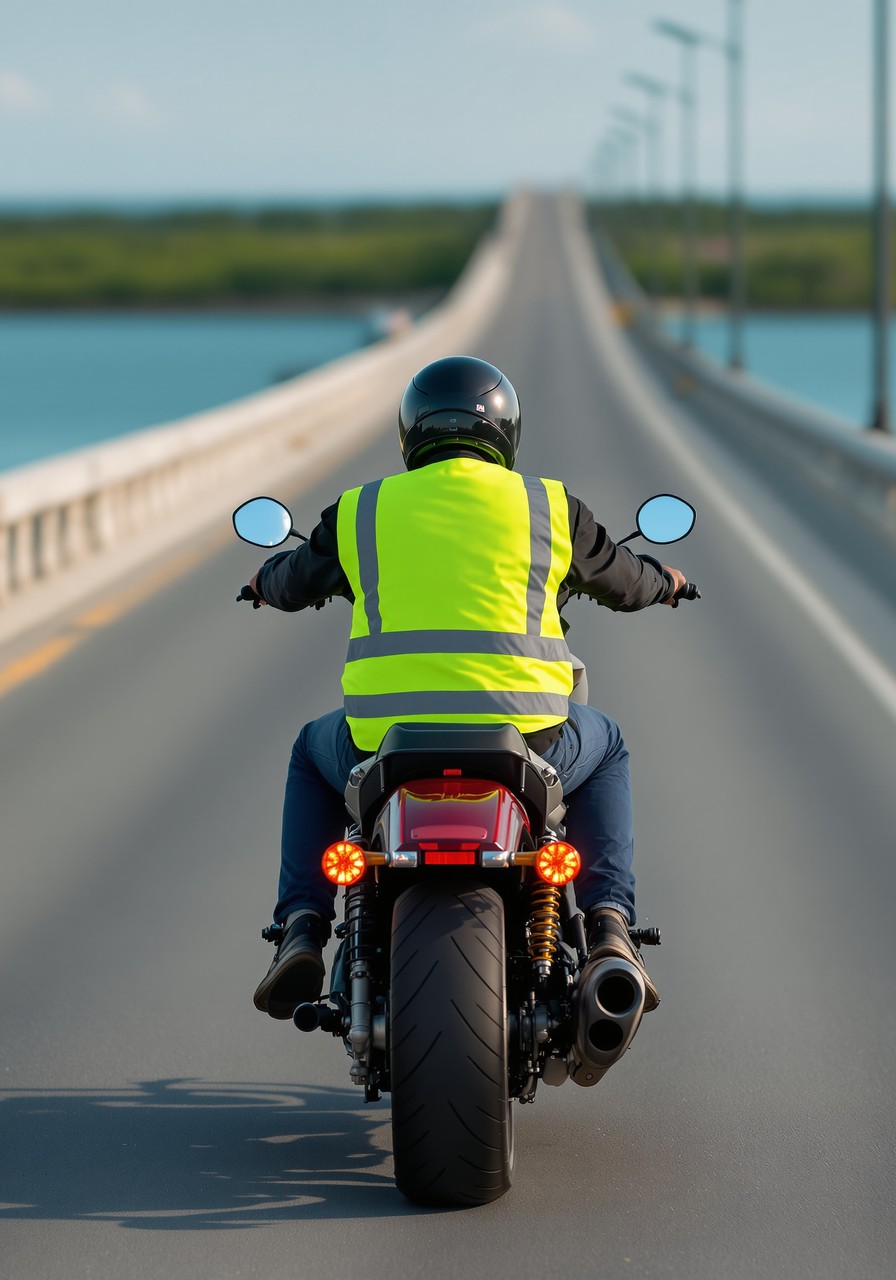
Safety & NJ Law
The most common thing a driver says after hitting a rider is I never saw the motorcycle. Ride like you are invisible, and if one of them still turns into you, call Garces, Grabler & LeBrocq at (855) 337-7062. #RideNationNJ #MotorcycleSafety #RiderRights
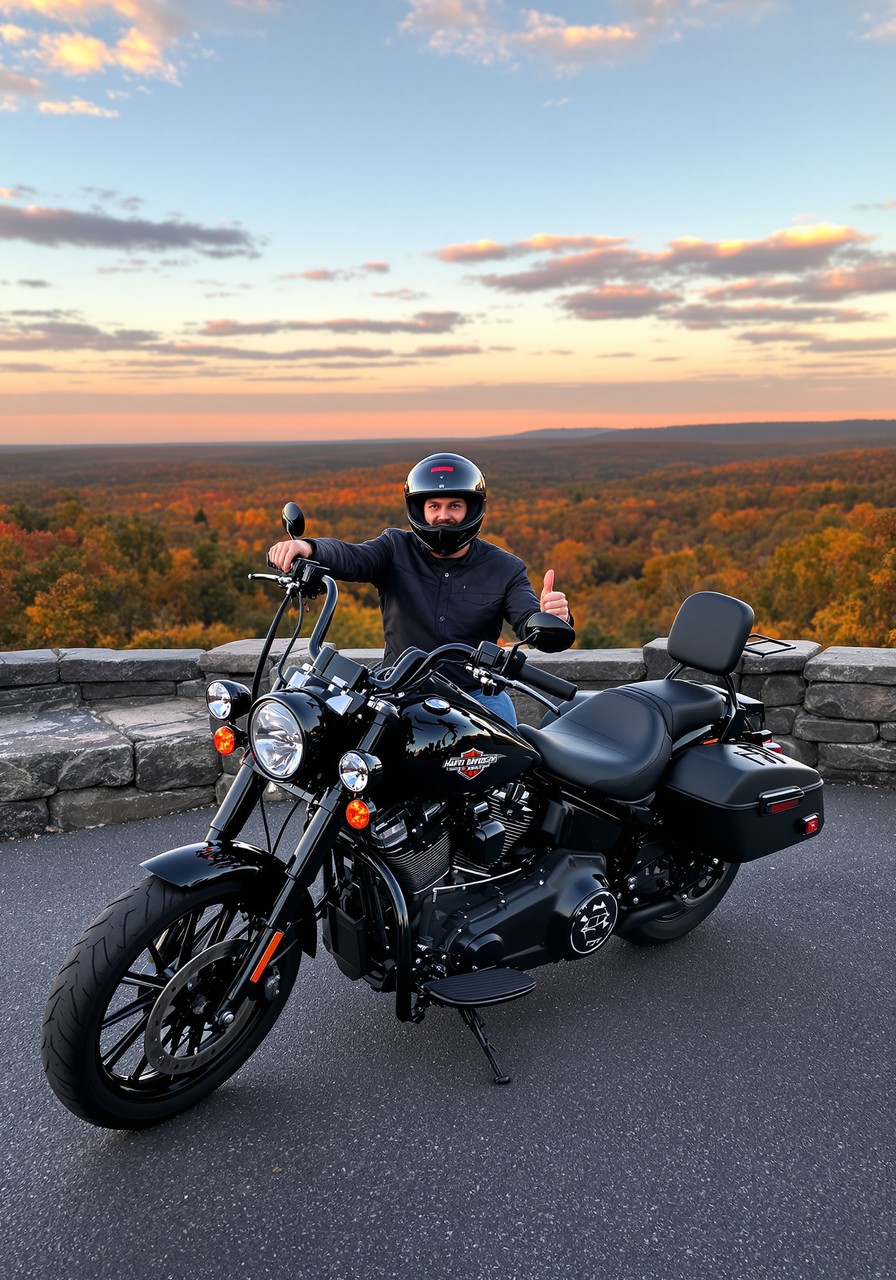
Engagement
Tag the rider who taught you something that stuck. Give them credit here. #RideNationNJ #RideOrDie #NJRiders
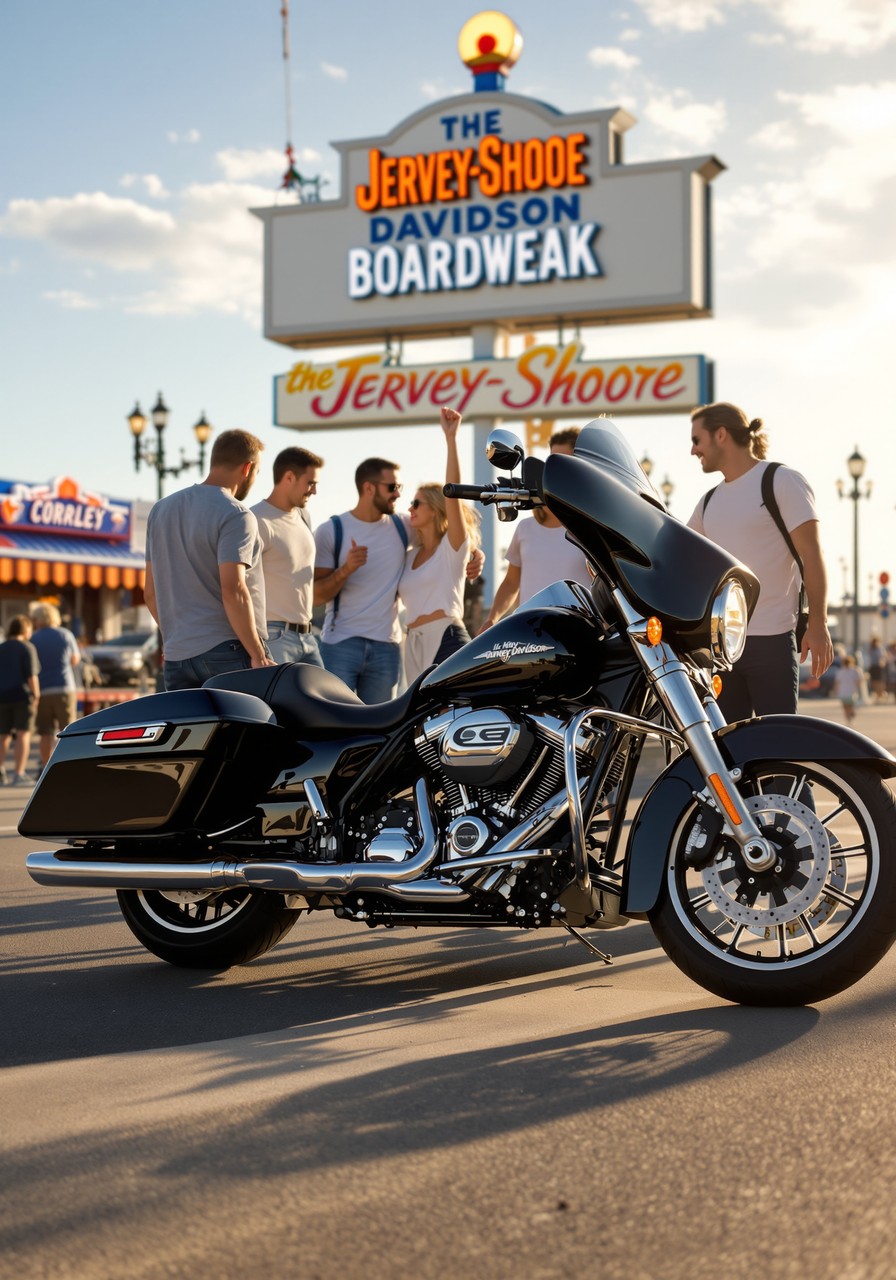
Giveaway & Countdown
Spread the word, Jersey riders. The more of us in on the BikersWin $20,000 giveaway, the bigger the energy. Share this with your crew. #RideNationNJ #MotorcycleGiveaway #NJRiders
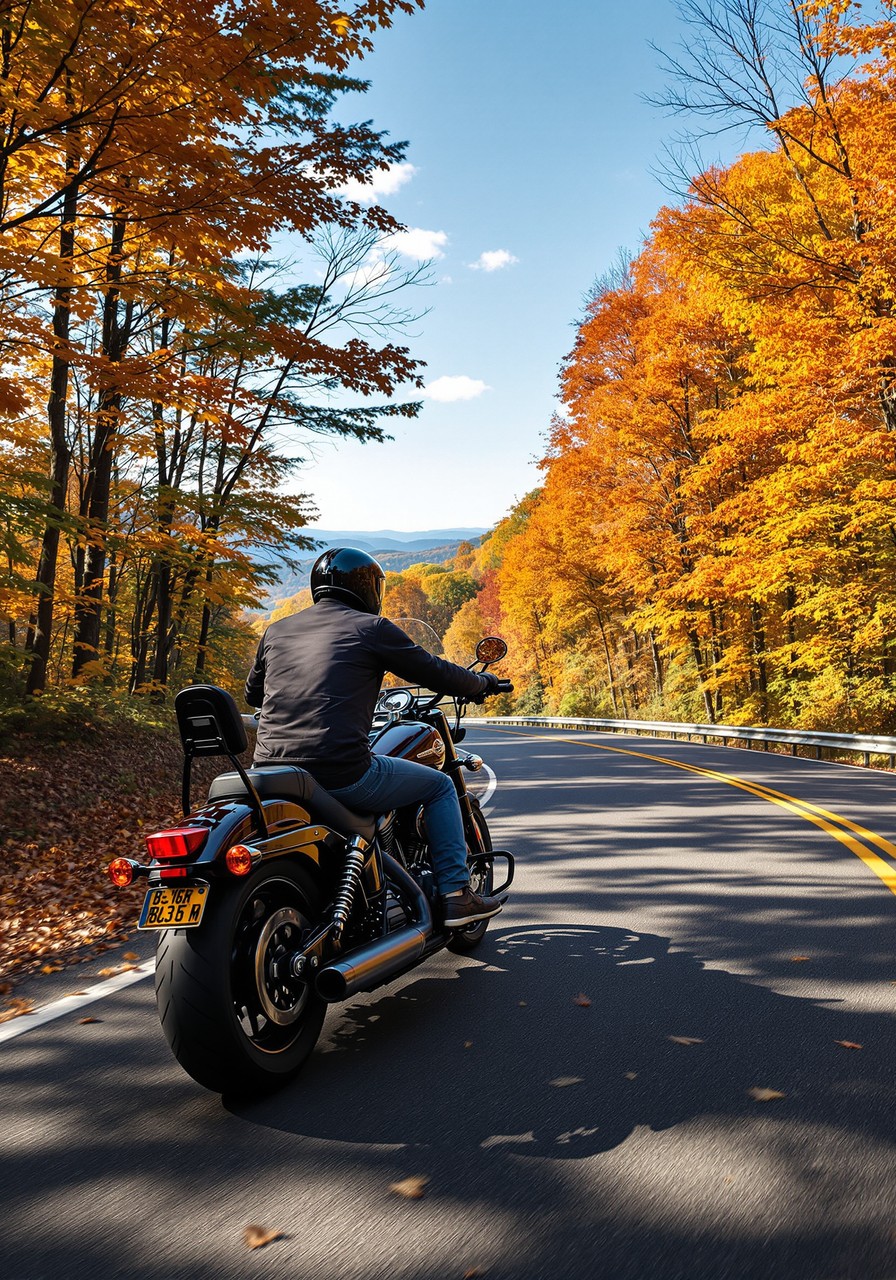
Local NJ & Rides
Freeze-thaw season chews up our backroads fast. Those Route 22 potholes get brutal by February, so read the lane ahead. #RideNationNJ #GardenState #NJRiders
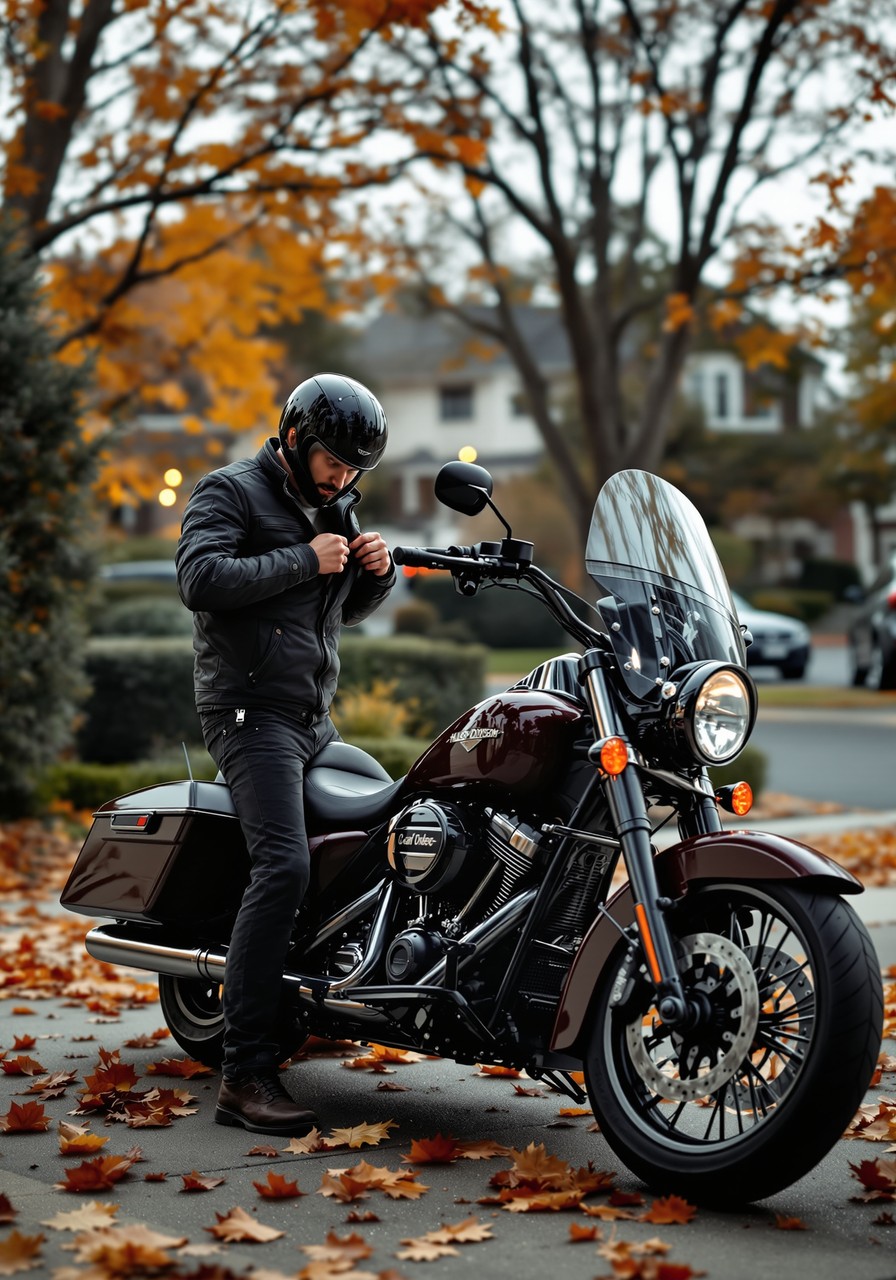
Gear & New Iron
Heated gear changes cold-season riding. A heated vest or jacket liner pulls off your battery and keeps your core warm so you stay loose and alert. #RideNationNJ #ColdWeatherRiding #NewIron
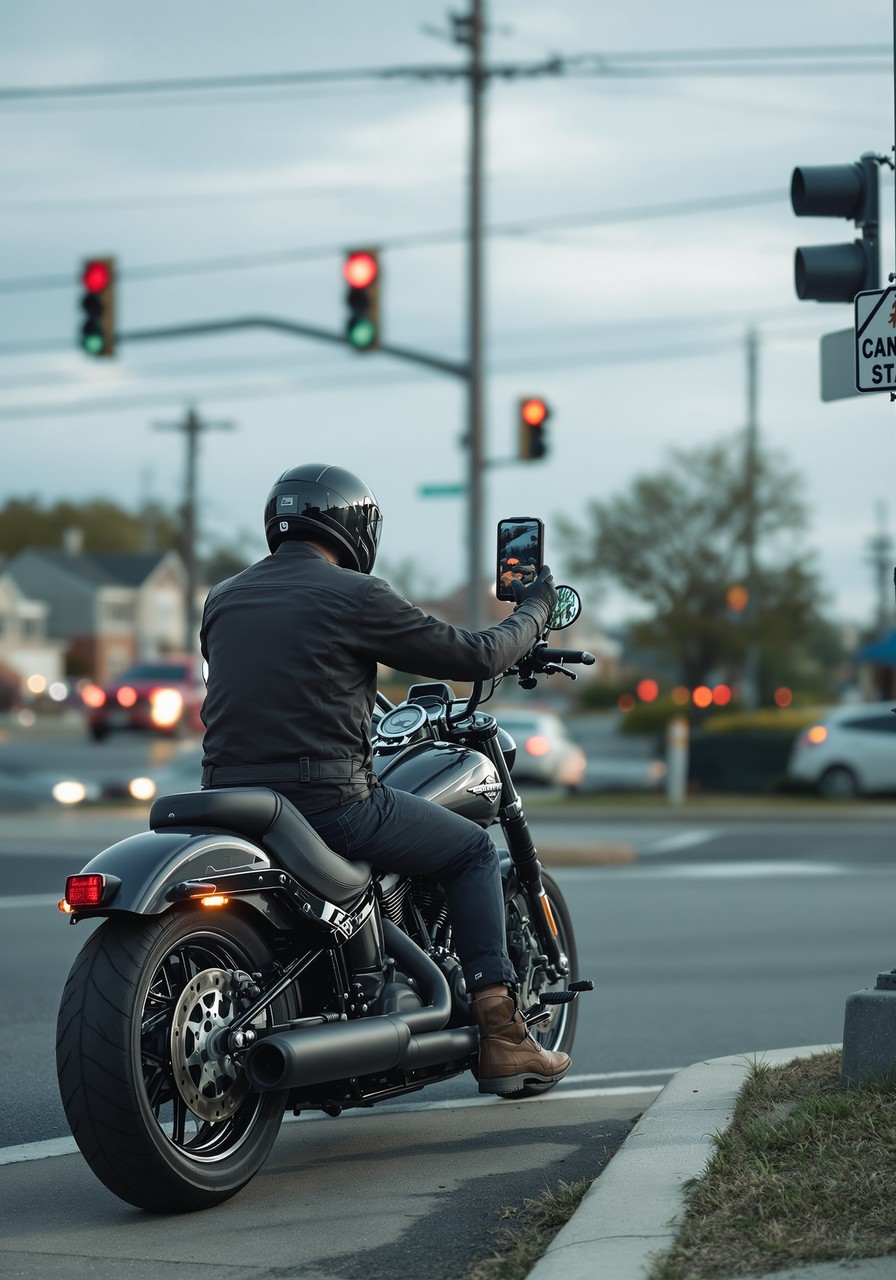
Safety & NJ Law
Jersey potholes are brutal and they hit two wheels harder than four. Scan your line early, keep space to move, and slow before you commit. #RideNationNJ #MotorcycleSafety #NJRiders
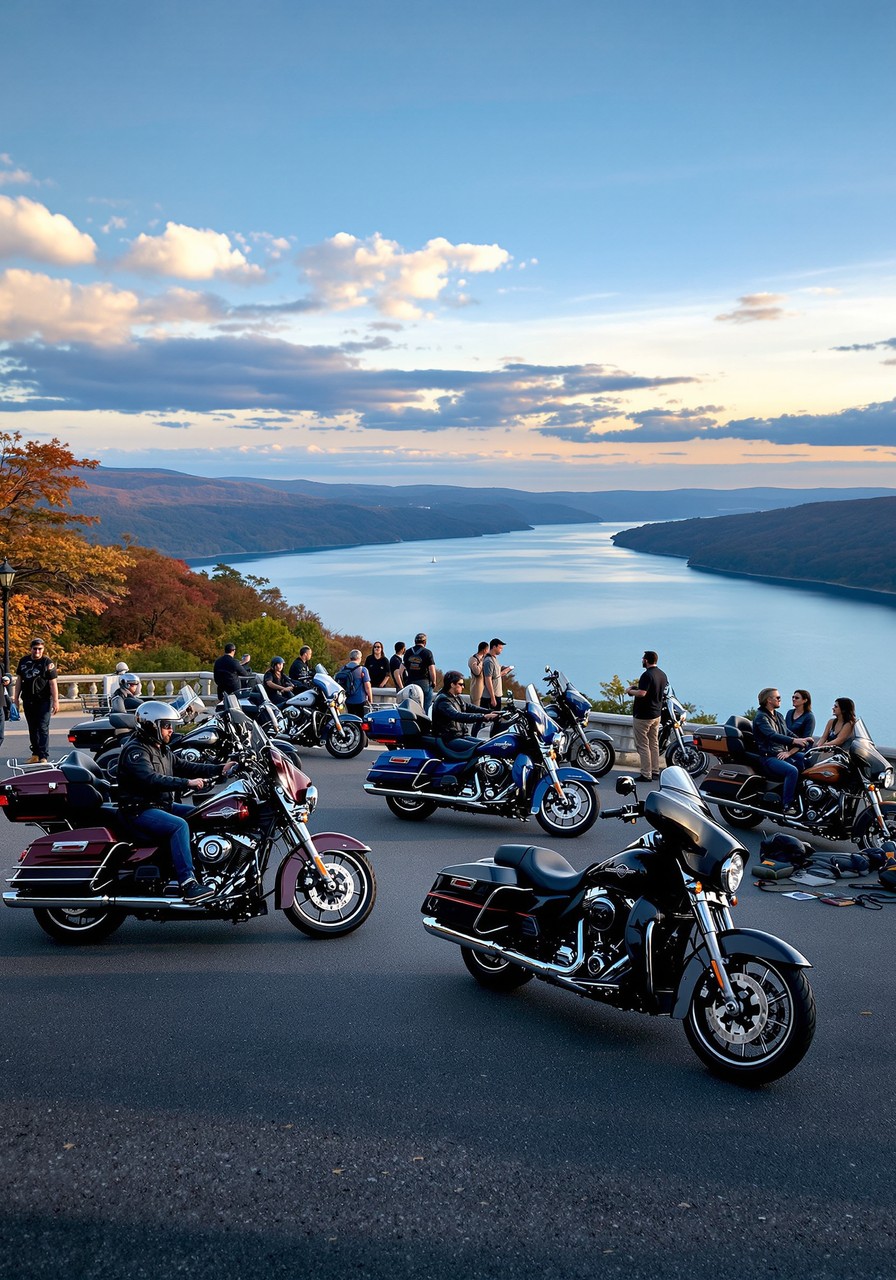
Engagement
This or that: heated grips or just tough it out through a Jersey cold snap? No wrong answers. #RideNationNJ #GardenState #TwoWheels
Giveaway & Countdown
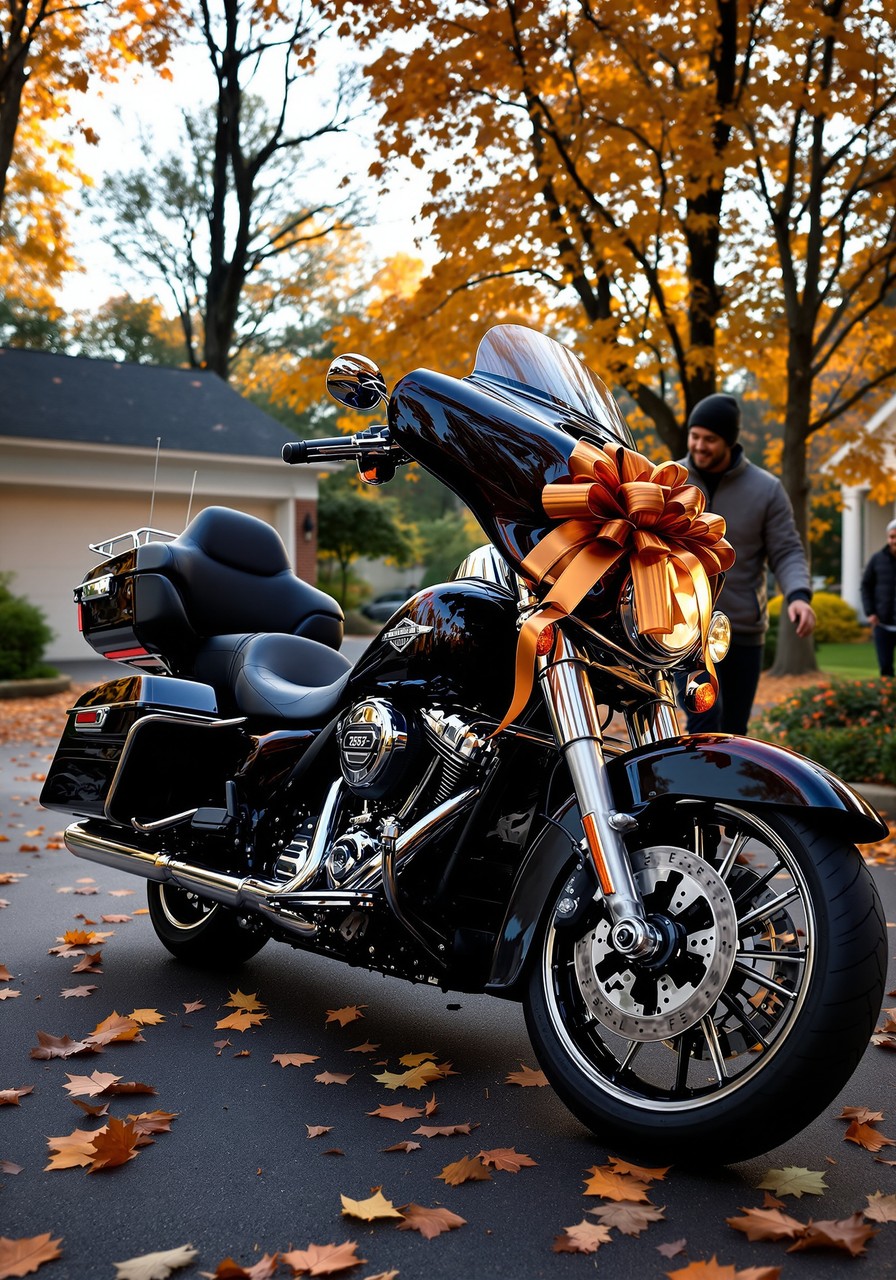
Got a crash story and questions? A free review with Garces, Grabler & LeBrocq answers them and enters you in the $20,000 giveaway. Call (855) 337-7062. #RideNationNJ #BikersWin #GardenState
Local NJ & Rides
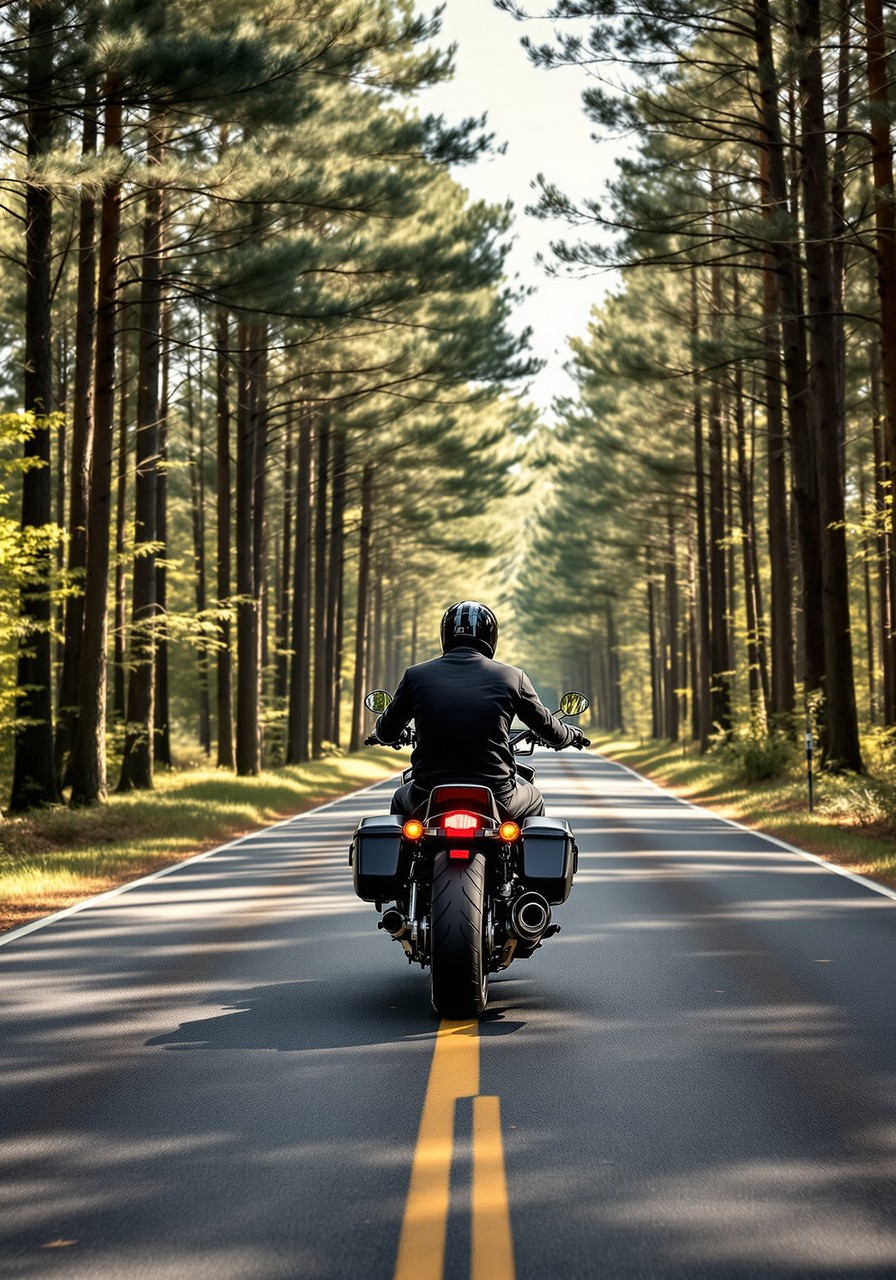
Jughandles trip up out-of-state riders every time. On Route 18 you turn from the right to go left, so plan the lane early. #RideNationNJ #NewJerseyRiders #NJRiders
Gear & New Iron
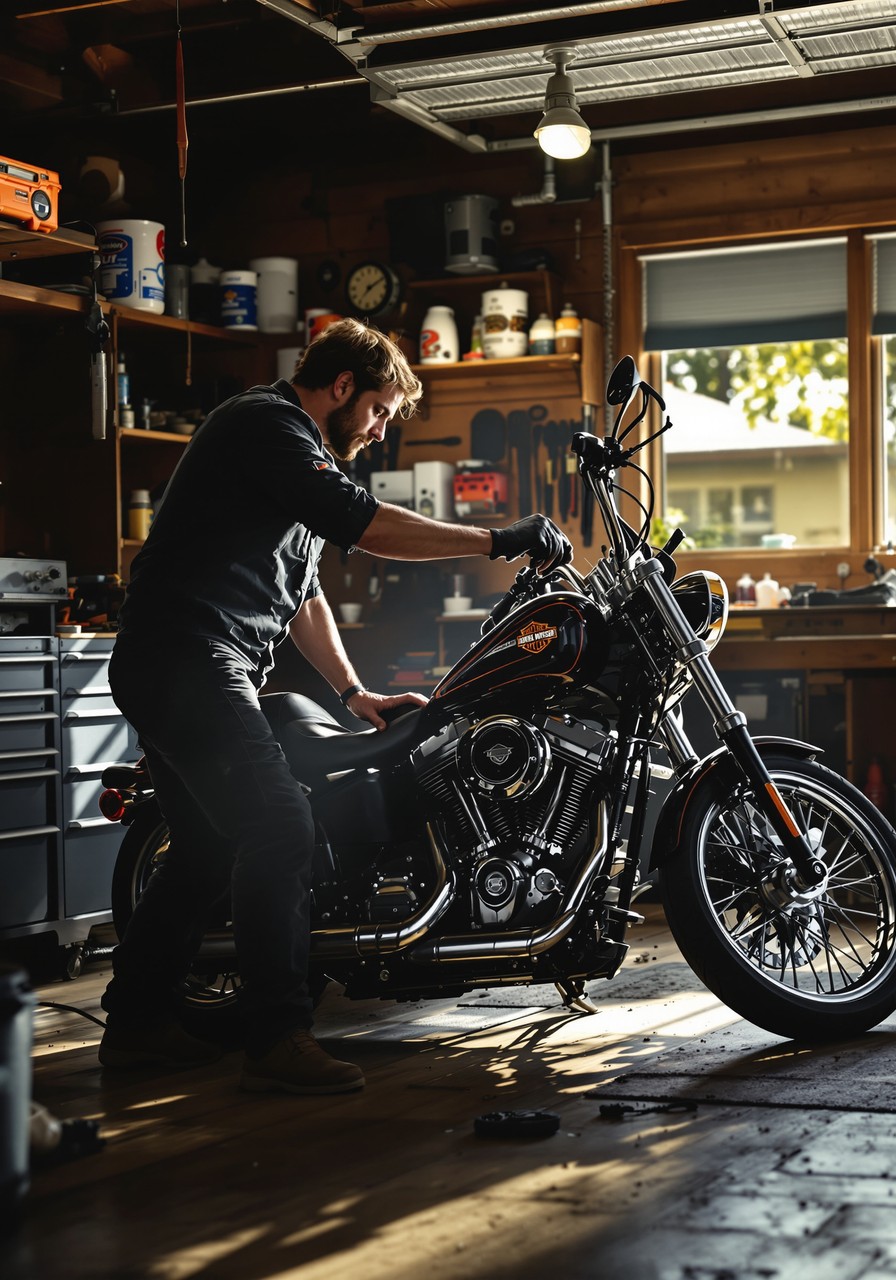
Base layers do quiet work. A good merino or synthetic base keeps you dry, and dry is what keeps you warm on a raw Jersey morning. #RideNationNJ #ColdWeatherRiding #RiderTips
Safety & NJ Law
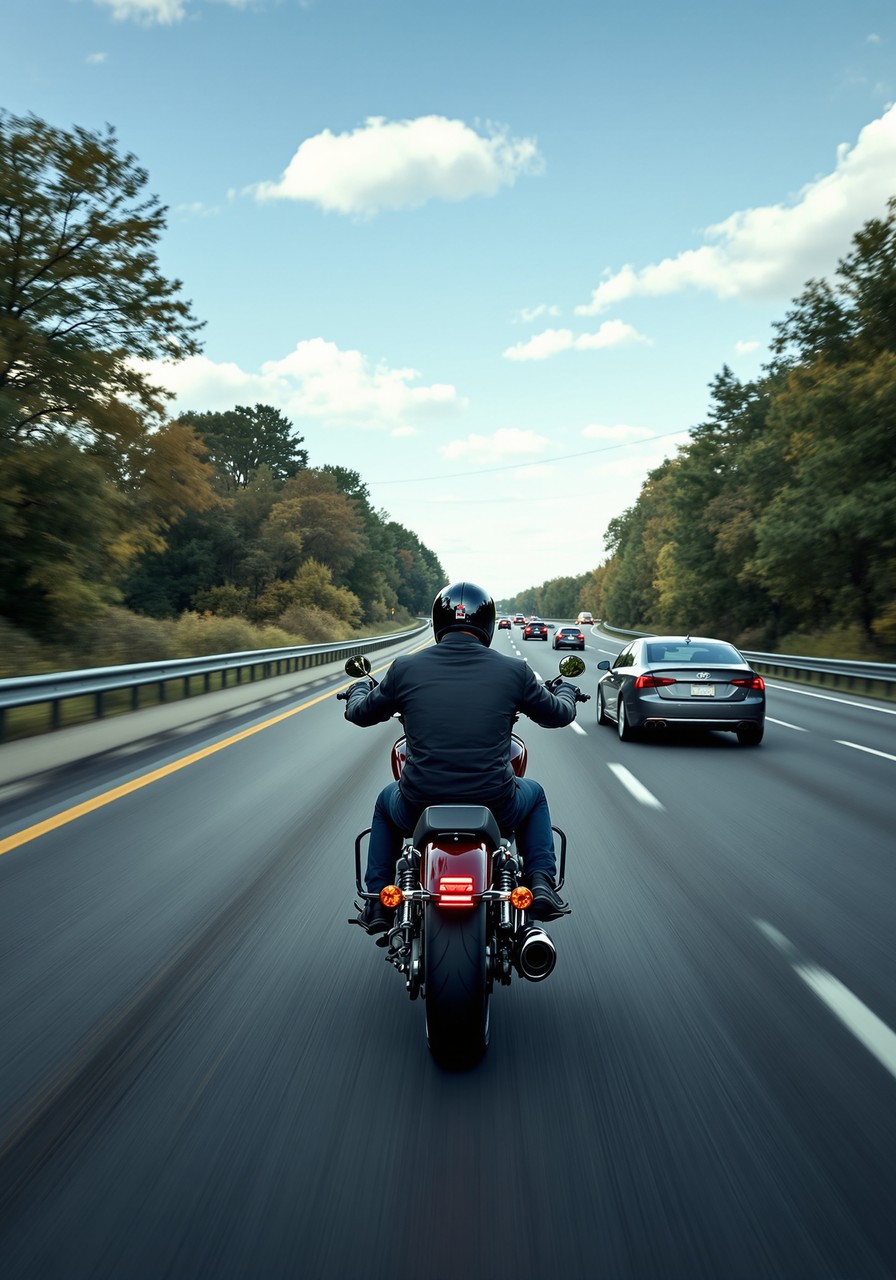
Camera footage disappears fast. If you go down in New Jersey, note nearby businesses, doorbells, and traffic cams before that video is overwritten. We can help you chase it down. Call (855) 337-7062. #RideNationNJ #RiderRights #KnowYourRights
Engagement
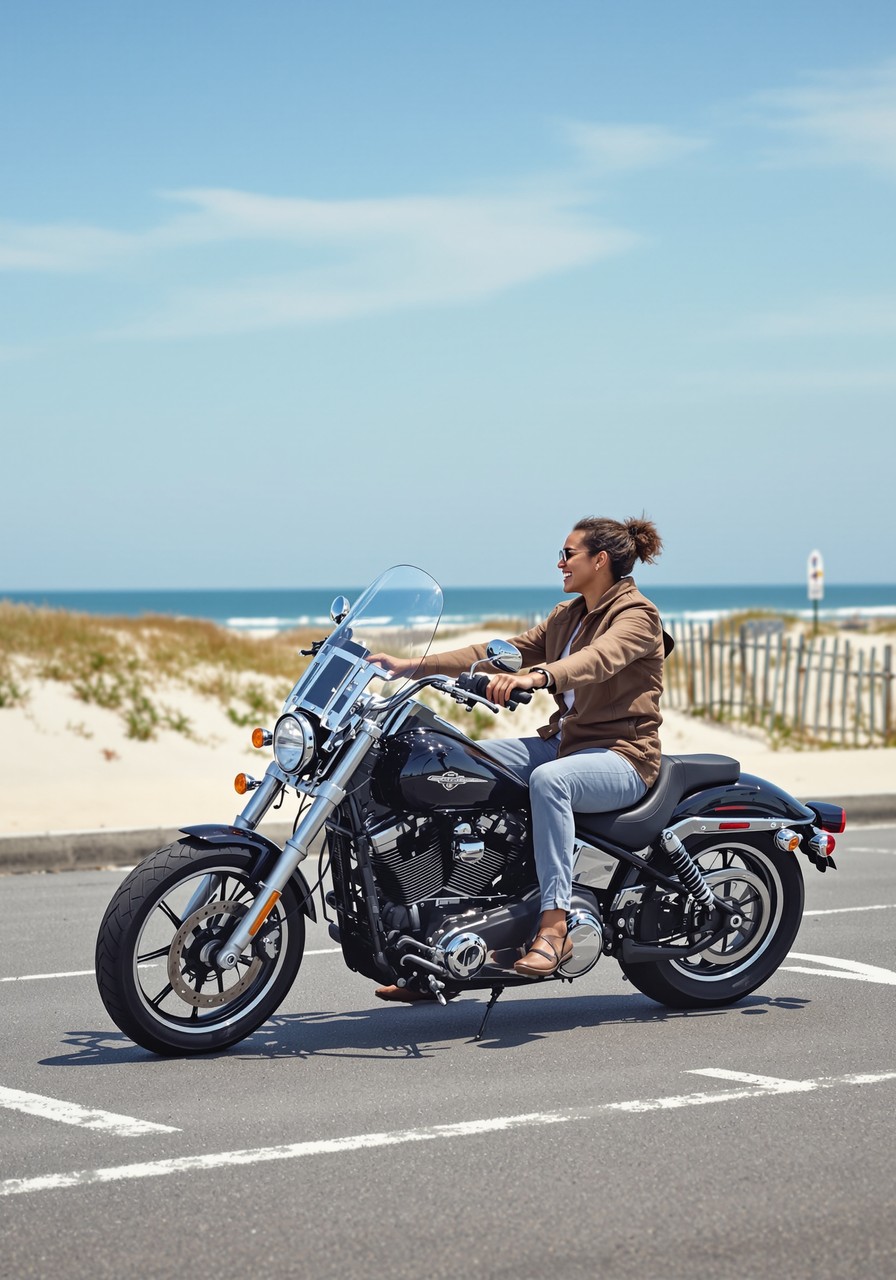
Name the one NJ road you would ride a hundred times and never get bored. Go. #RideNationNJ #NewJerseyRiders #DelawareWaterGap
Giveaway & Countdown
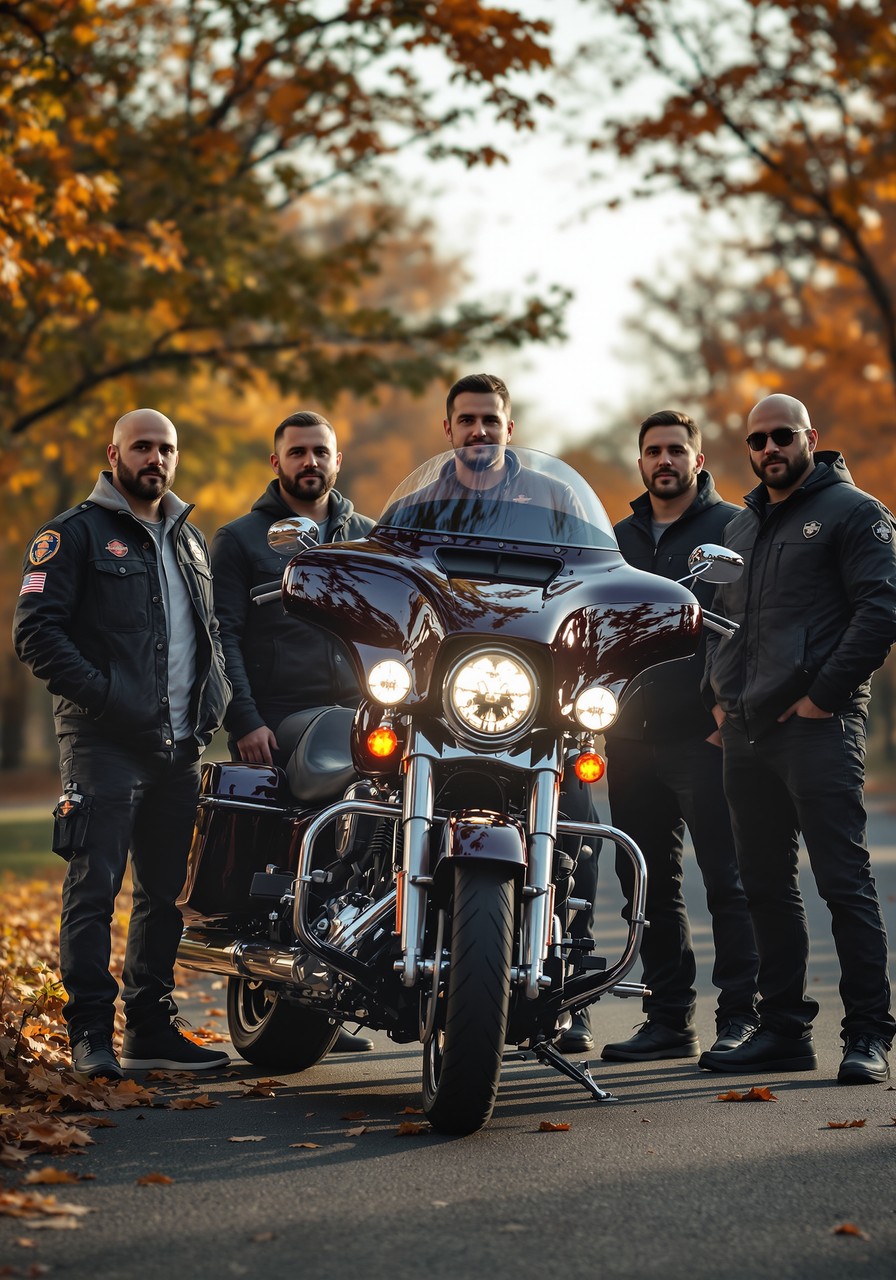
The clock keeps moving and so should you. Get your name in the BikersWin $20,000 giveaway before the window closes. #RideNationNJ #20kGiveaway #NJRiders
Local NJ & Rides
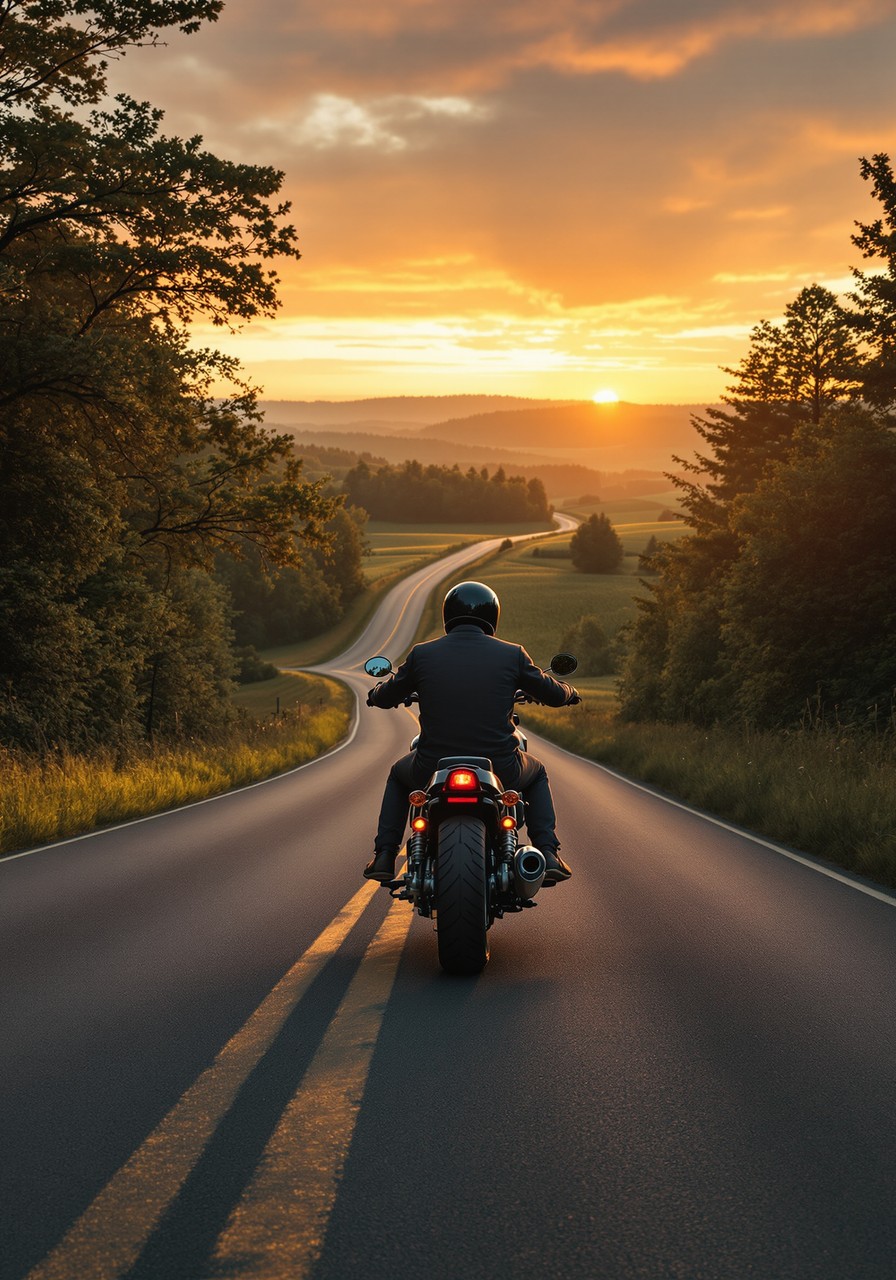
Steel-grate bridge decks feel squirmy under the tires. Relax your grip, hold your line, and let the bike wander a little. #RideNationNJ #NJRiders #MotorcycleRoads
Gear & New Iron
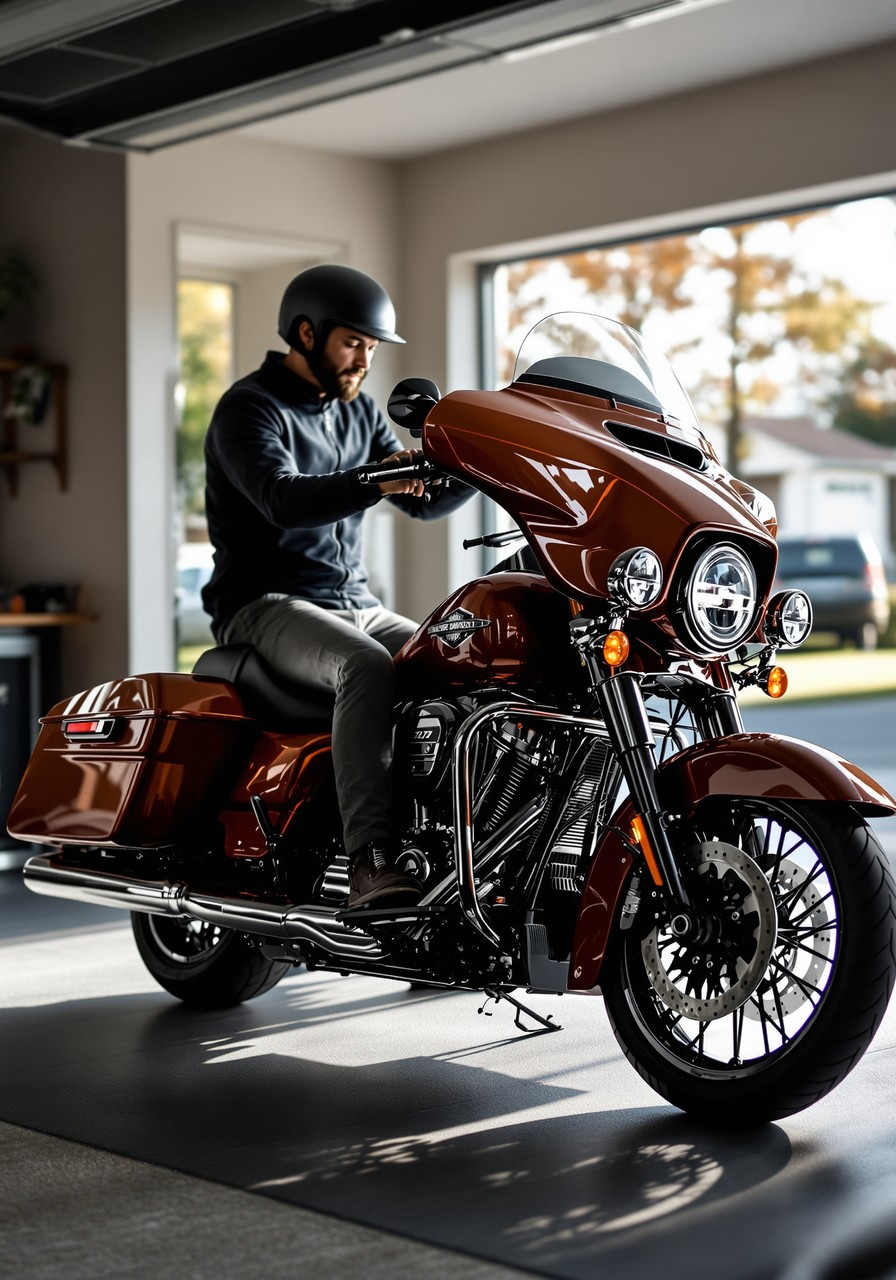
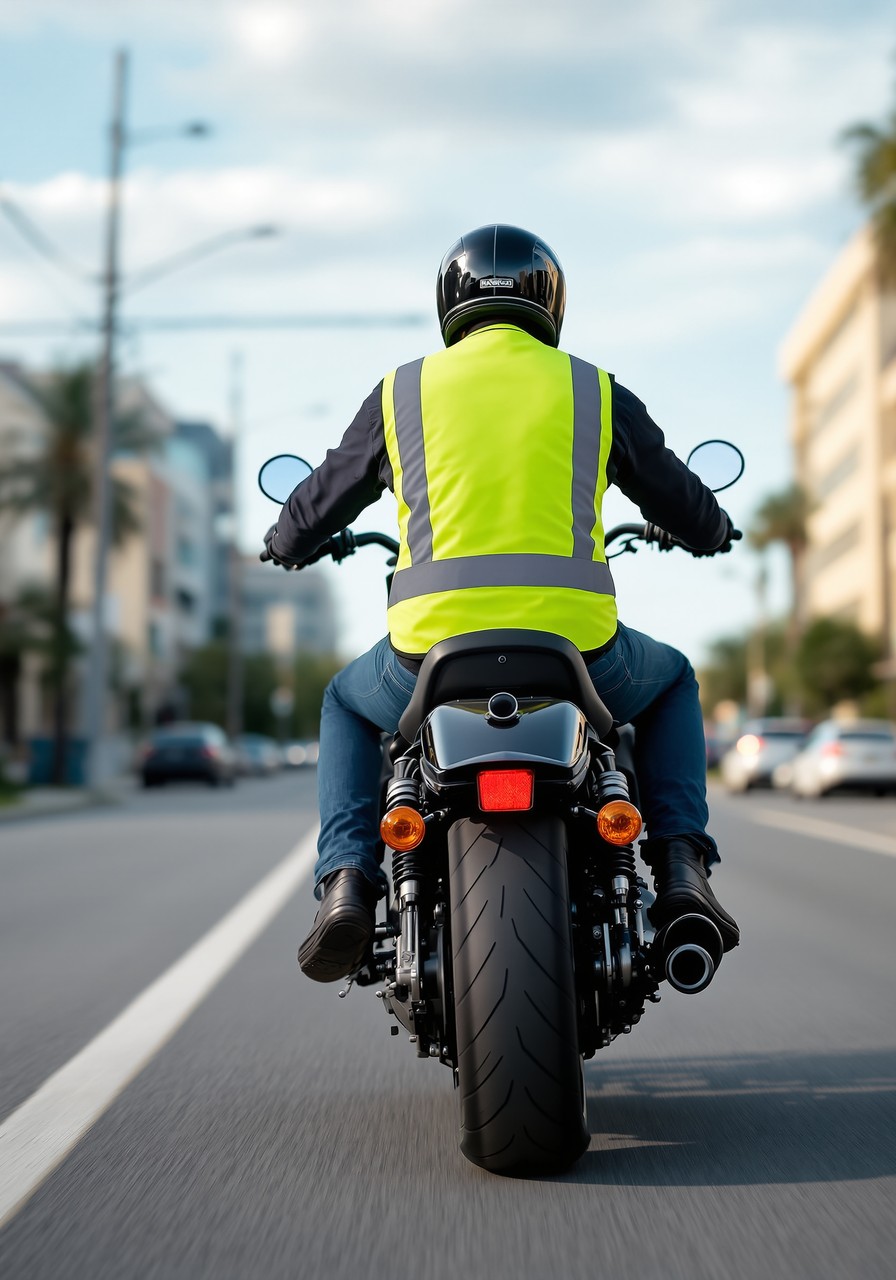
Jersey traffic is dense and drivers miss us. Hi-viz on the jacket or a bright helmet buys you the extra half second that keeps a car in its lane. #RideNationNJ #GearUp #NJRiders
Safety & NJ Law
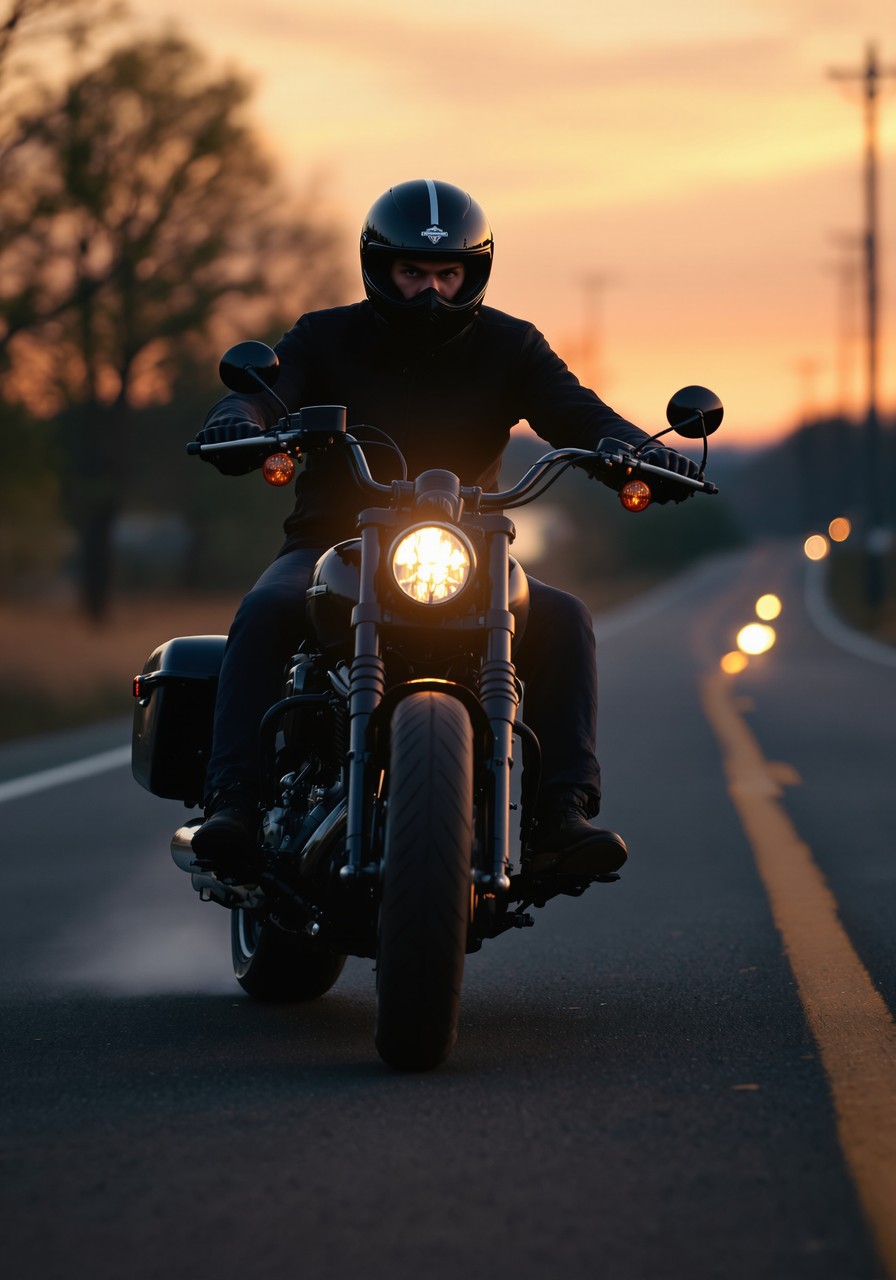
See and be seen is not a slogan, it is survival. Bright gear, lane position, and lights on turn you from invisible into unmissable. #RideNationNJ #MotorcycleSafety #ATGATT
Engagement
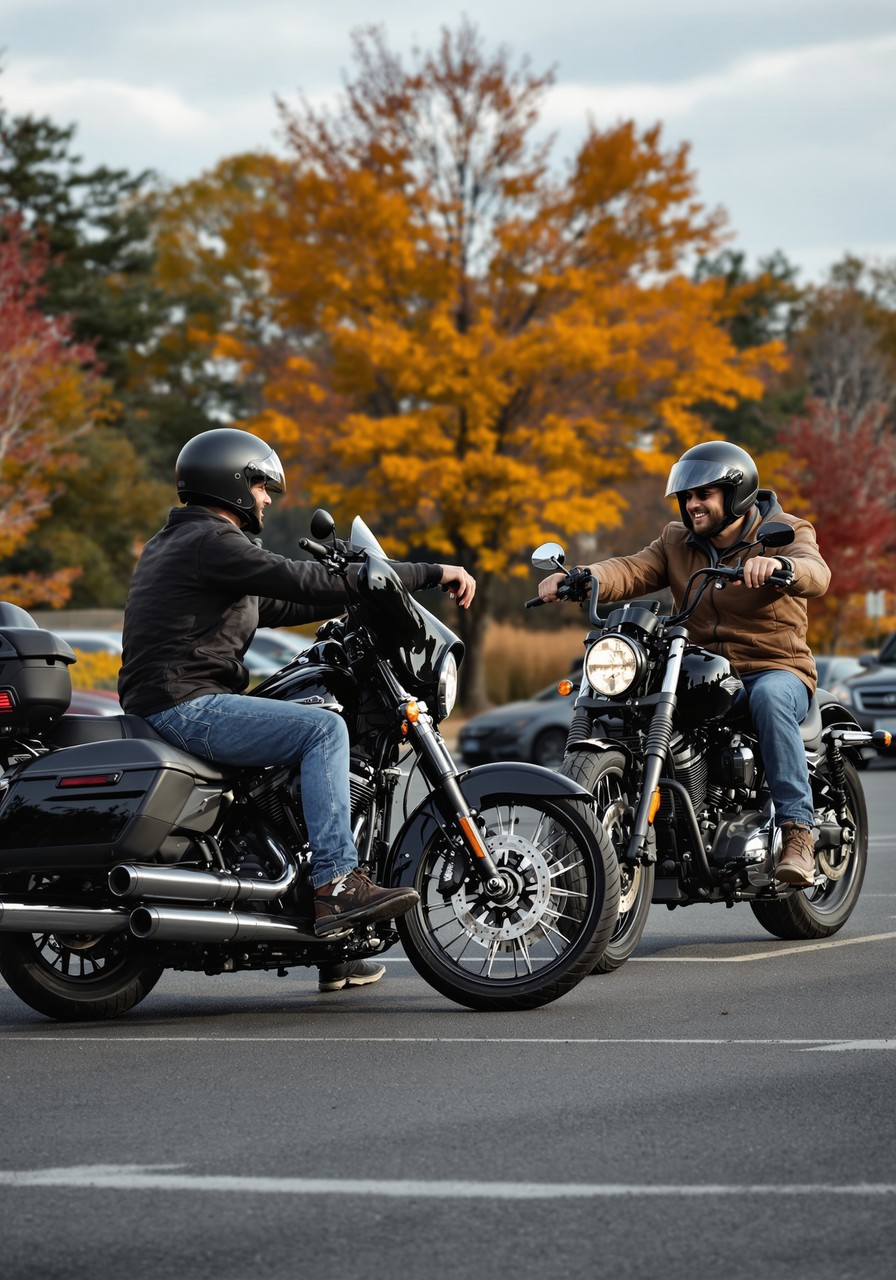
Poll: cruiser, sport, adventure, or dual sport? Represent your class in the comments. #RideNationNJ #TwoWheels #NJRiders
Giveaway & Countdown
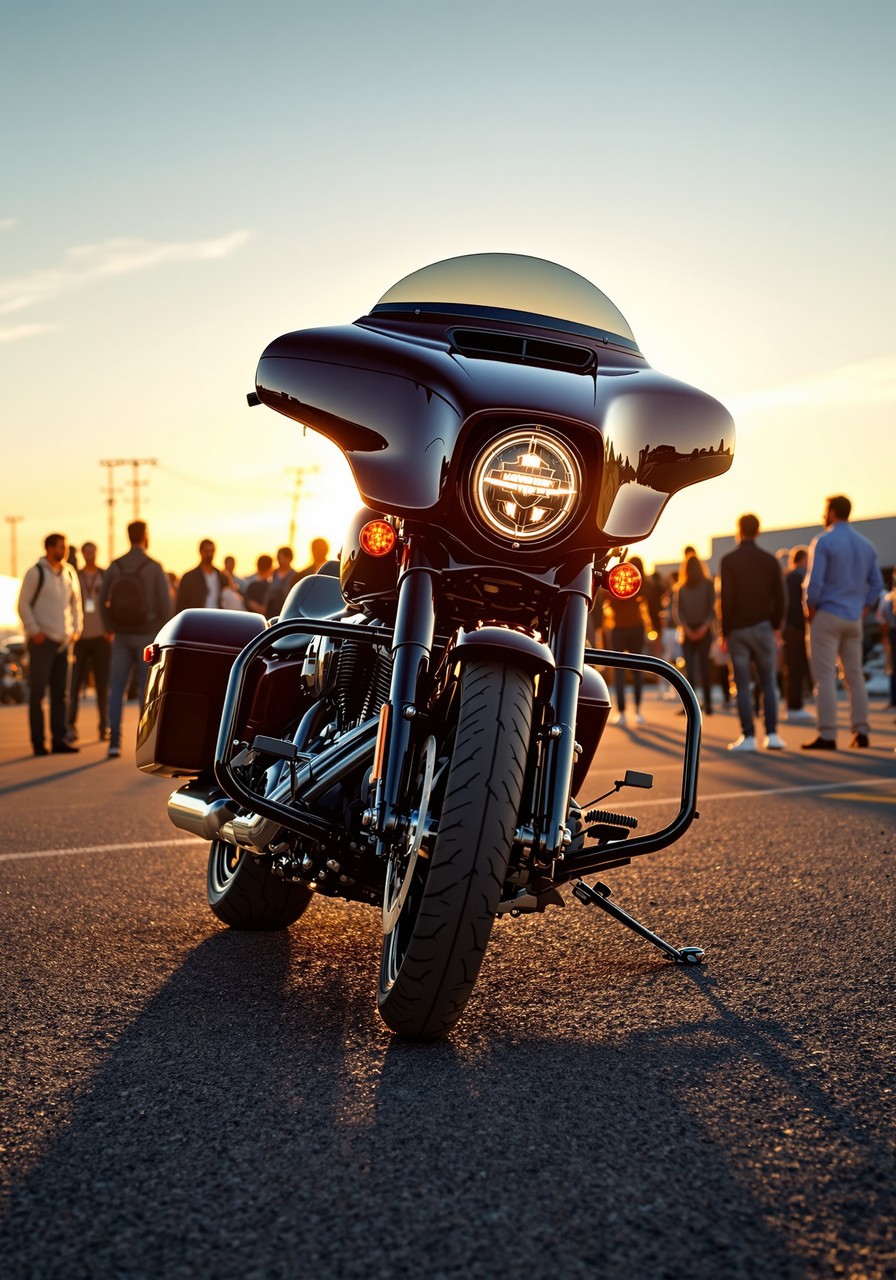
Real talk: entry is free and it starts with a conversation about your ride and your wreck. That is it. Reach us at (855) 337-7062. #RideNationNJ #MotorcycleGiveaway #NewJerseyRiders
Local NJ & Rides
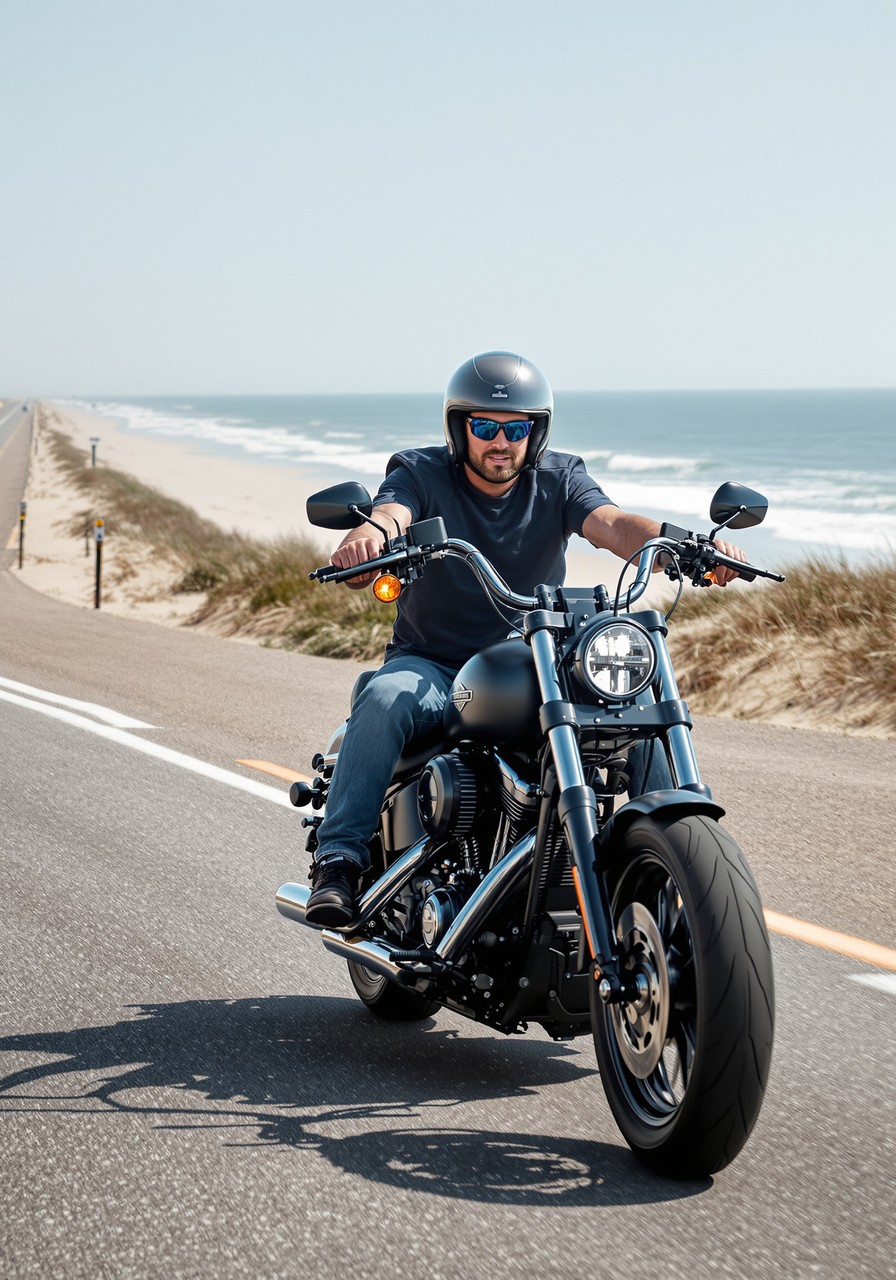
Deer own the backroads at dusk this time of year. Ease off through the wooded stretches near the Sourlands and scan the shoulders. #RideNationNJ #NJRiders #GardenState
Gear & New Iron
Reflective panels are not just for daytime. Come dusk on Route 1 or the Parkway, retro-reflective trim makes you a shape a driver actually registers. #RideNationNJ #GearUp #NJRiders
Safety & NJ Law
Car occupants in New Jersey are boxed in by the no-fault verbal threshold. As a rider outside the PIP system, you are not, which means your right to pursue full damages stays open. Have questions? Call Garces, Grabler & LeBrocq at (855) 337-7062. #RideNationNJ #RiderRights #NewJerseyRiders
Engagement
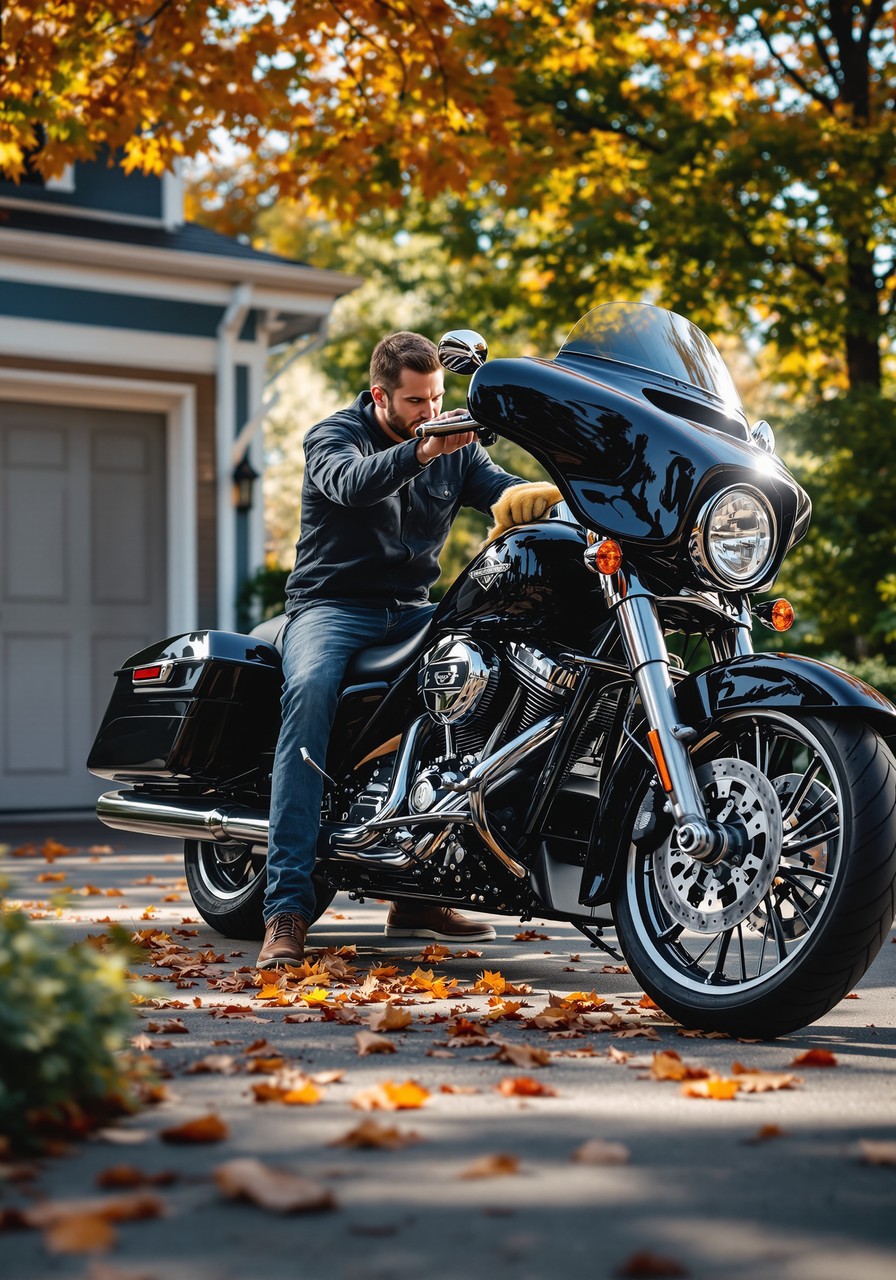
Fill in the blank: my winter garage project this year is ______. #RideNationNJ #GardenState #TwoWheels
Giveaway & Countdown
Imagine what $20,000 does for your next build, your gear, or your peace of mind. That energy is up for grabs. #RideNationNJ #BikersWin #GardenState
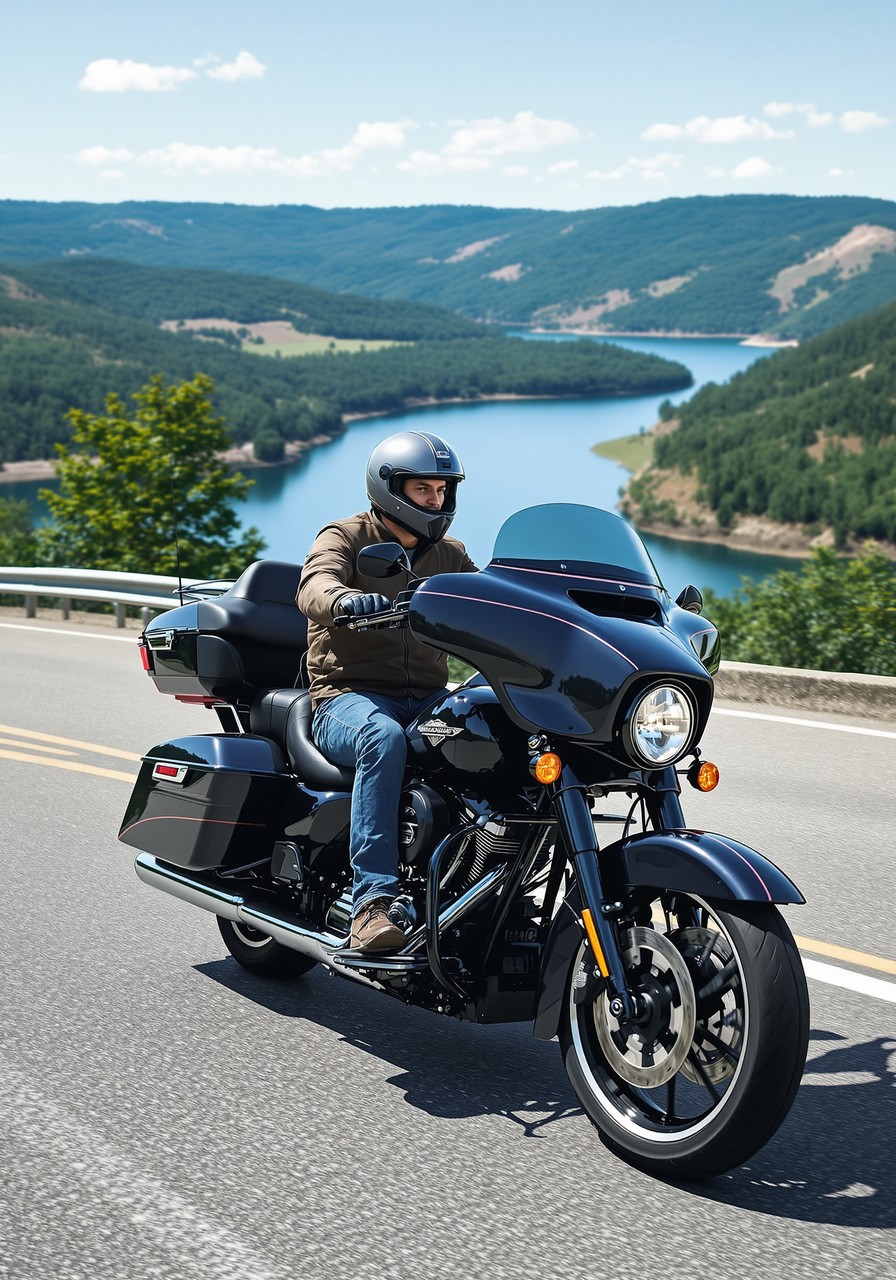
Local NJ & Rides
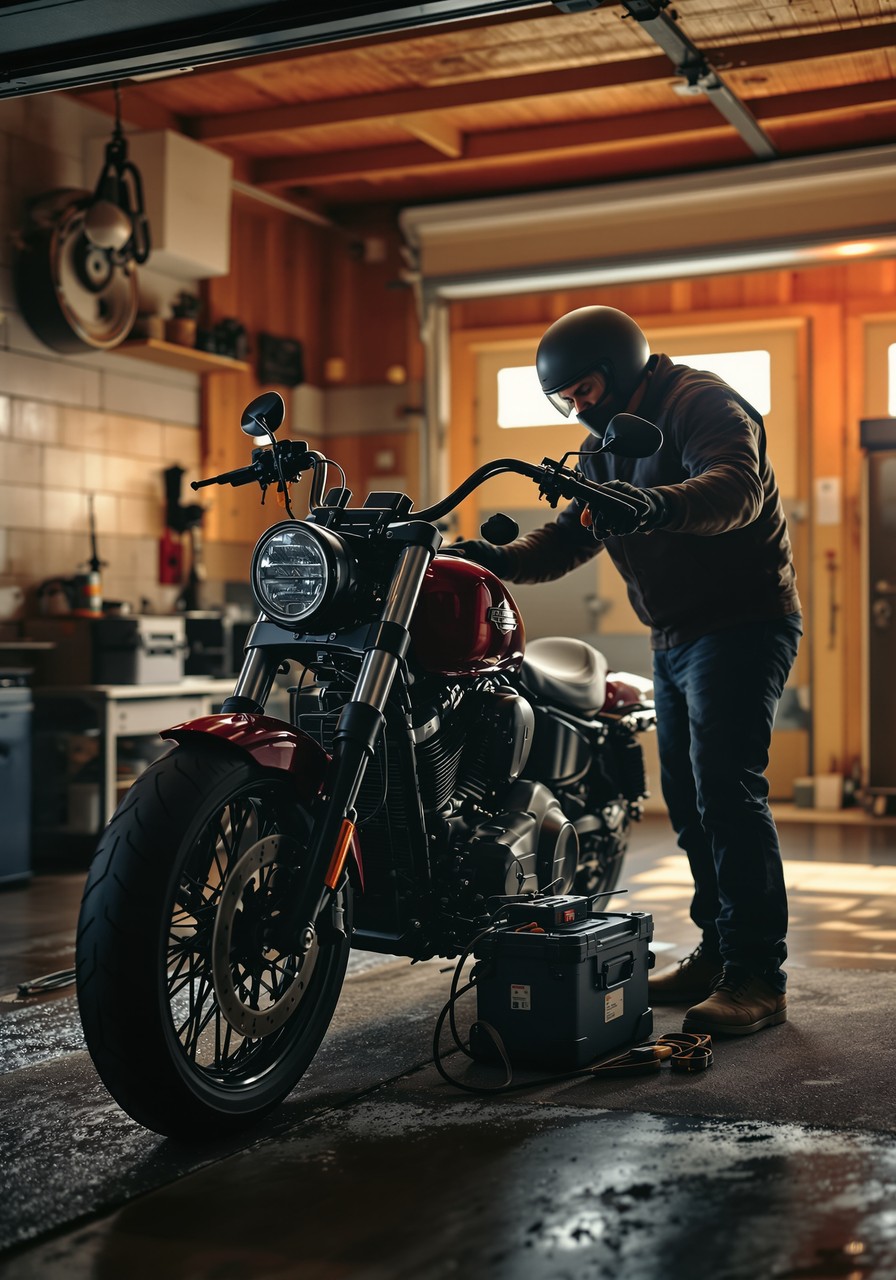
Garage season is here. Fresh oil, a battery tender, and a clean chain now means you roll out ready when the first warm day hits. #RideNationNJ #NJRiders #NewJerseyRiders
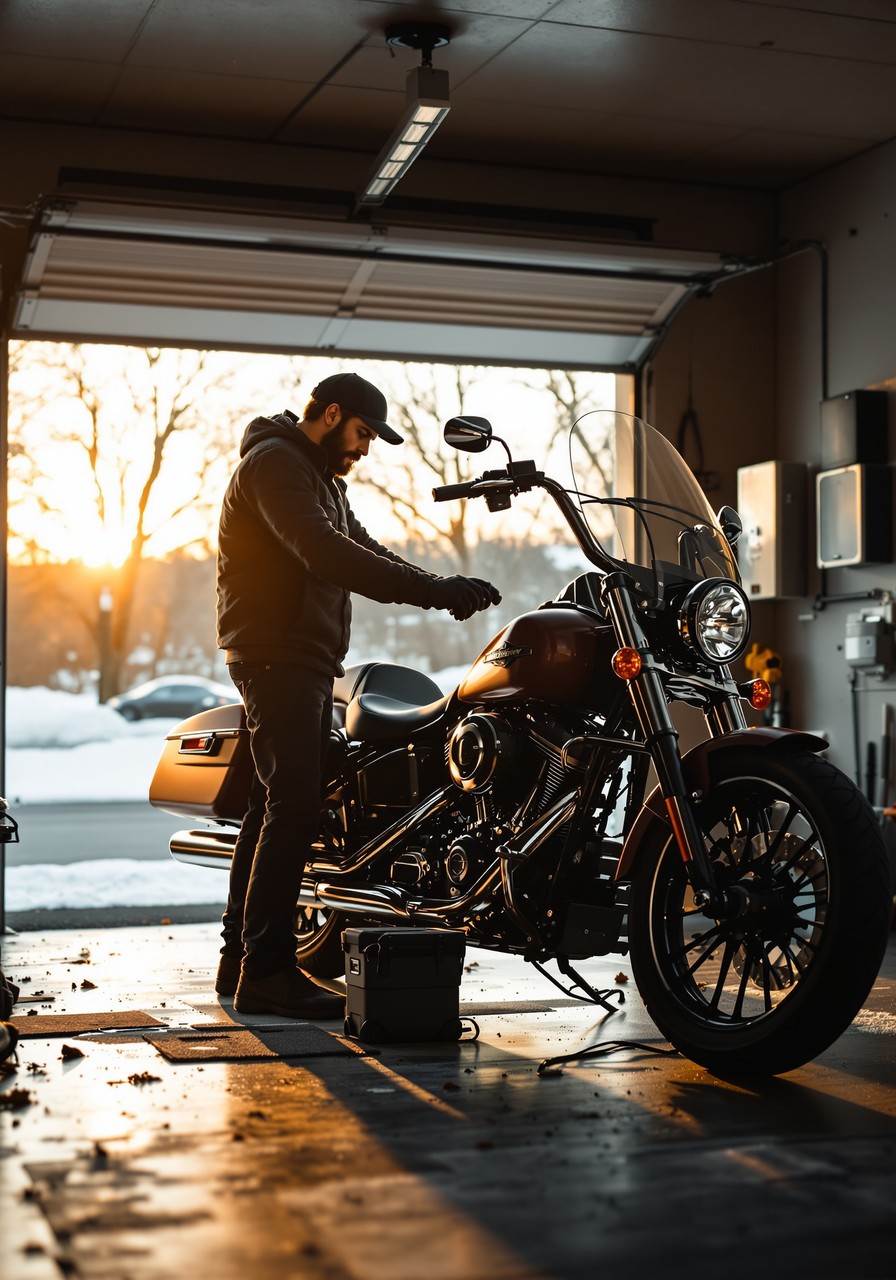
Gear & New Iron
Tires have a build date. Find the four-digit DOT code on the sidewall and if that rubber is pushing six years old, it is time no matter the tread. #RideNationNJ #MotorcycleMaintenance #RiderTips
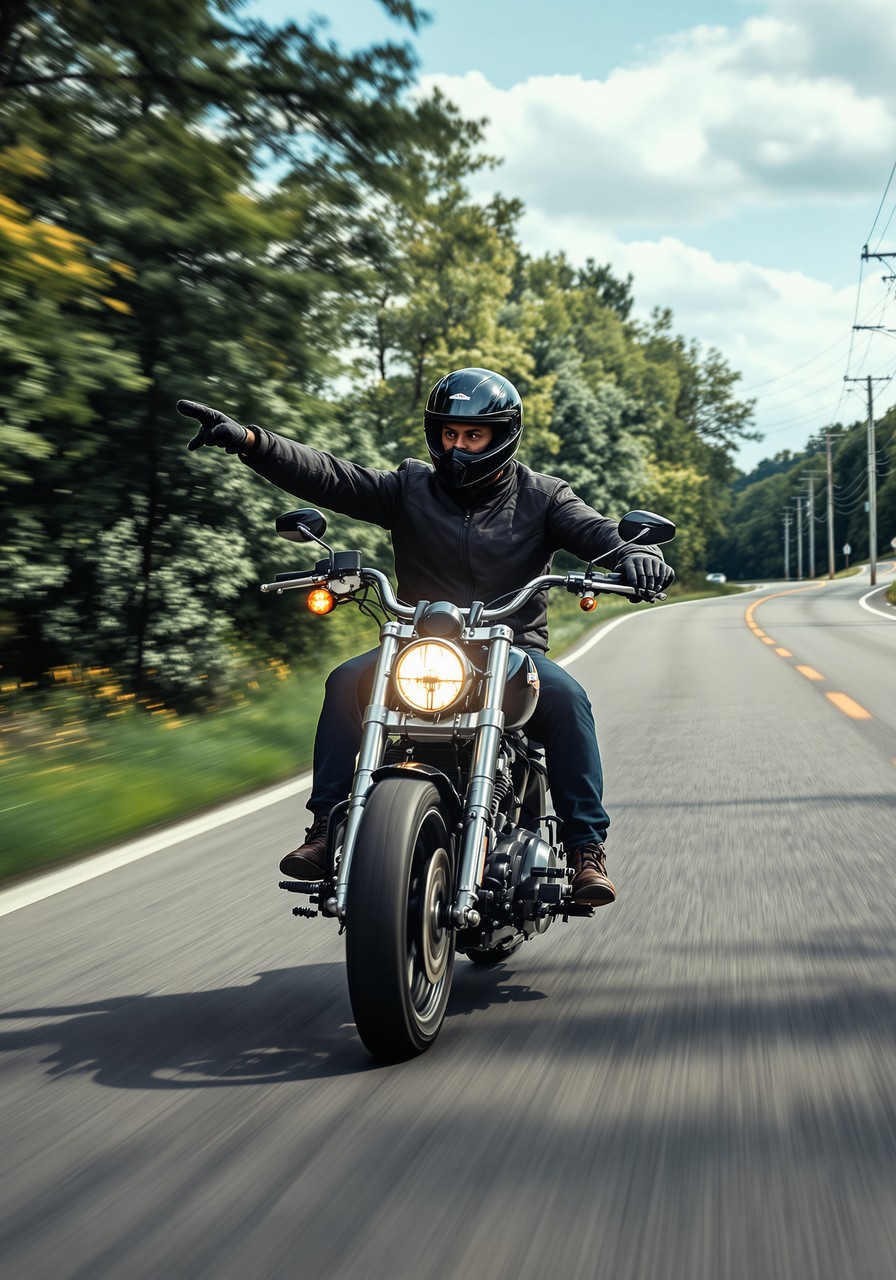
Safety & NJ Law
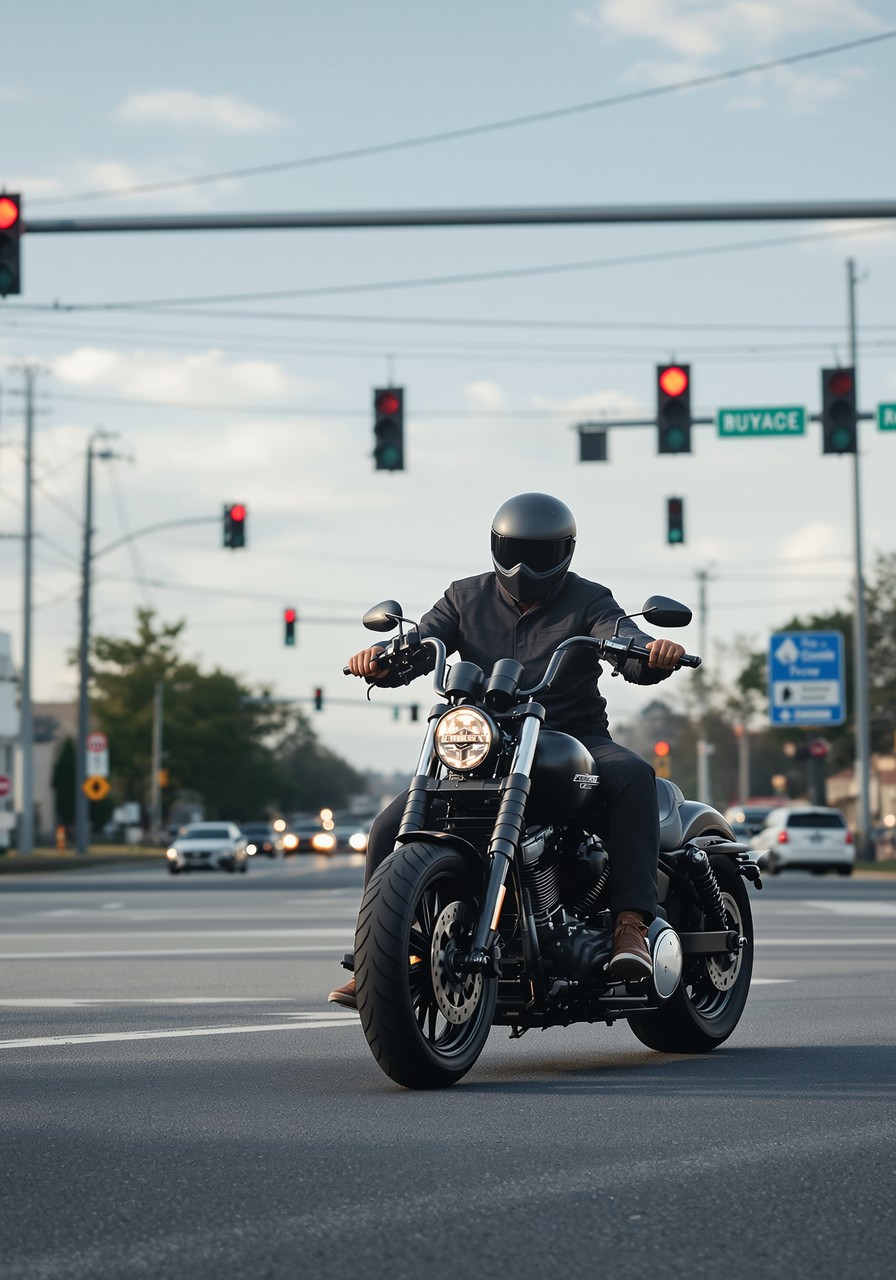
Dense Jersey traffic rewards patience over speed. Leave a cushion, stay out of blind spots, and never park yourself beside a distracted driver. #RideNationNJ #MotorcycleSafety #NJRiders
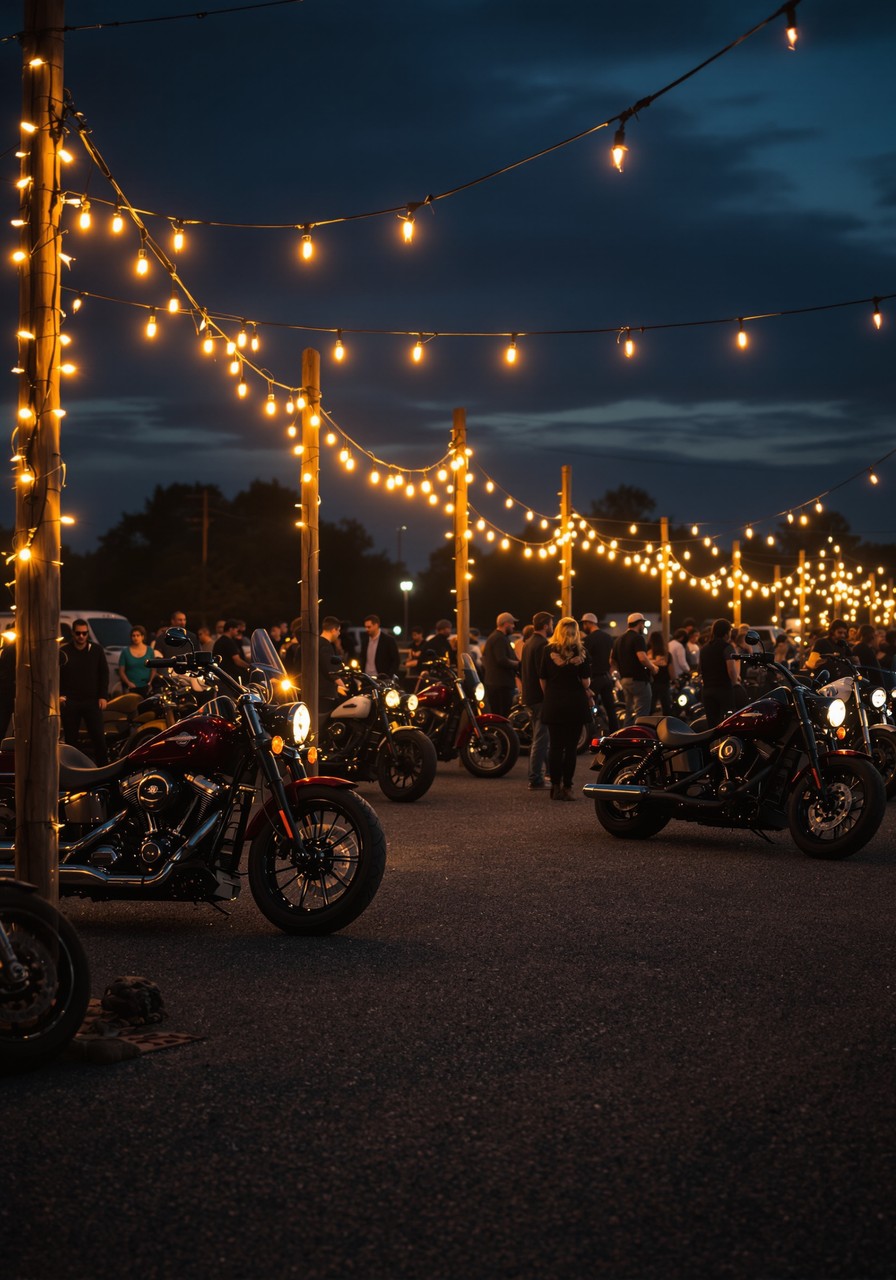
Engagement
Caption this: three bikes parked outside a diner off Route 9, engines still ticking. #RideNationNJ #NJRiders #NewJerseyRiders
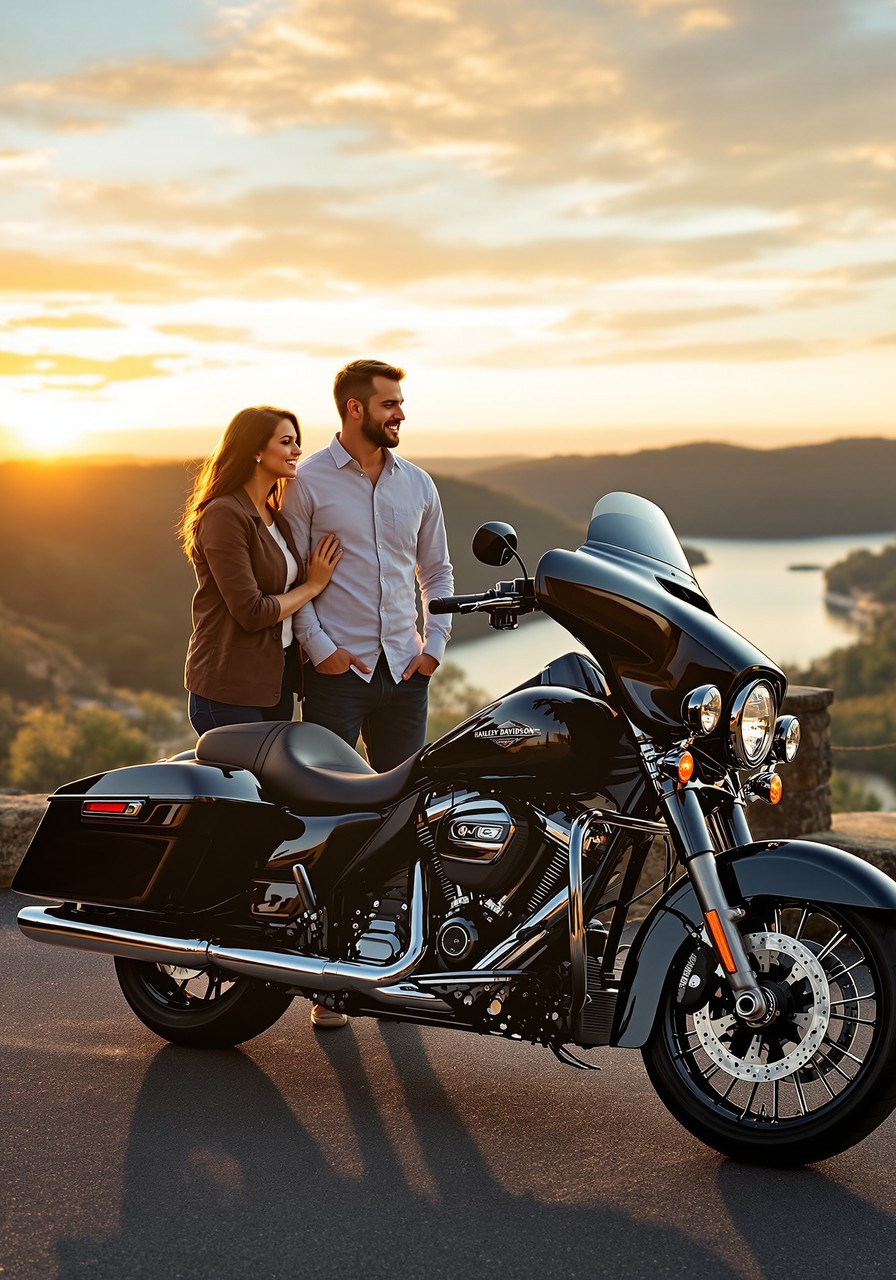
Giveaway & Countdown
Every rider in New Jersey deserves a shot at this. Talk to us about your crash, free, and you are entered in the BikersWin $20,000 giveaway. Dial (855) 337-7062. #RideNationNJ #20kGiveaway #NJRiders
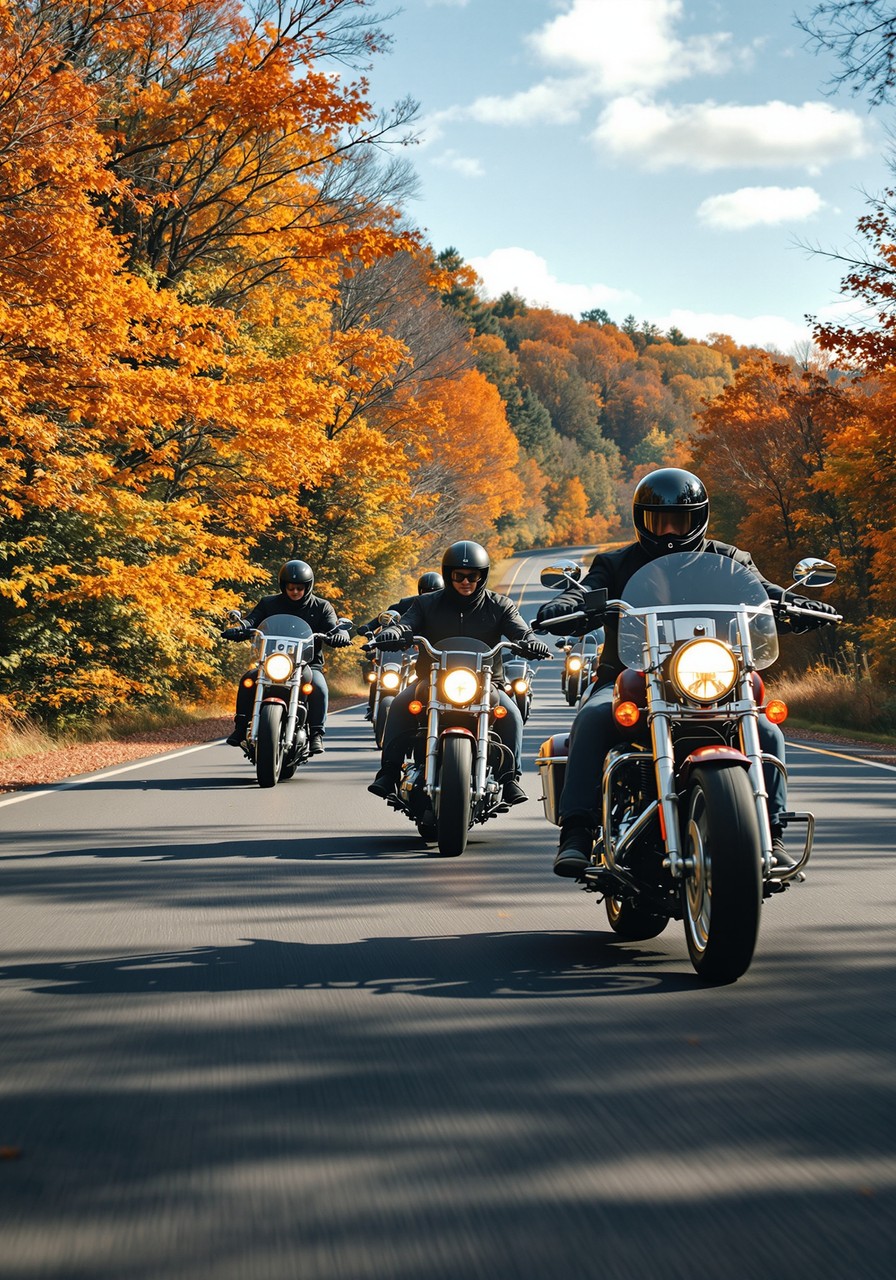
Local NJ & Rides
Salt and sand stay on the roads long after the snow melts. That first dry January day can still be slick in the shade. #RideNationNJ #GardenState #NJRiders
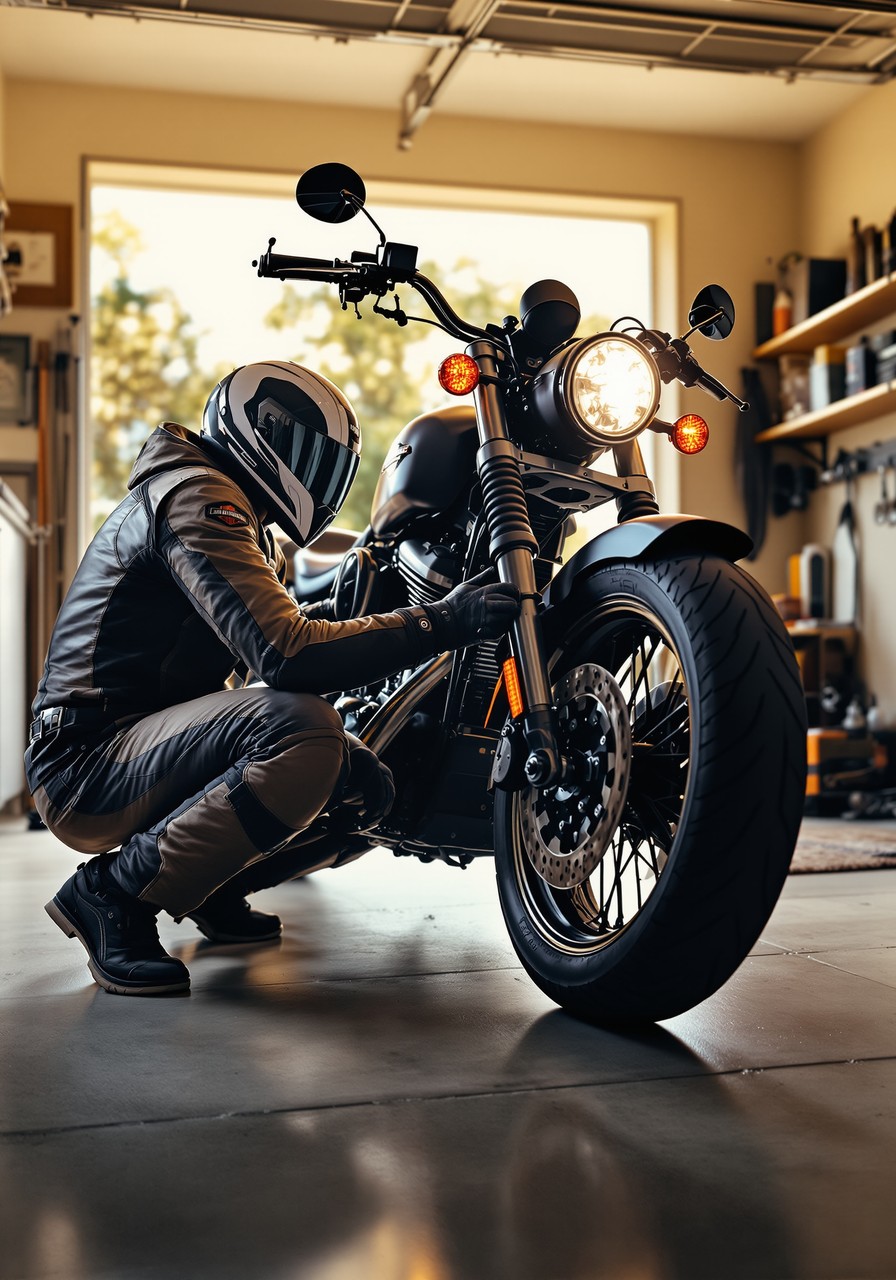
Gear & New Iron
Check tread before you check the weather. Worn or squared-off tires shed grip exactly when wet Jersey roads ask for more. Do the penny test. #RideNationNJ #MotorcycleMaintenance #RiderTips
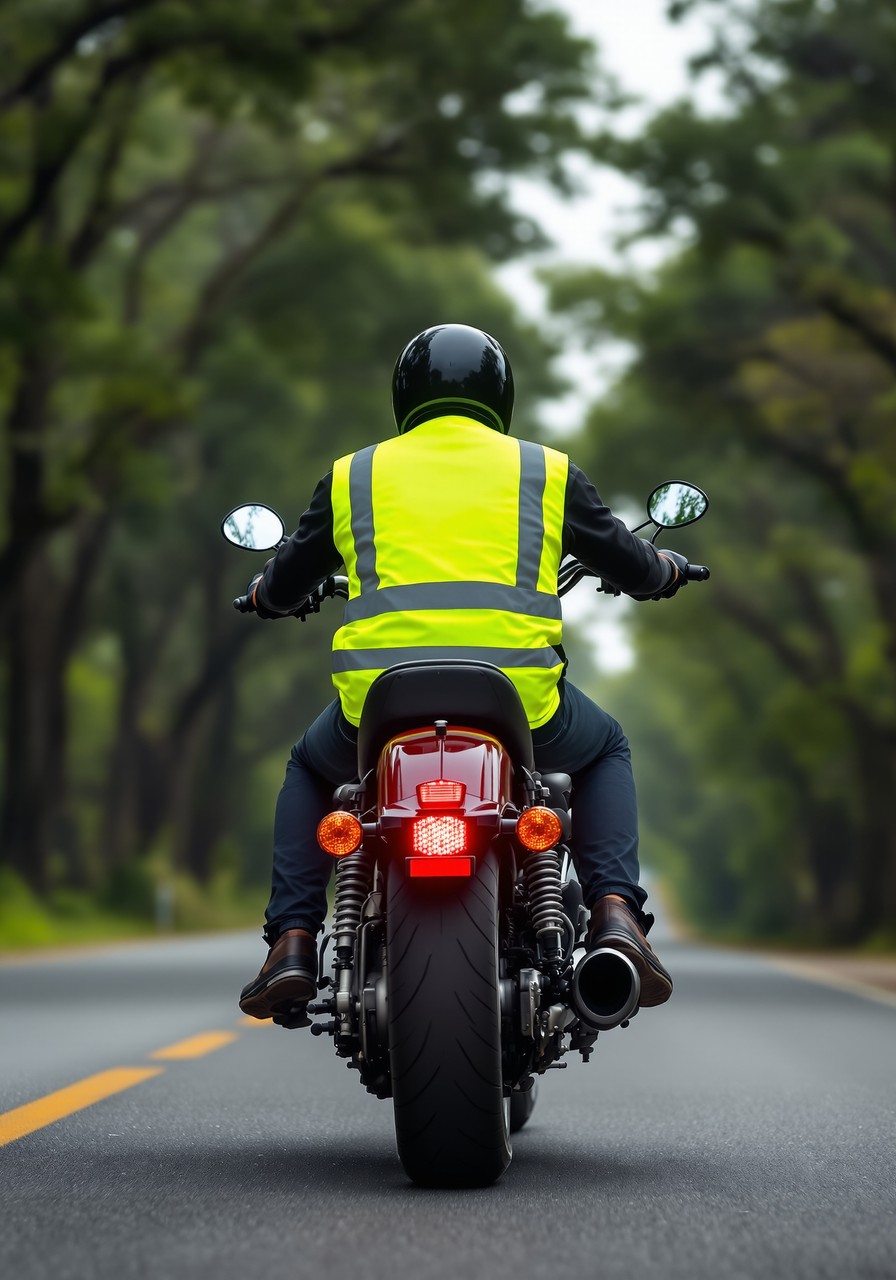
Safety & NJ Law
There is no PIP paying your bills off the bike, so UM/UIM is what protects you when the other driver has little or no insurance. New Jersey has plenty of those drivers. Let us review your coverage, call (855) 337-7062. #RideNationNJ #RiderRights #KnowYourRights
Engagement
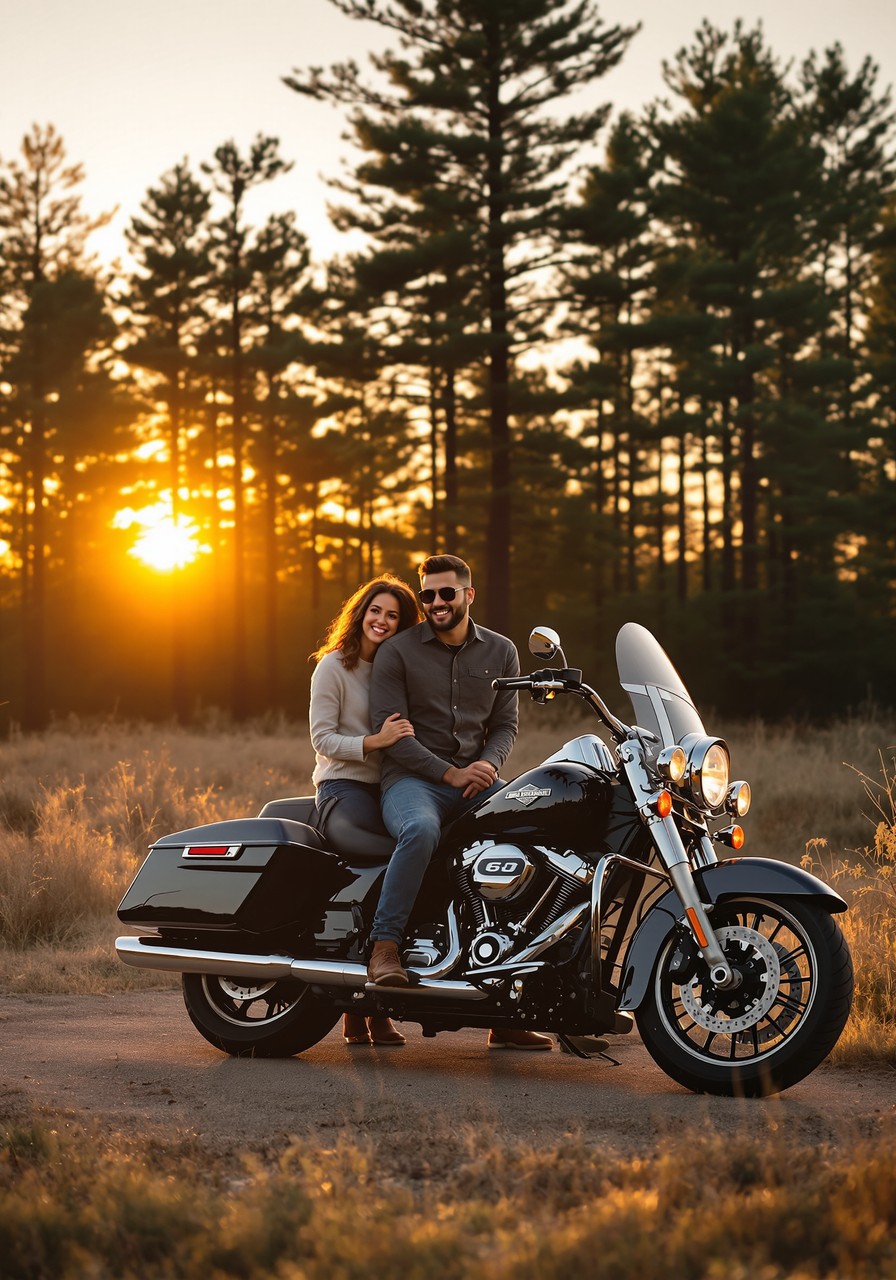
This or that: sunrise ride before work, or golden hour after. When do you feel it most? #RideNationNJ #JerseyShore #TwoWheels
Giveaway & Countdown
Milestone alert, Ride Nation. More riders are jumping into the $20,000 giveaway every single day. Do not be the one who missed it. #RideNationNJ #MotorcycleGiveaway #NewJerseyRiders
Local NJ & Rides
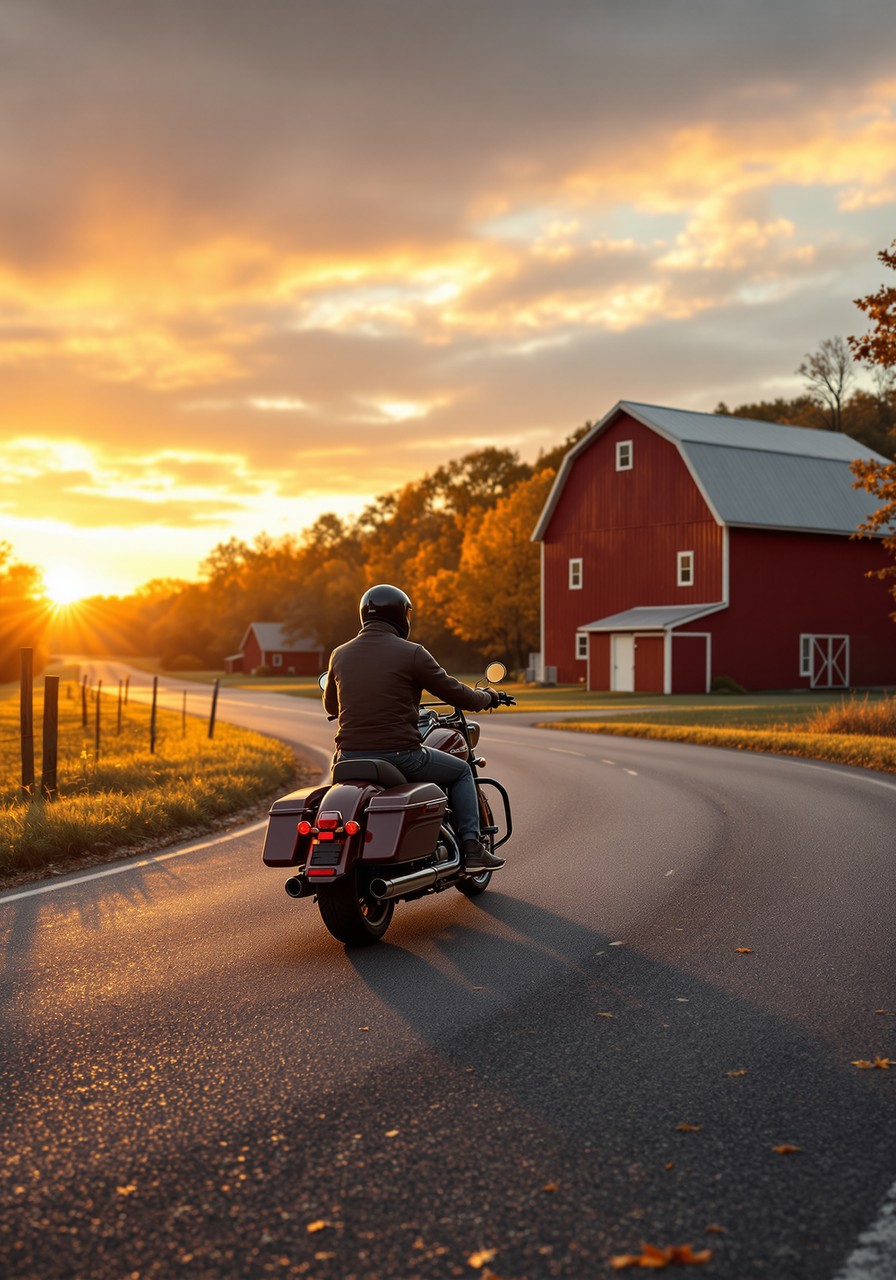
Black ice loves the bridge decks on I-80 and I-78 at dawn. If it was below freezing overnight, treat every span like it is wet. #RideNationNJ #NJRiders #MotorcycleRoads
Gear & New Iron
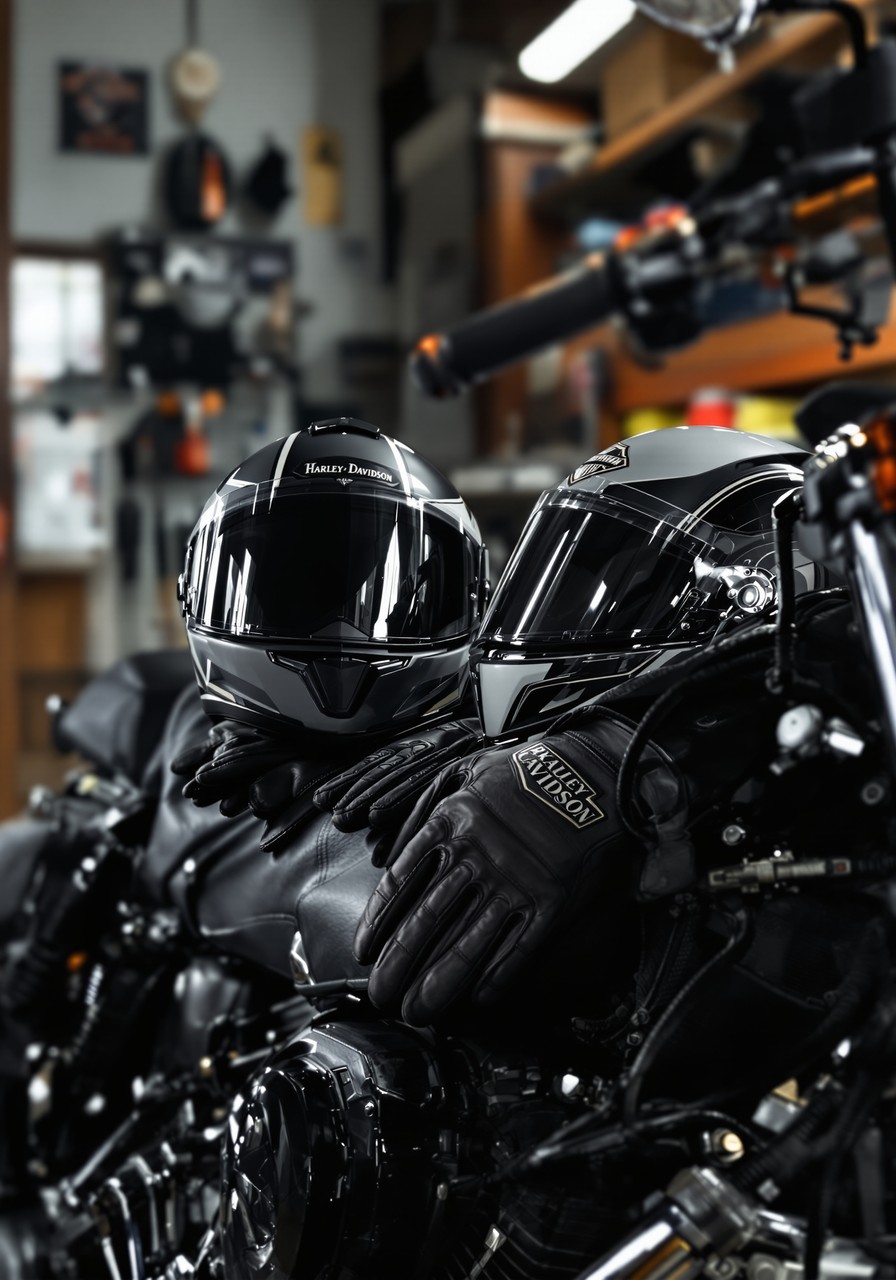
Cold air drops your tire pressure. A 20-degree fall can pull you a few psi low, so grab a gauge and set them cold before the first winter ride. #RideNationNJ #ColdWeatherRiding #MotorcycleMaintenance
Safety & NJ Law
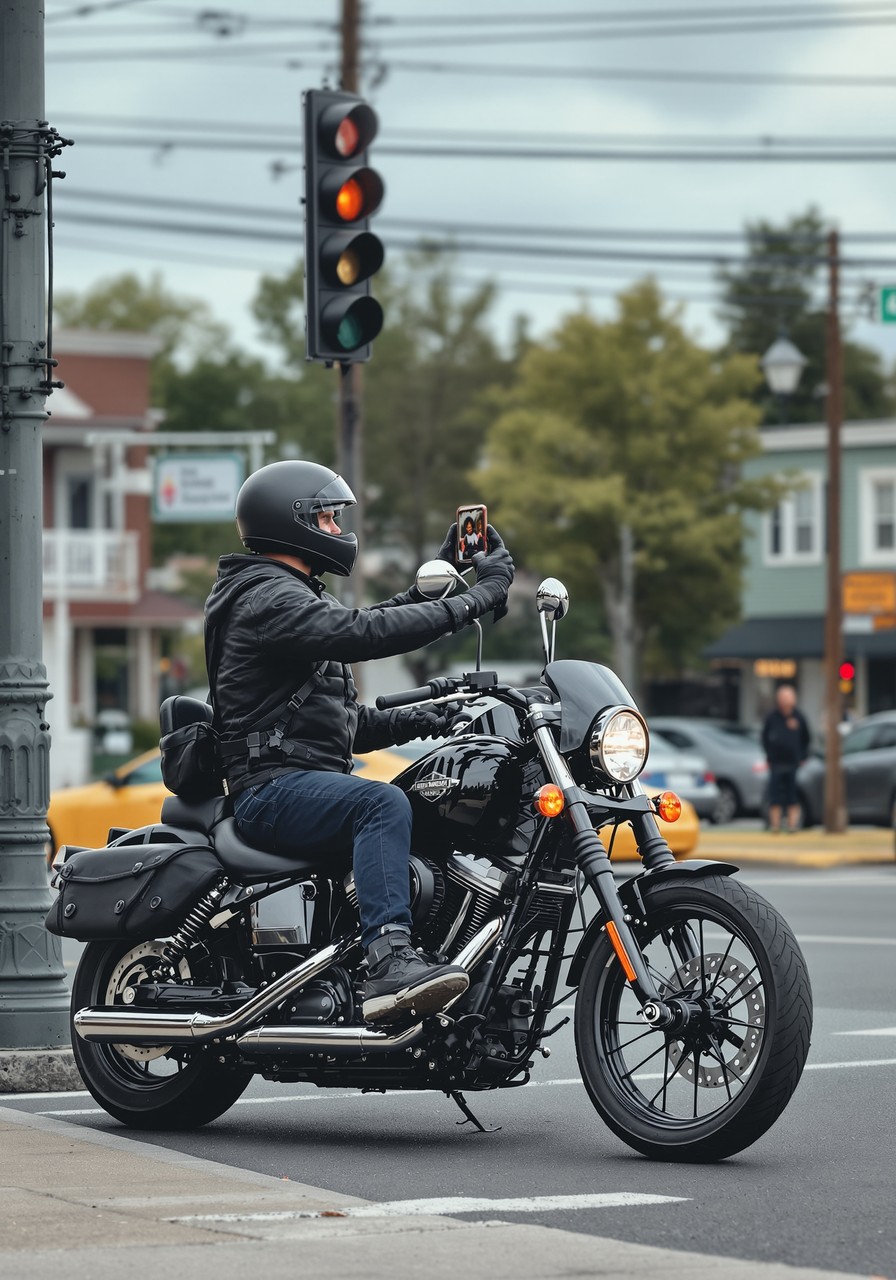
That car at the light is already looking past you for a gap. Cover your brakes through every Jersey intersection and be ready for the left turn that should not happen. #RideNationNJ #MotorcycleSafety #NewJerseyRiders
Engagement
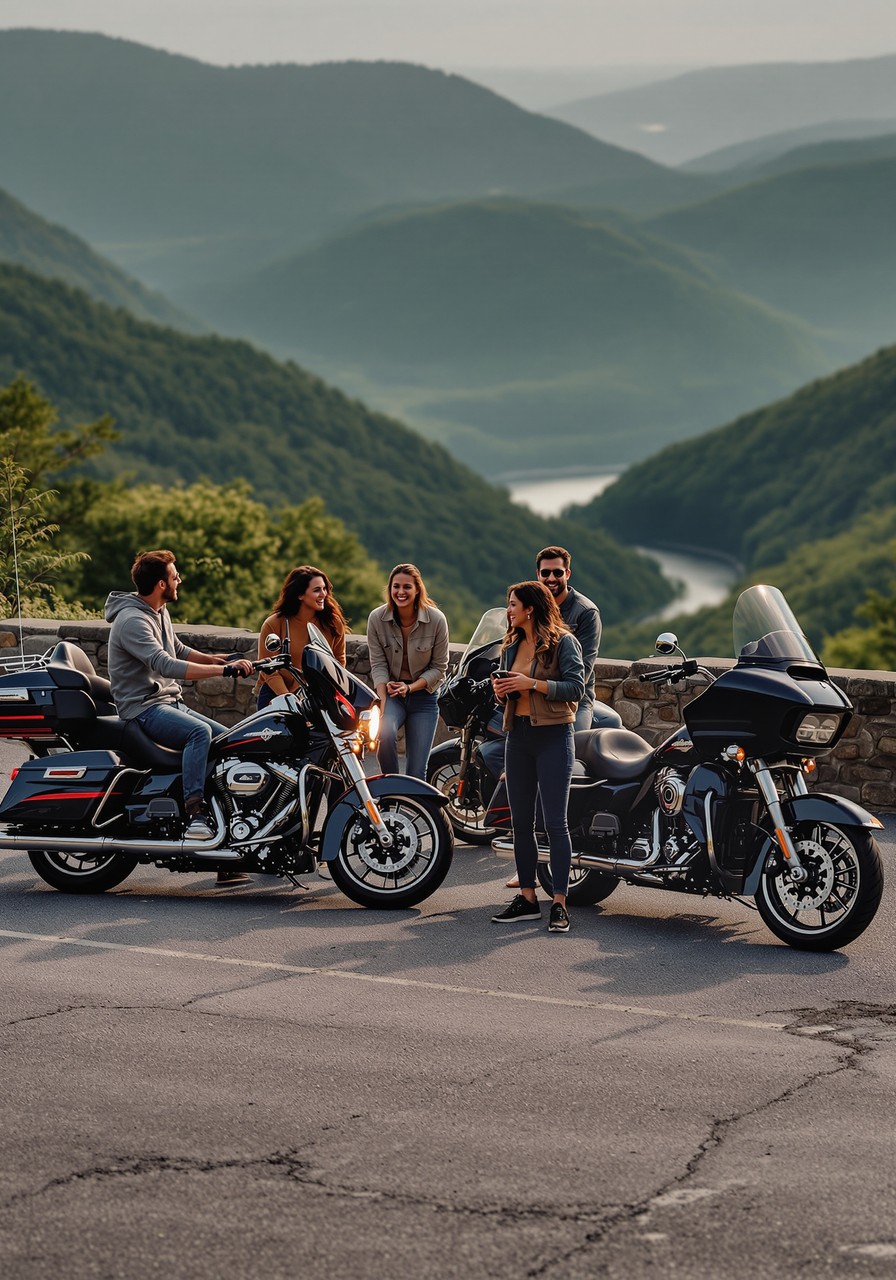
Tag your winter riding buddy, the one crazy enough to suit up at 38 degrees. #RideNationNJ #RideOrDie #GardenState
Giveaway & Countdown
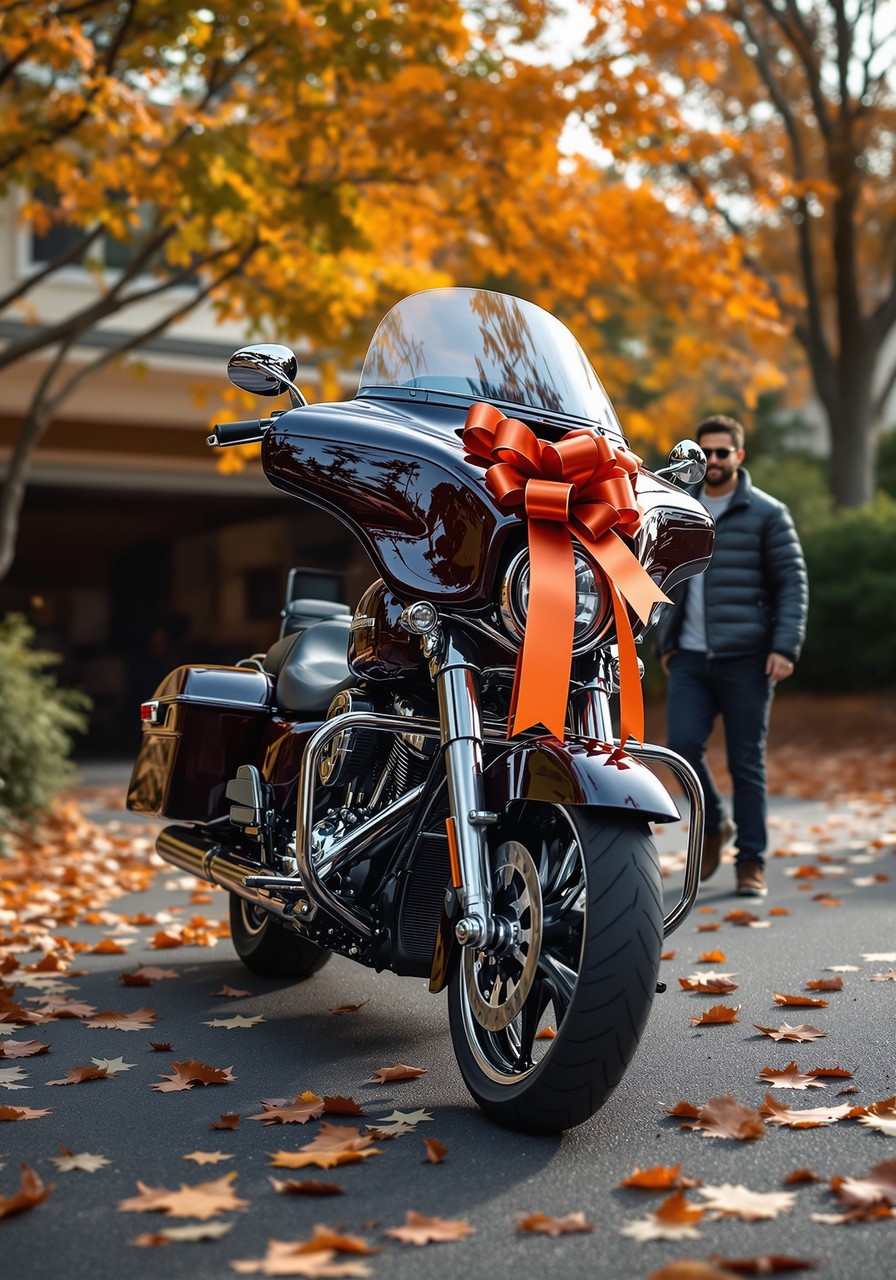
Winner energy only. Somebody from this community is walking away with $20,000, and it could be you. Stay tuned. #RideNationNJ #BikersWin #NJRiders
Local NJ & Rides
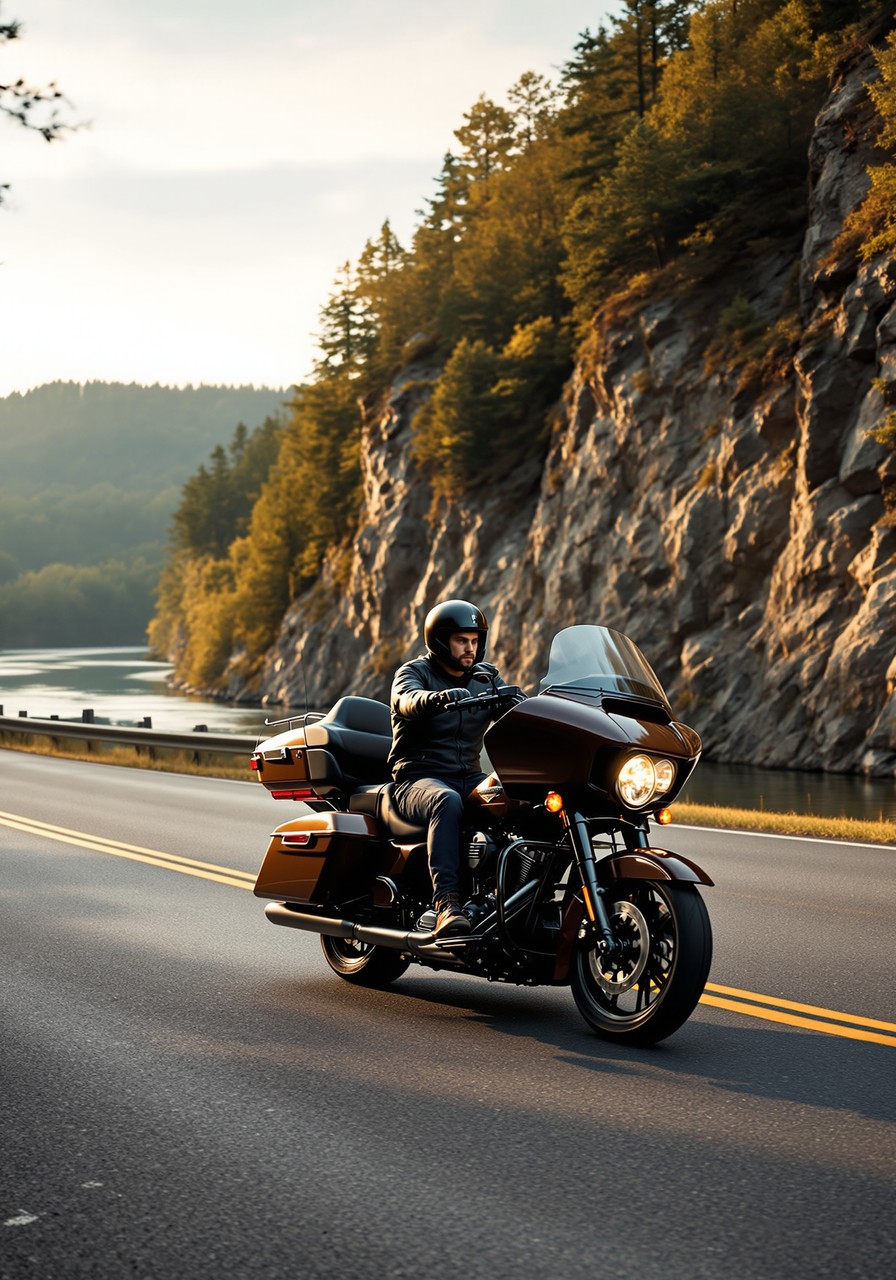
Chasing a blue-sky day in December is a Jersey rider tradition. Layer up, keep it local, and don't push a cold set of tires. #RideNationNJ #NJRiders #GardenState
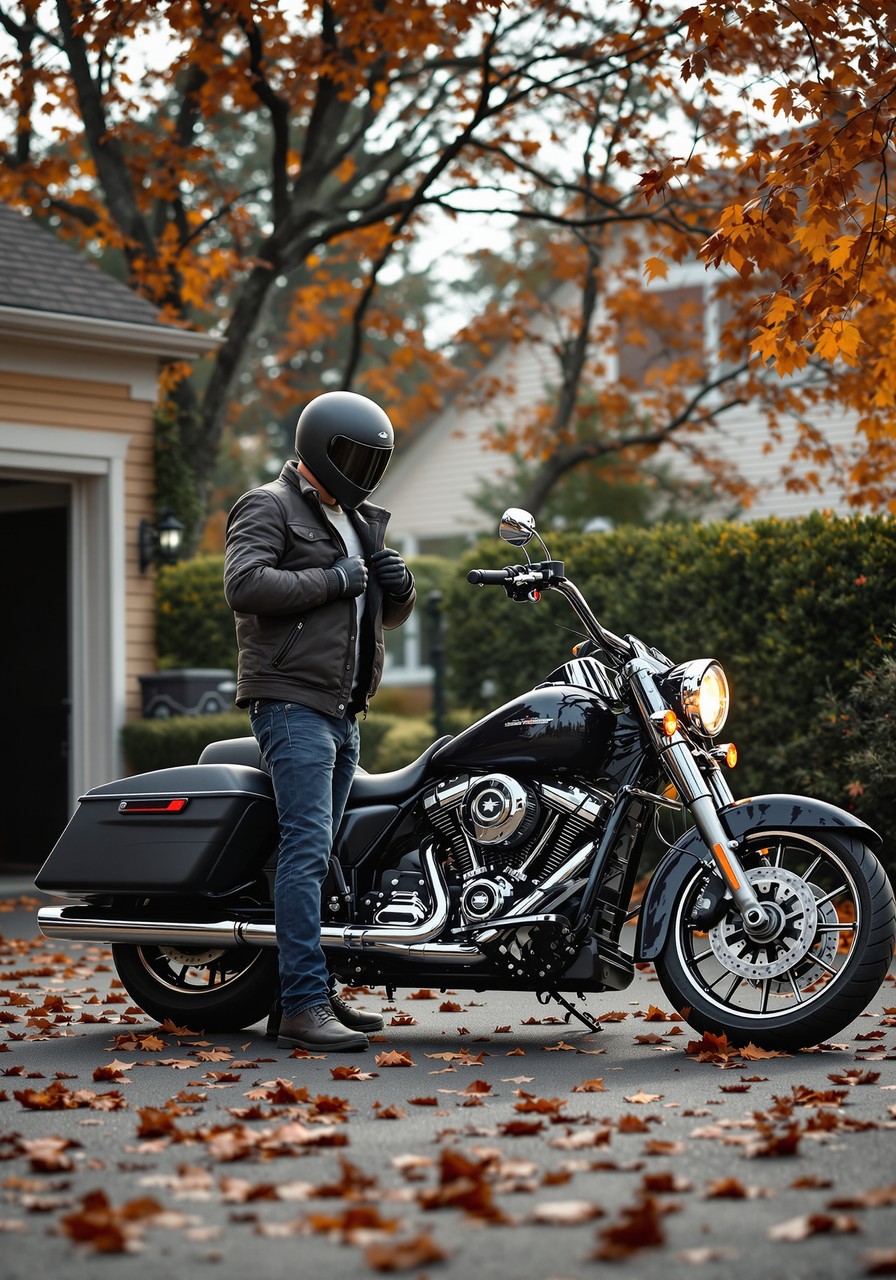
Gear & New Iron
Winter battery tip: a 30 dollar tender beats a dead battery in spring. Plug it in before the first hard freeze and forget about it. #RideNationNJ #MotorcycleMaintenance #ColdWeatherRiding
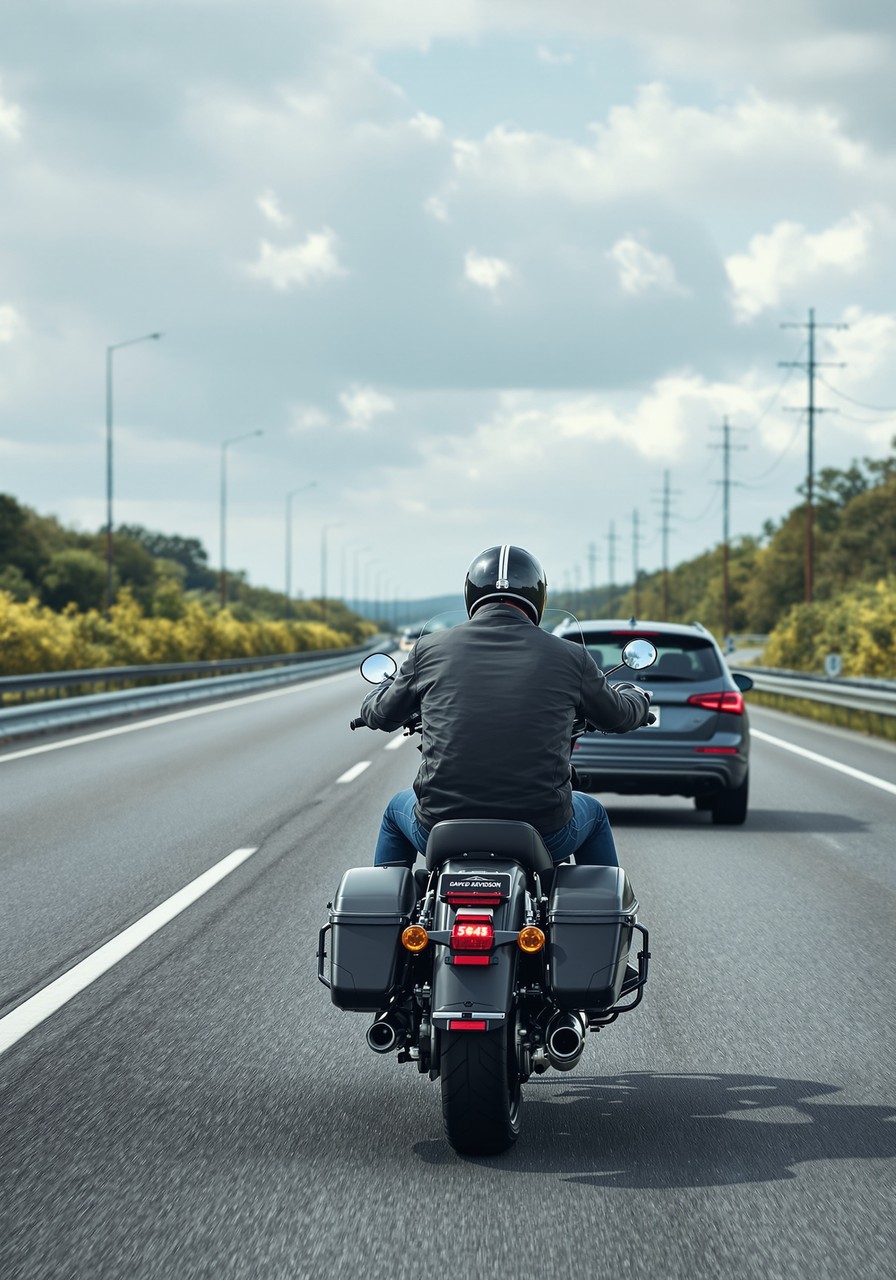
Safety & NJ Law
Gear up every ride, and remember New Jersey requires a DOT helmet for you and your passenger, always. A good helmet is protection and the law in one. If a crash still happens, call (855) 337-7062. #RideNationNJ #ATGATT #RiderRights
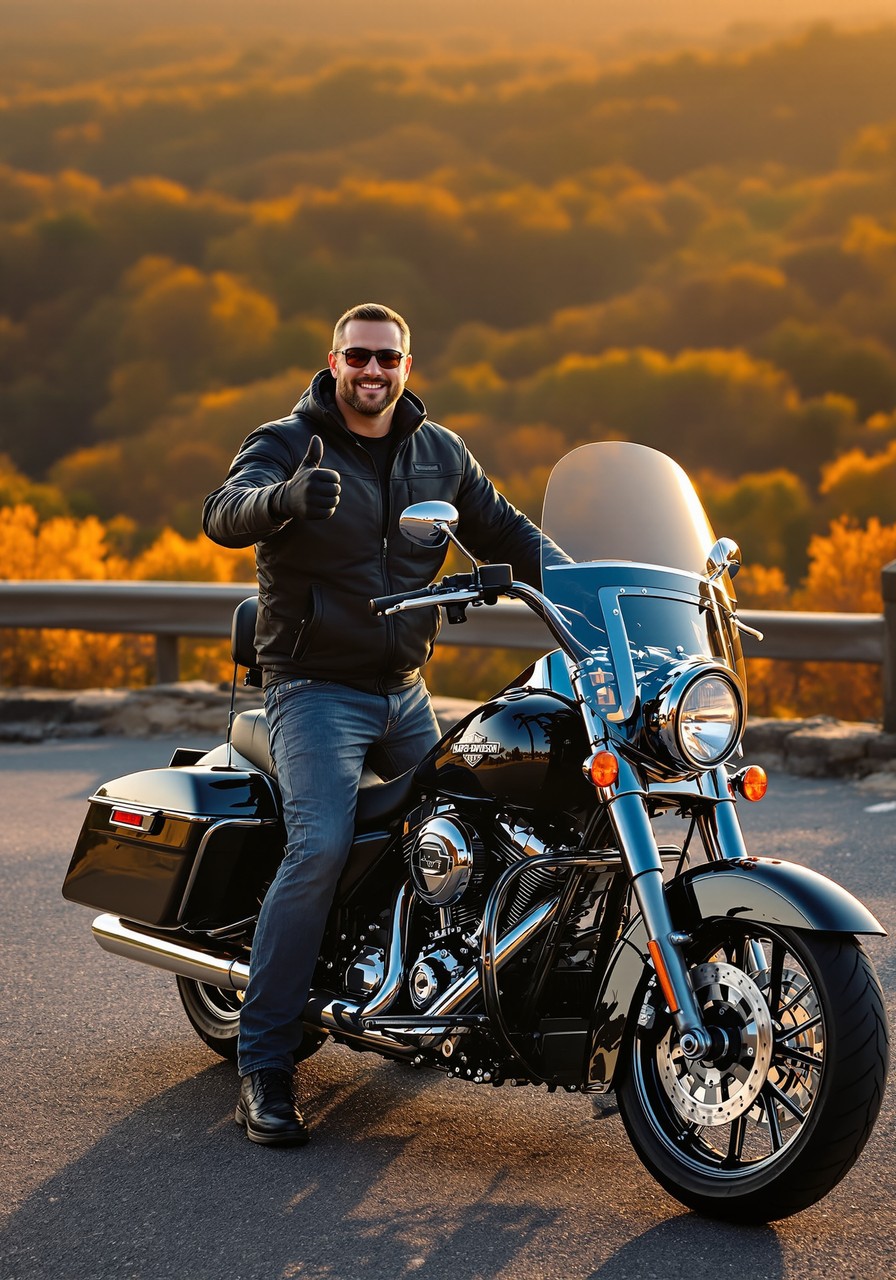
Engagement
Favorite Shore town to roll into on two wheels? Settle it in the comments. #RideNationNJ #JerseyShore #NJRiders
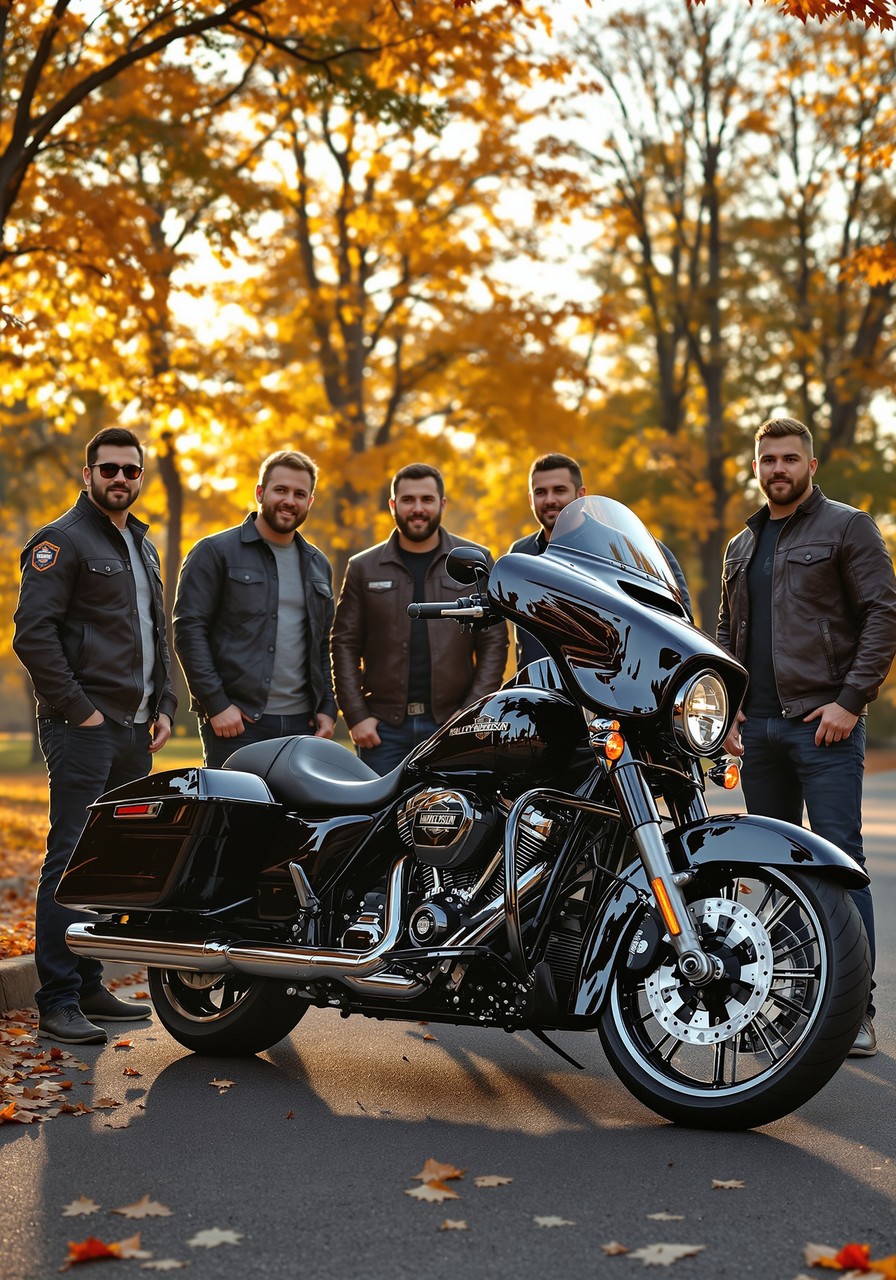
Giveaway & Countdown
Free case review equals one entry. Simple as that. Ask Garces, Grabler & LeBrocq how it works at (855) 337-7062. #RideNationNJ #20kGiveaway #GardenState
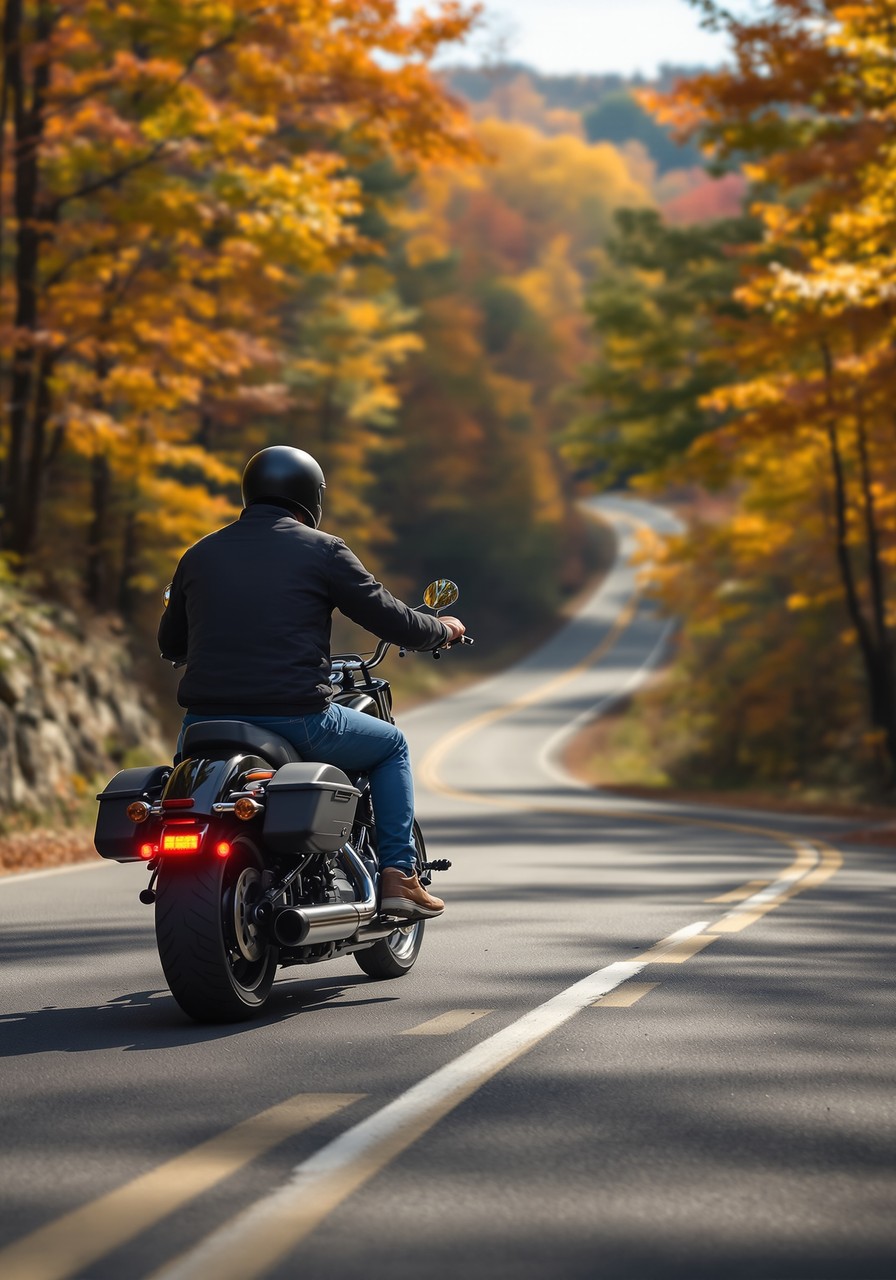
Local NJ & Rides
Spring plans start now. Pencil in the Gap for April and the Shore for May, then spend winter getting the bike right. #RideNationNJ #DelawareWaterGap #JerseyShore
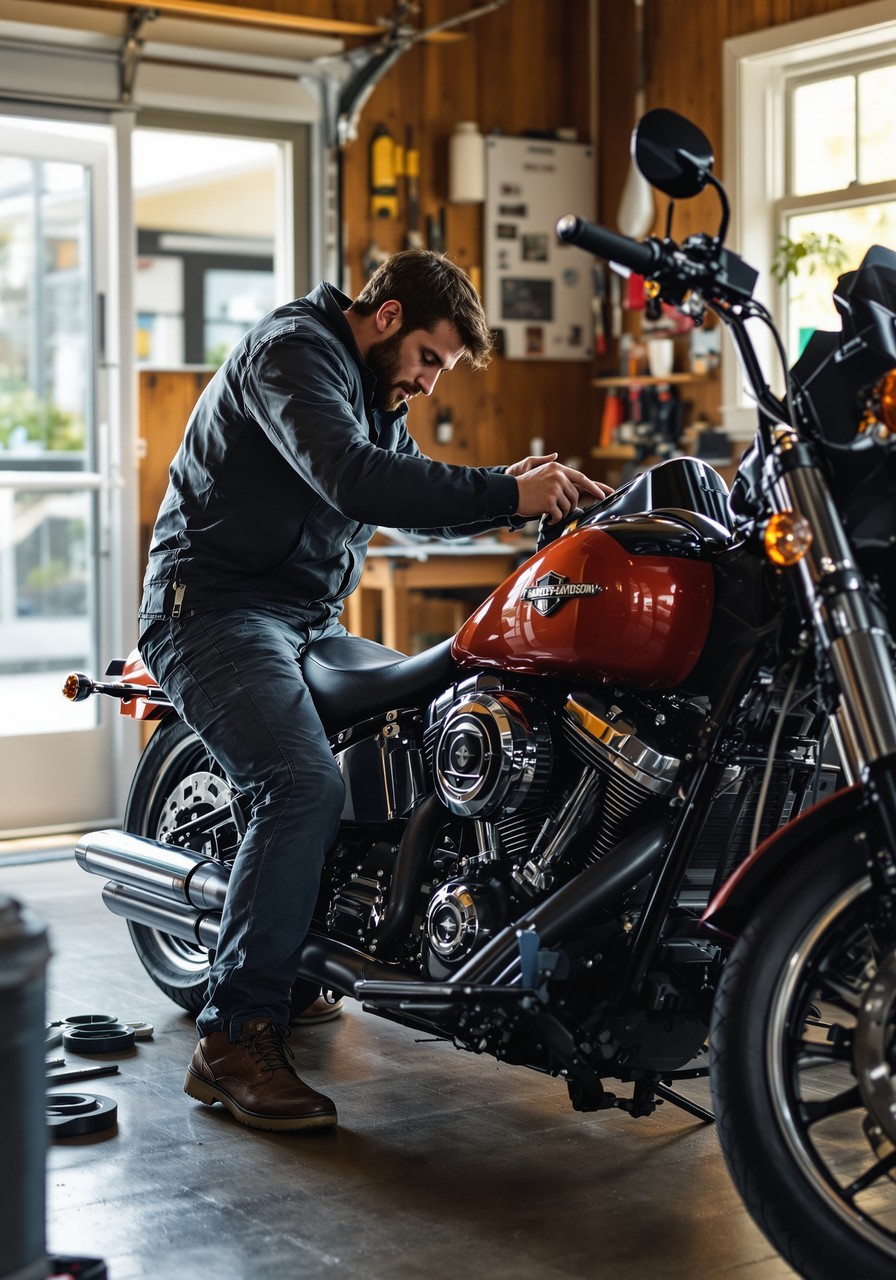
Gear & New Iron
A battery that sits all winter self-discharges and sulfates. A smart tender keeps it topped and doubles its life. Set it and walk away. #RideNationNJ #MotorcycleMaintenance #RiderTips
Safety & NJ Law
Even if you were partly at fault in New Jersey, you can still recover as long as you were not more than 50 percent to blame. Do not talk yourself out of a claim before you know the rules. #RideNationNJ #KnowYourRights #NJRiders
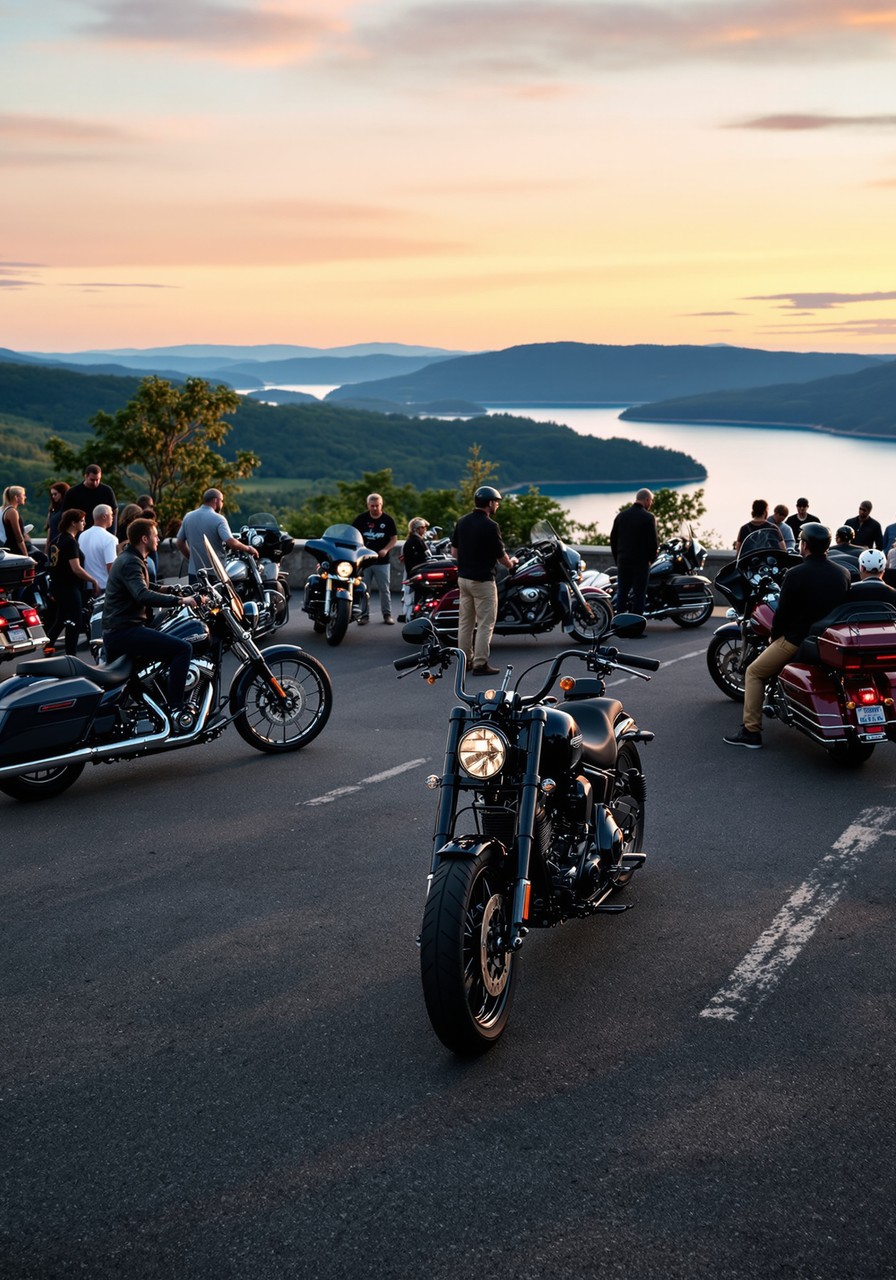
Engagement
Fill in the blank: the sound of my bike waking up after winter is ______. #RideNationNJ #GardenState #TwoWheels
Giveaway & Countdown
Countdown check, Jersey. The BikersWin $20,000 giveaway is still open and your buddies are still not entered. Fix that today. #RideNationNJ #MotorcycleGiveaway #NJRiders
Local NJ & Rides
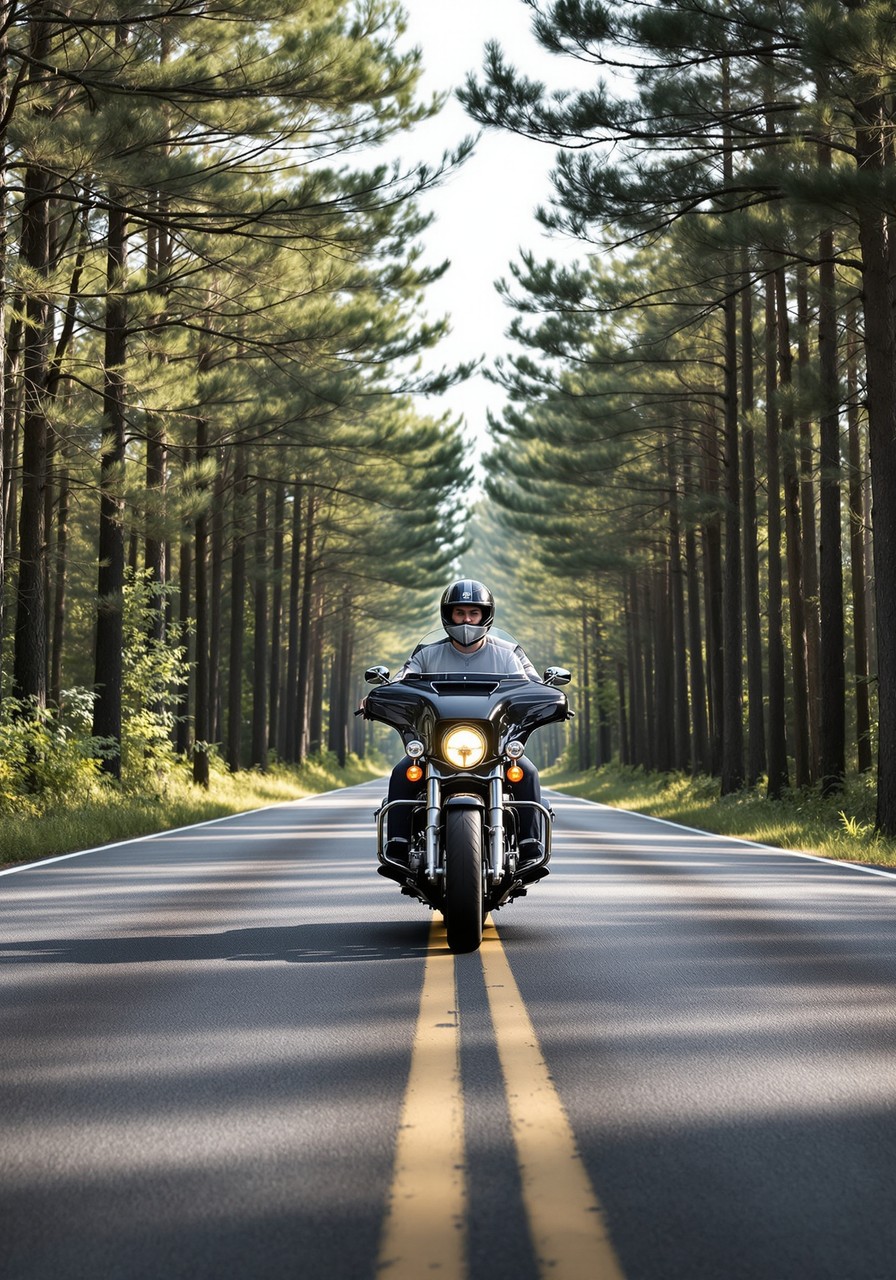
The Batona Trail area in the Pine Barrens is all pines and sky. Fuel up before you go, because services get thin out there. #RideNationNJ #PineBarrens #NJRiders
Gear & New Iron
Brake fluid soaks up water over time and that lowers its boiling point. If you cannot remember your last flush, put a fluid change on the list. #RideNationNJ #MotorcycleMaintenance #RiderTips
Safety & NJ Law
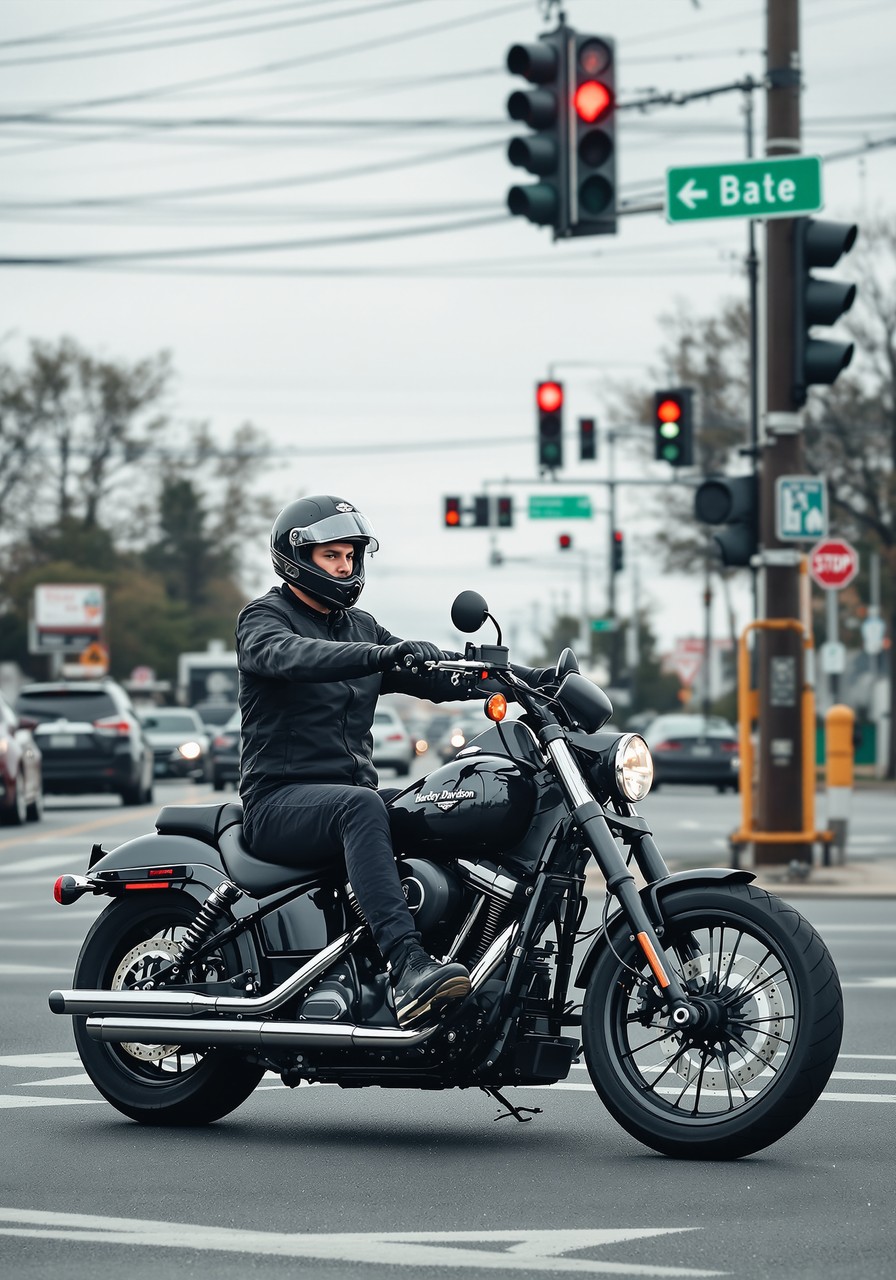
The clock on a New Jersey injury claim is usually two years from the crash. Evidence fades and witnesses move, so earlier is always stronger. Start with a free case review or call Garces, Grabler & LeBrocq at (855) 337-7062. #RideNationNJ #RiderRights #NewJerseyRiders
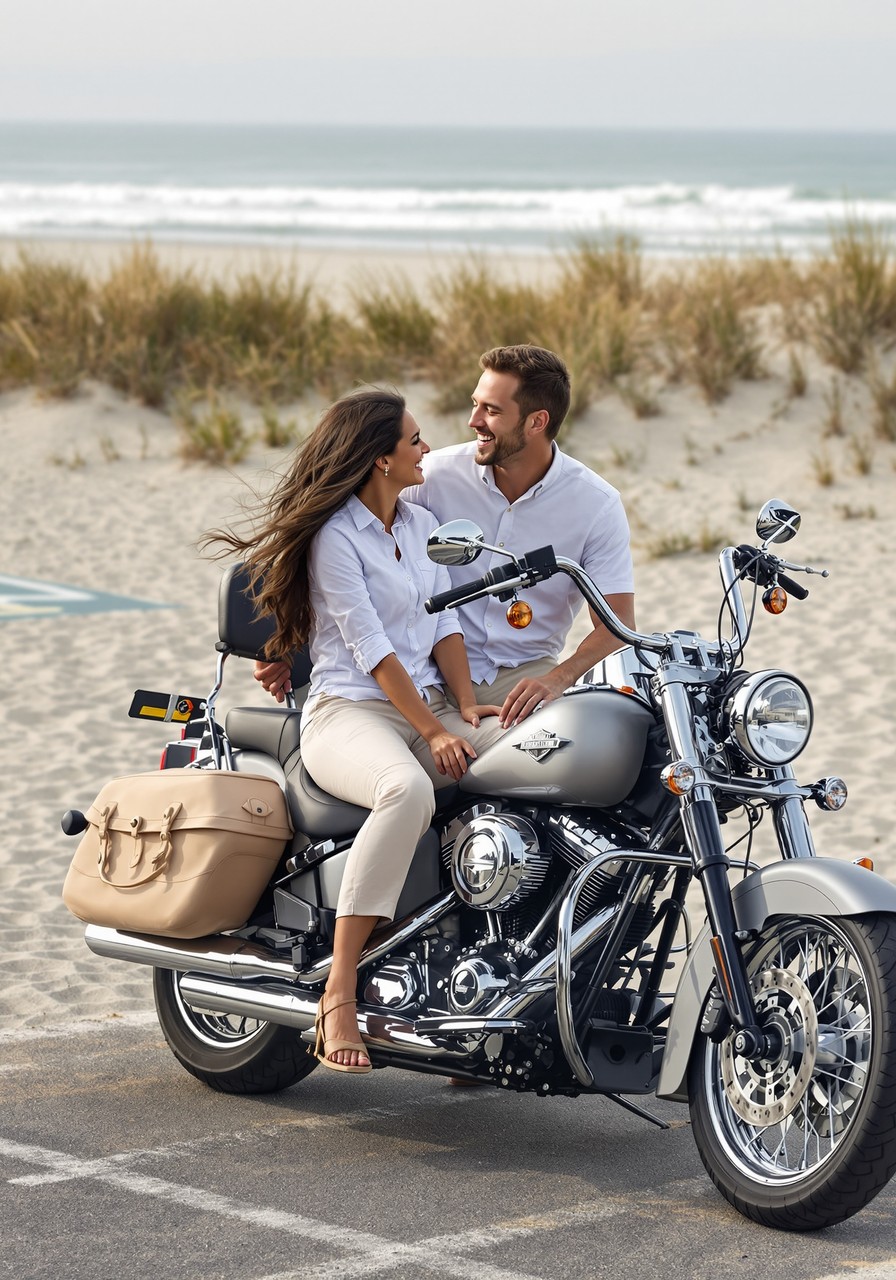
Engagement
Poll: do you name your bike? Yes and drop the name, or no and tell us why. #RideNationNJ #NJRiders #RideOrDie
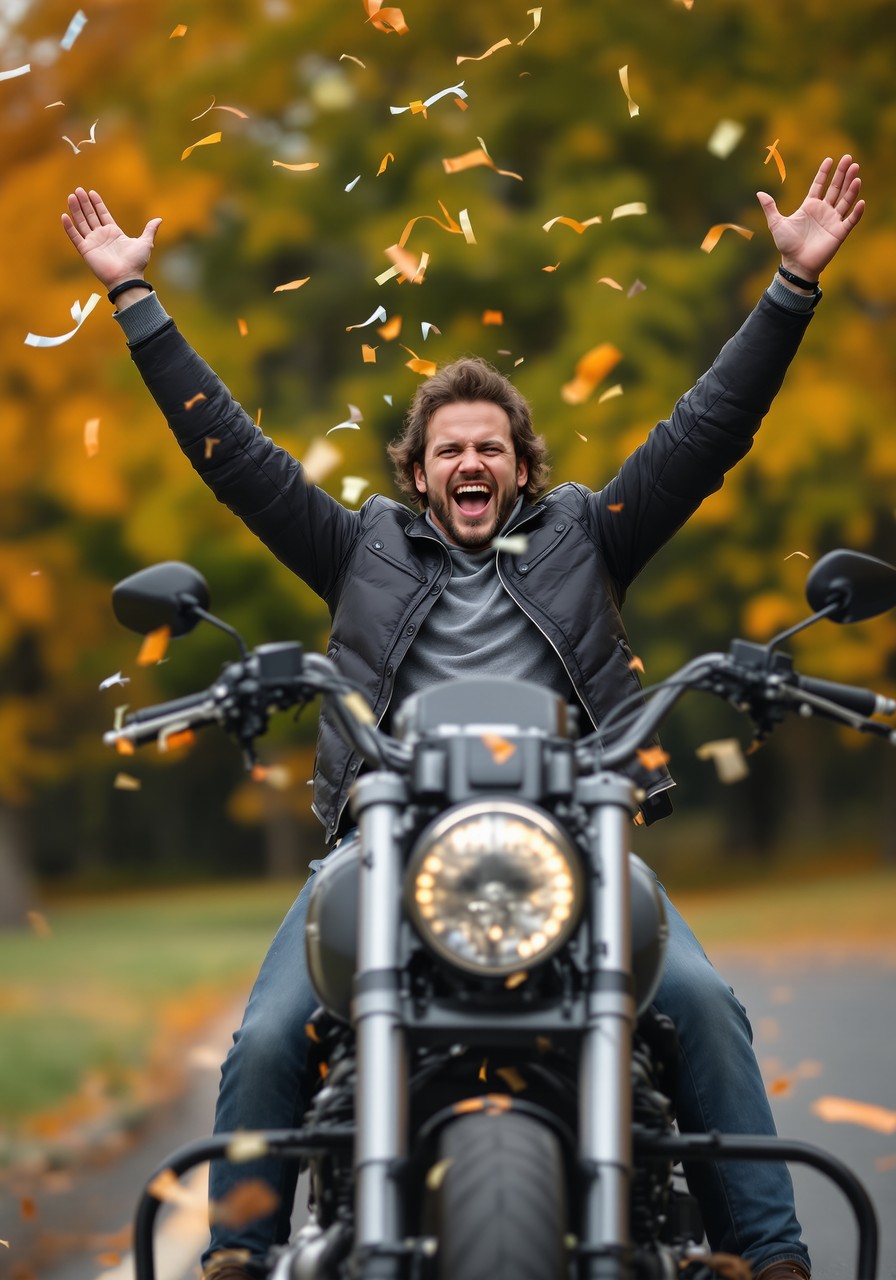
Giveaway & Countdown
No purchase. No pressure. Just talk to us about your crash and you are in the running for $20,000. Call (855) 337-7062 to get started. #RideNationNJ #BikersWin #NewJerseyRiders
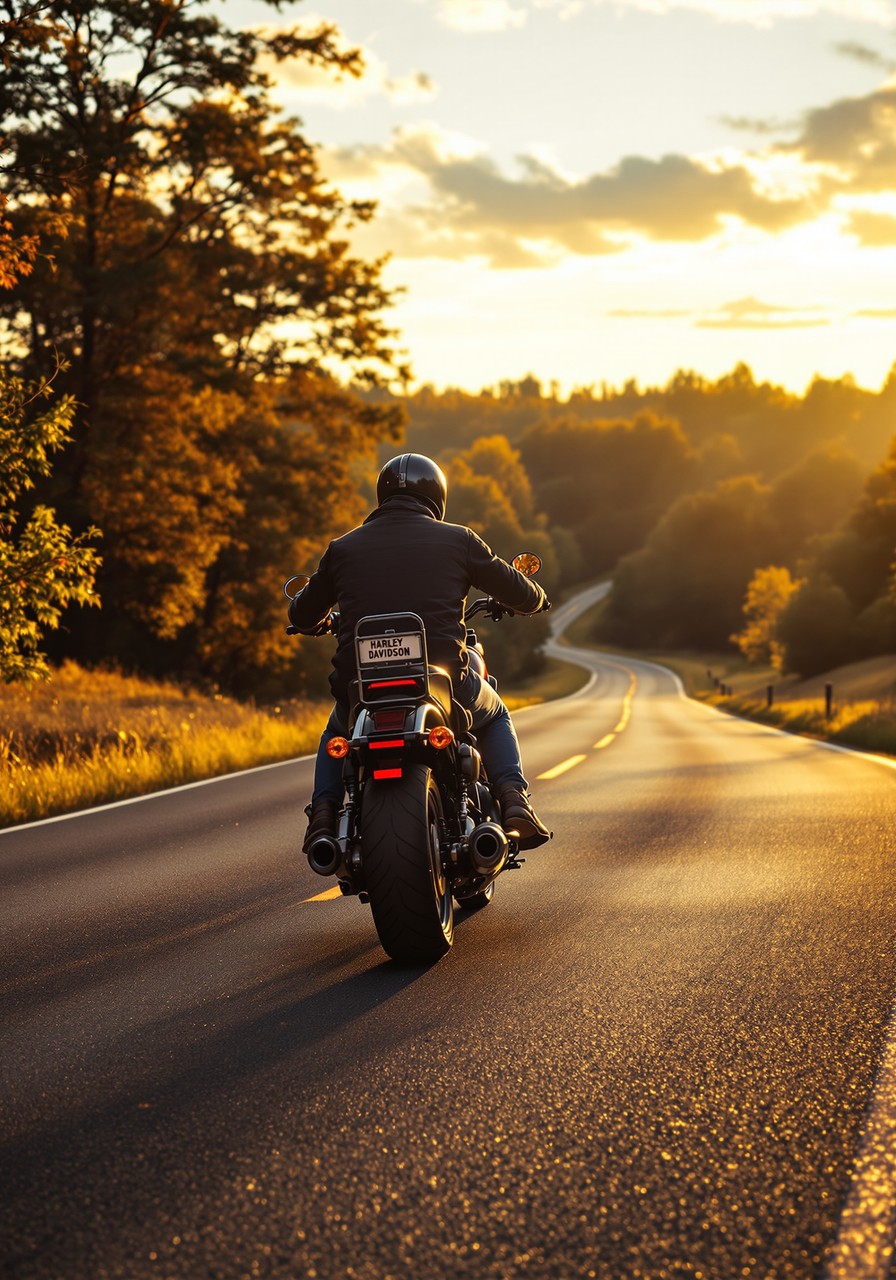
Local NJ & Rides
Route 9 down the coast is your slow, scenic way to the shore towns. Skip the Parkway crush and take your time through the marshes. #RideNationNJ #JerseyShore #NJRiders
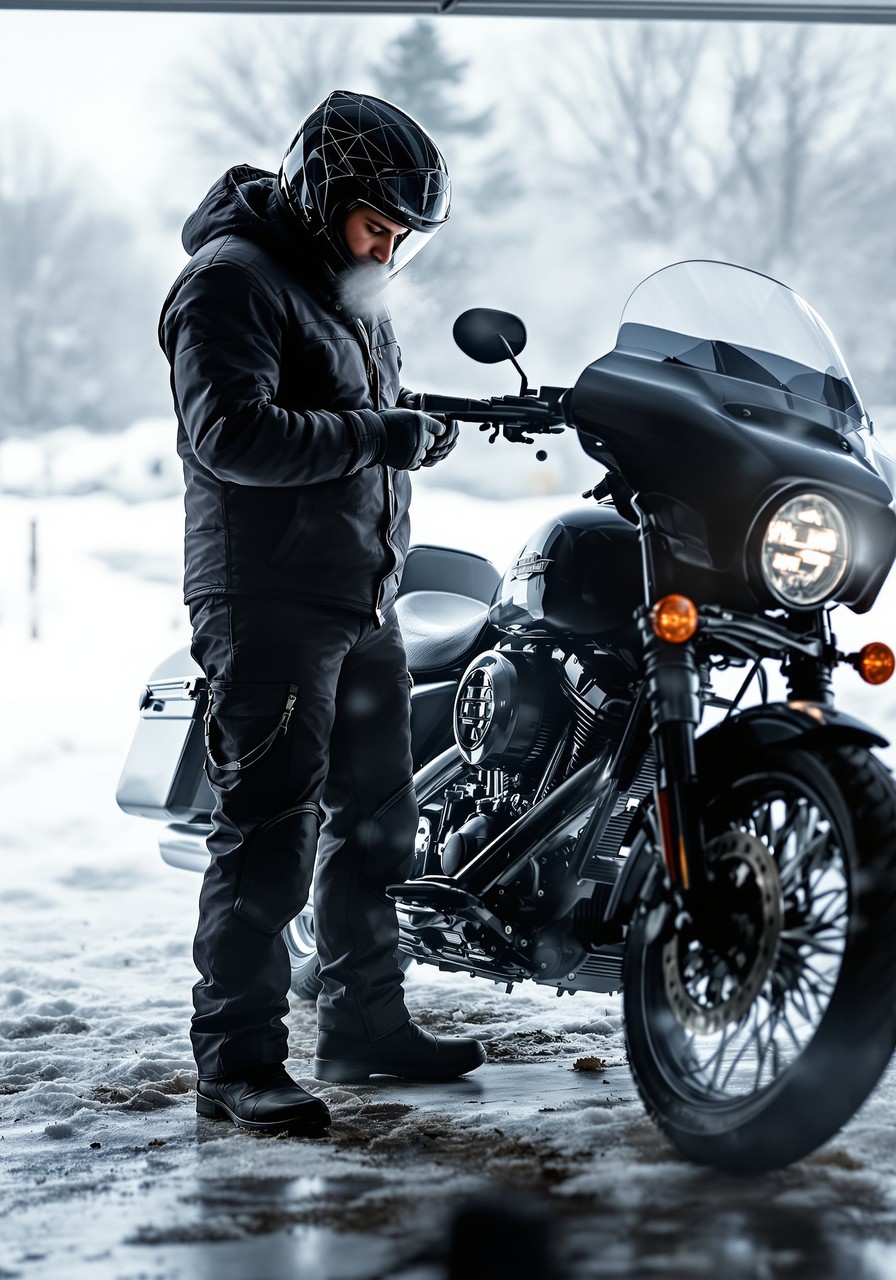
Gear & New Iron
A spongy lever is a warning, not a quirk. Air or old fluid in the lines means less bite when you need it. Bleed it or get it bled. #RideNationNJ #MotorcycleMaintenance #RiderTips
Safety & NJ Law
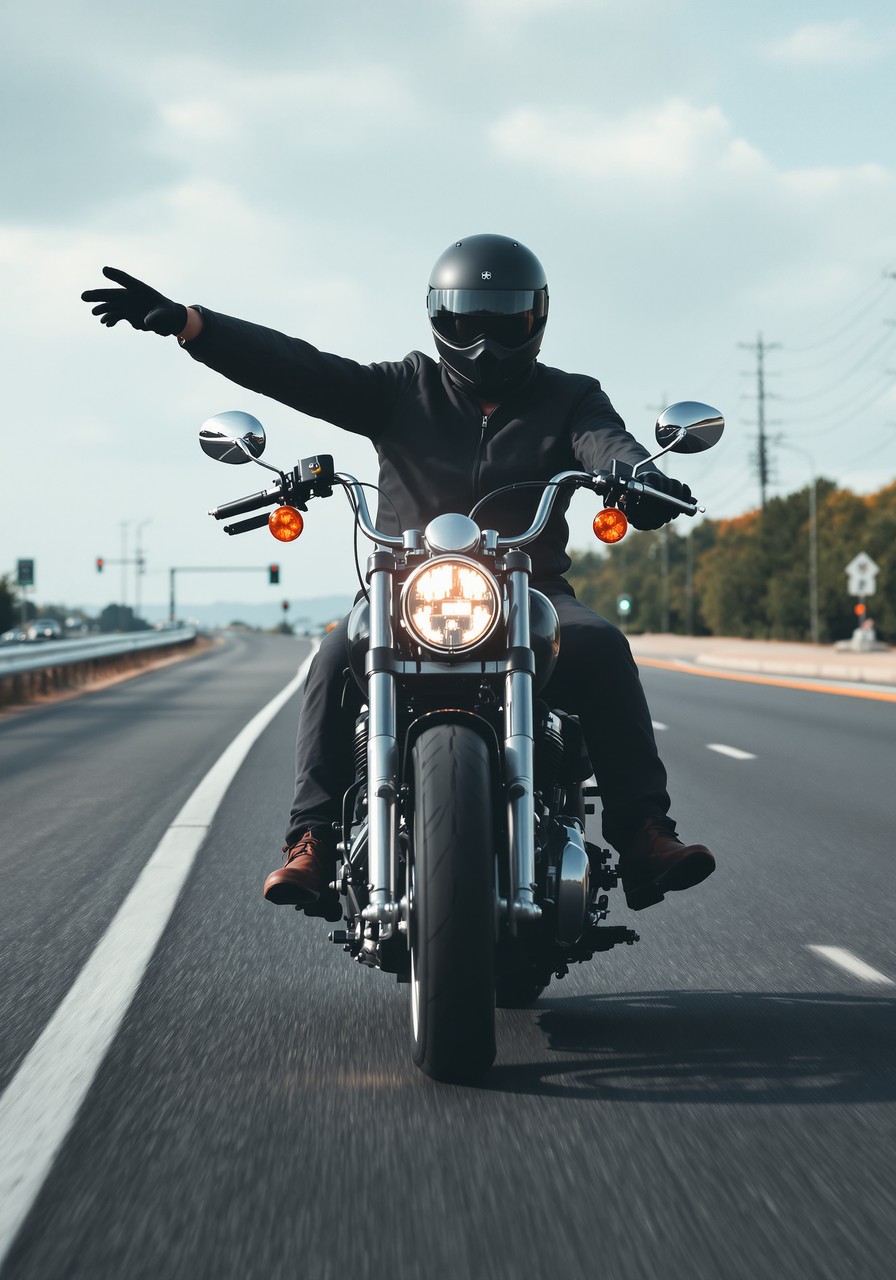
Jughandles confuse plenty of drivers, and a confused driver next to a motorcycle is a hazard. Give them room, expect the wrong move, and set up early. #RideNationNJ #MotorcycleSafety #GardenState
Engagement
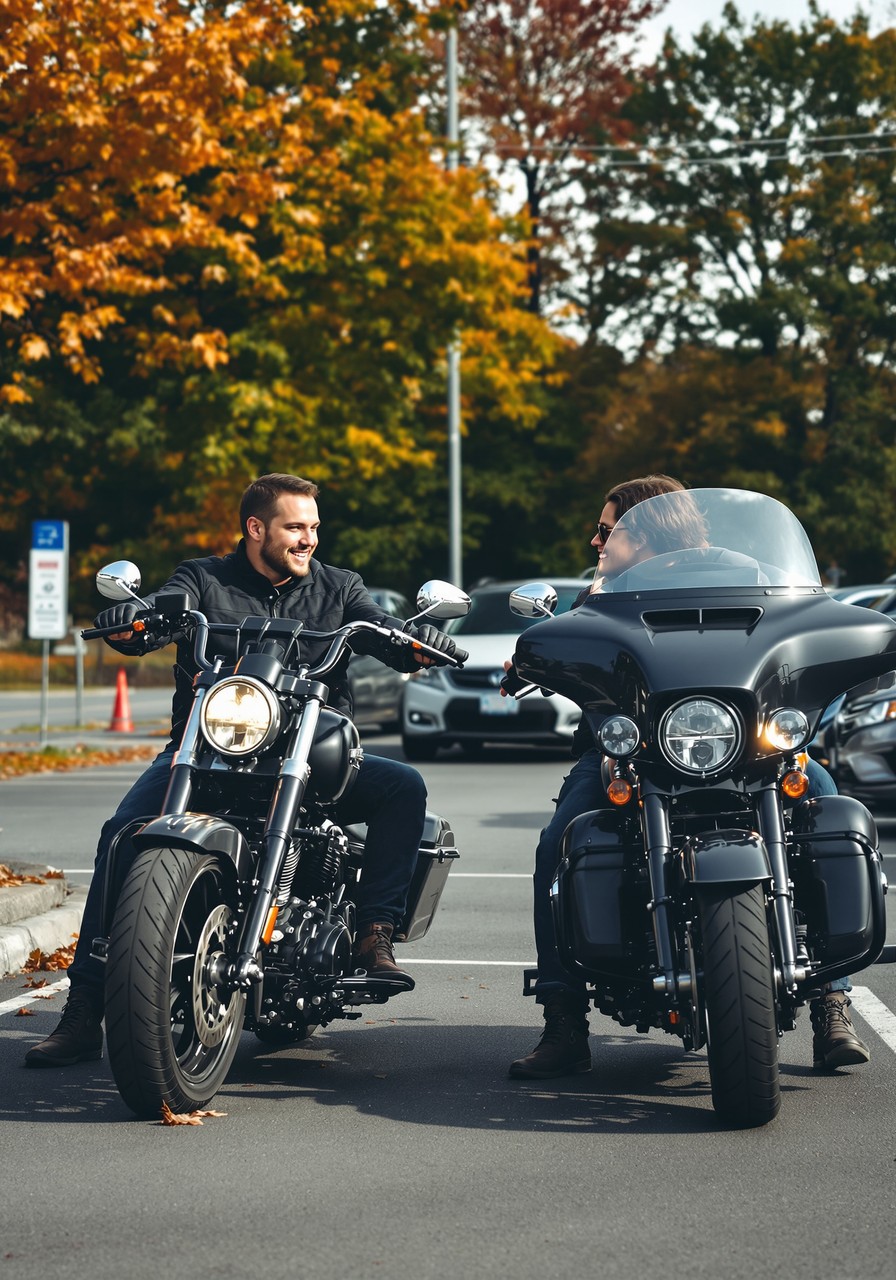
This or that: twisties through the Water Gap, or long straight miles down the Parkway to clear your head. #RideNationNJ #DelawareWaterGap #NewJerseyRiders
Giveaway & Countdown
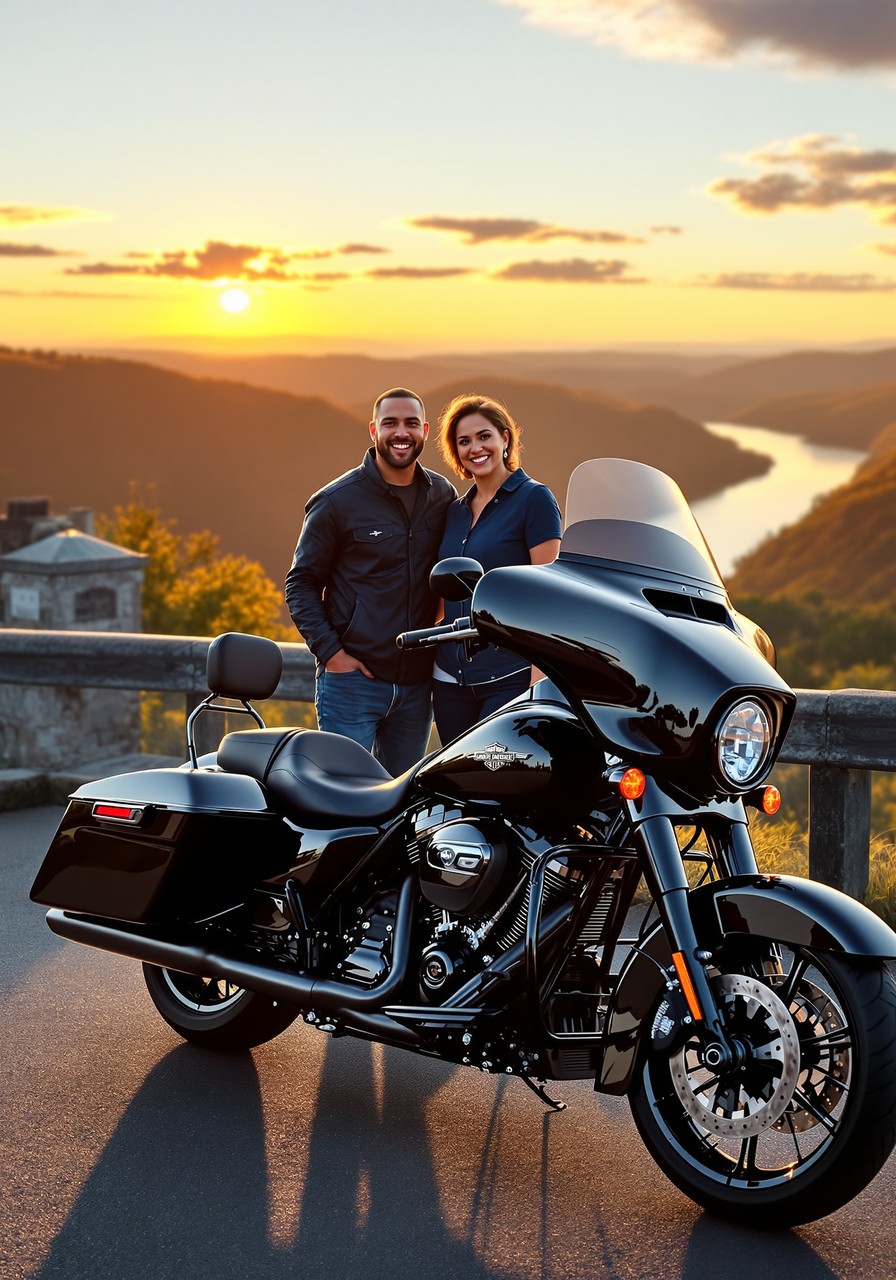
Twenty thousand reasons to share this post. Tag two riders who need to be in on it. #RideNationNJ #20kGiveaway #GardenState
Local NJ & Rides
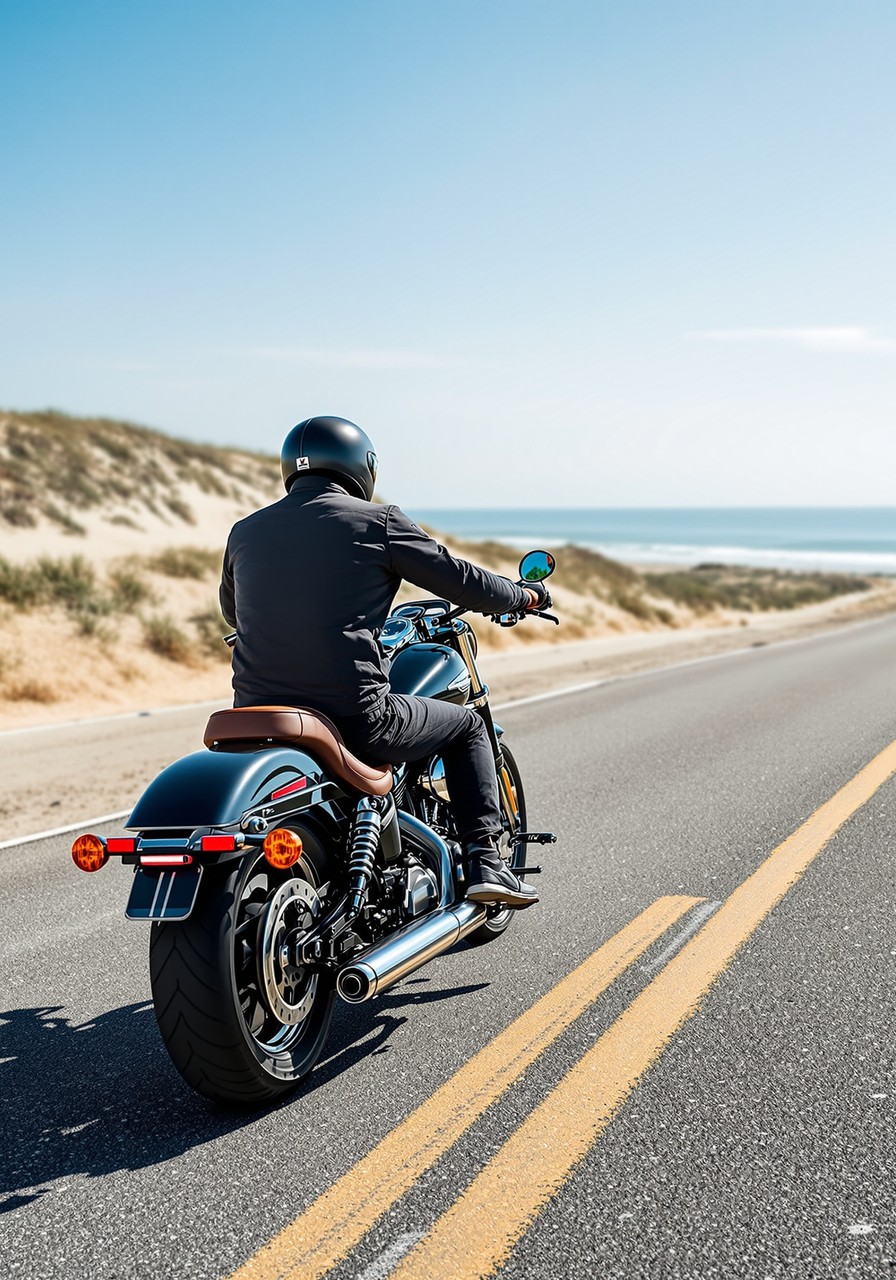
Bike night season means parking lots full of chrome and good talk. Check your local shop's board and roll out with the group. #RideNationNJ #NJRiders #NewJerseyRiders
Gear & New Iron
Chain care is cheap insurance. Clean it, lube it warm, and check the slack in the manual. A dry or tight chain wears the sprockets and snaps at the worst time. #RideNationNJ #MotorcycleMaintenance #BikerLife
Safety & NJ Law
Crash caused by a pothole nobody fixed or a government vehicle? New Jersey gives you only 90 days to file a Tort Claims Act notice against a public entity. Call (855) 337-7062 before that door closes. #RideNationNJ #KnowYourRights #NJRiders
Engagement
Caption this: a lone helmet on the bench and a wide open Pine Barrens road ahead. #RideNationNJ #PineBarrens #TwoWheels
Giveaway & Countdown
Questions about your wreck? Get them answered for free and land your entry in the same call. Reach us at (855) 337-7062. #RideNationNJ #MotorcycleGiveaway #NJRiders
Local NJ & Rides
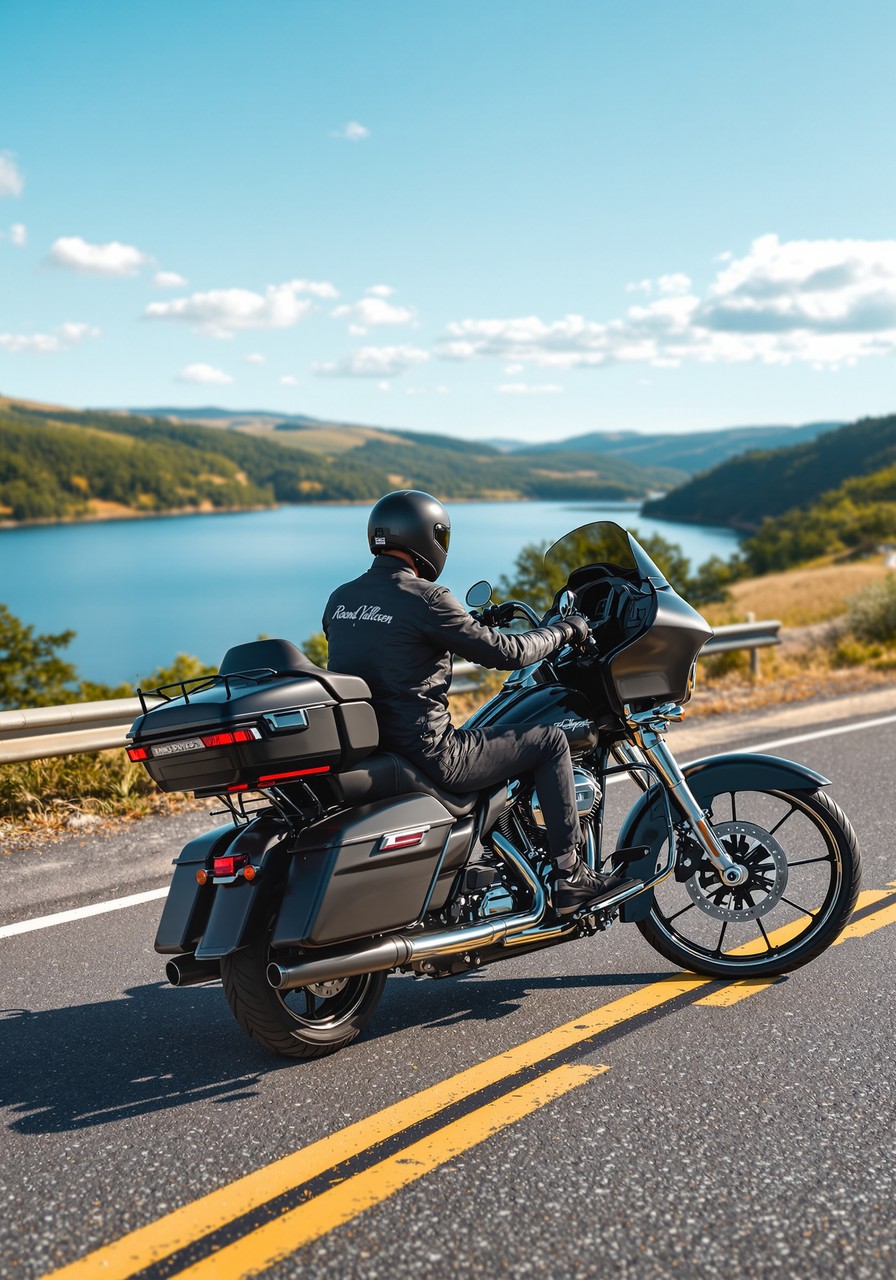
The Garden State Parkway is fast but it is not a ride, it is a commute. Save the fun for the county roads that feed off it. #RideNationNJ #GardenState #NJRiders
Gear & New Iron
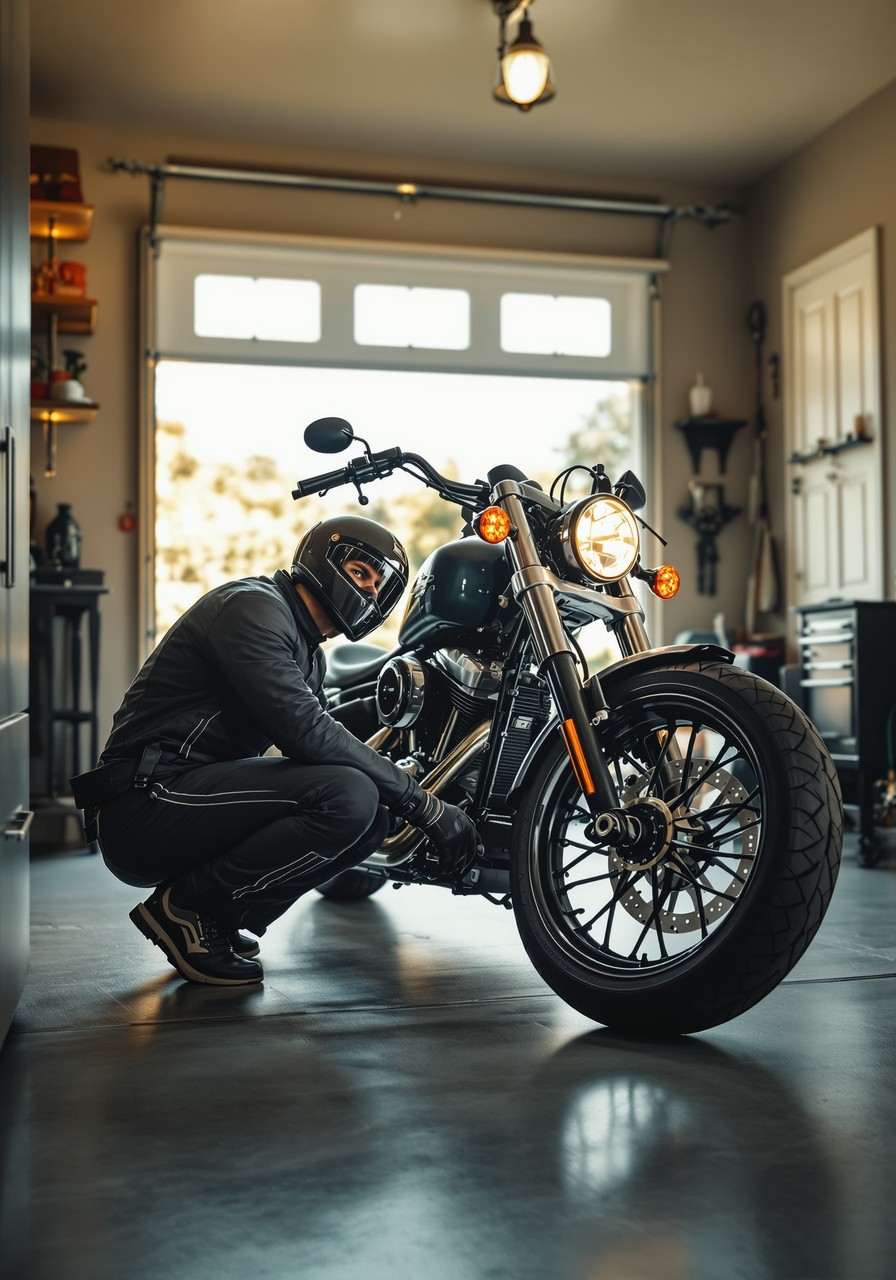
Adjust chain slack to the number in your manual, not by feel. Too tight stresses the countershaft, too loose can jump the sprocket. #RideNationNJ #MotorcycleMaintenance #RiderTips
Safety & NJ Law
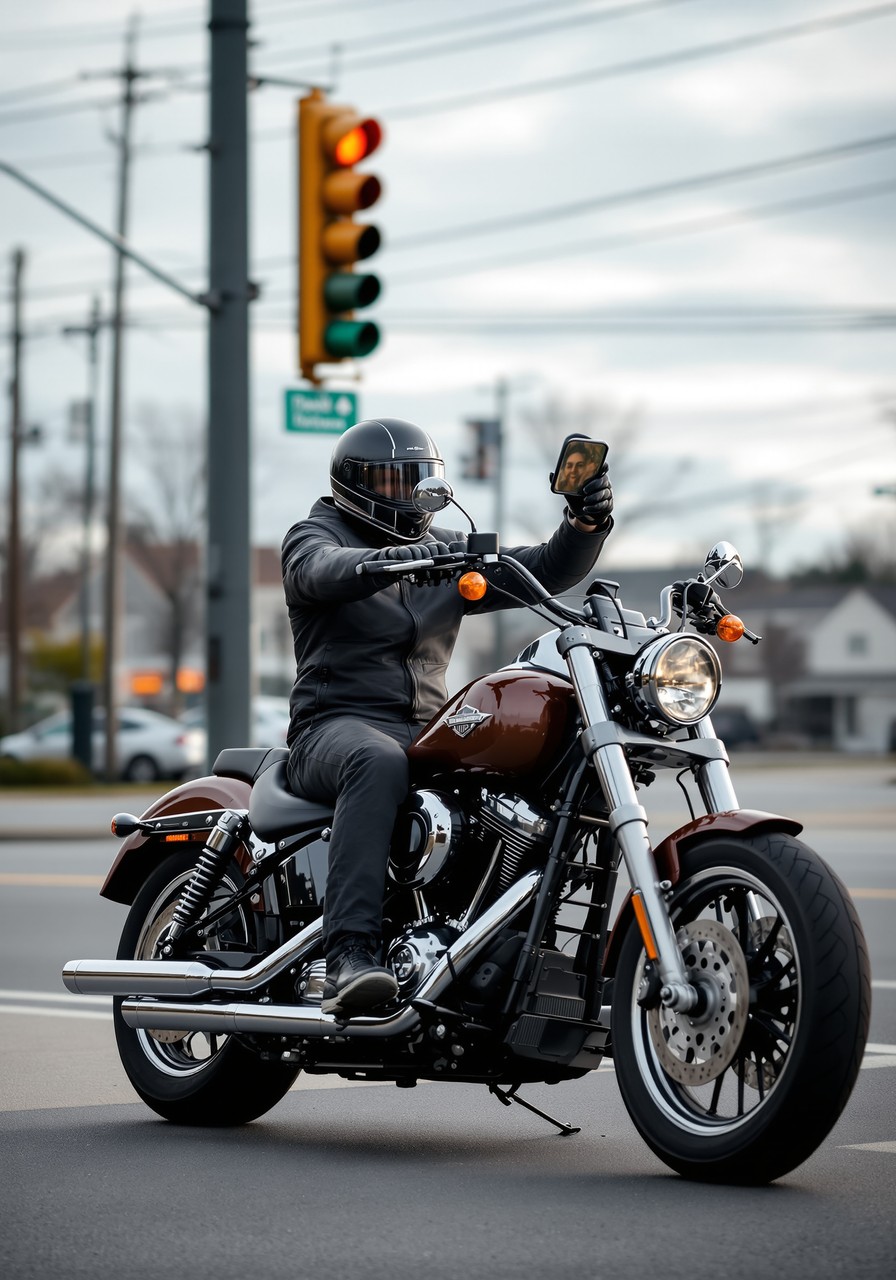
Bridge decks and overpasses freeze first and thaw last. On cold Jersey mornings, ease off the throttle and stay smooth across every span. #RideNationNJ #MotorcycleSafety #NewJerseyRiders
Engagement
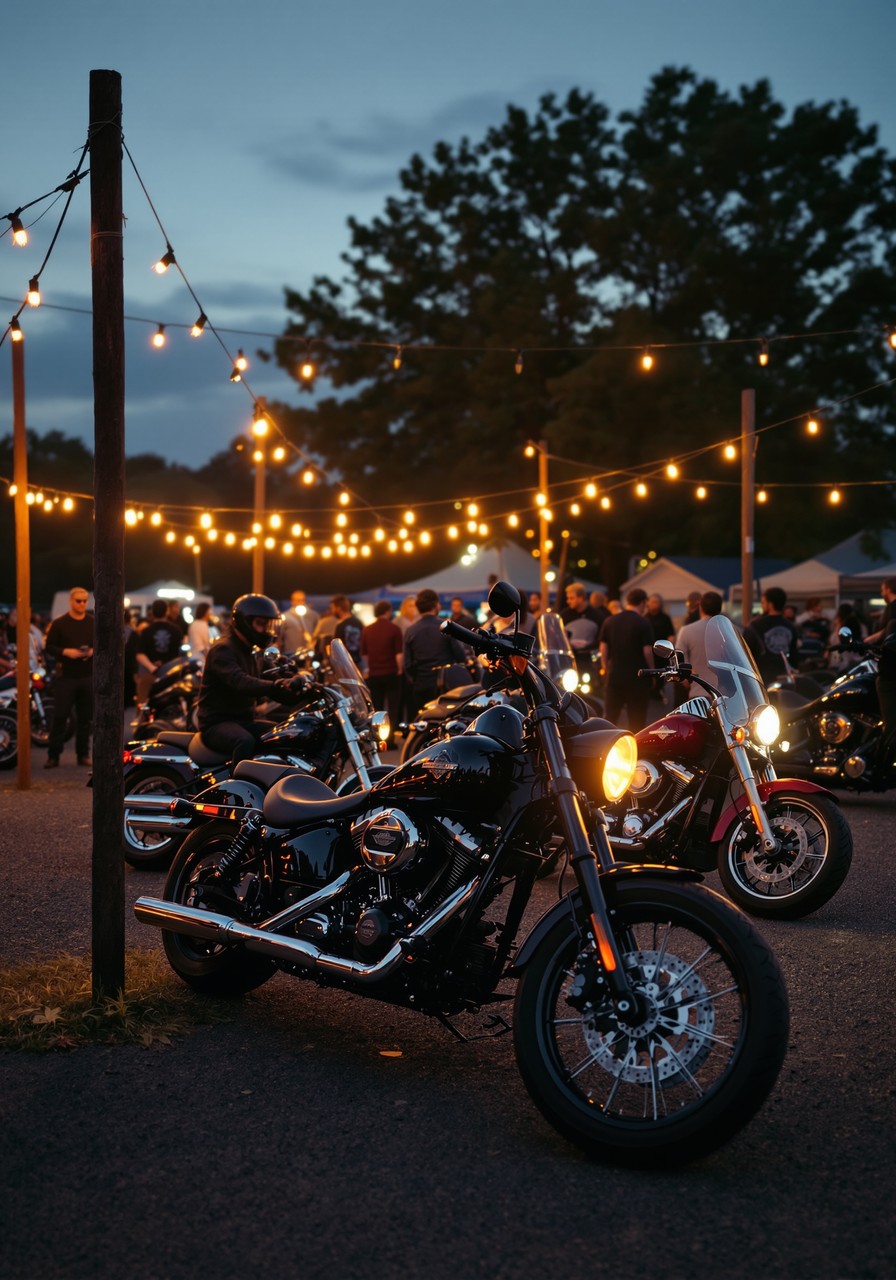
One song that has to be in your head when you ride. Drop it below. #RideNationNJ #NJRiders #RideOrDie
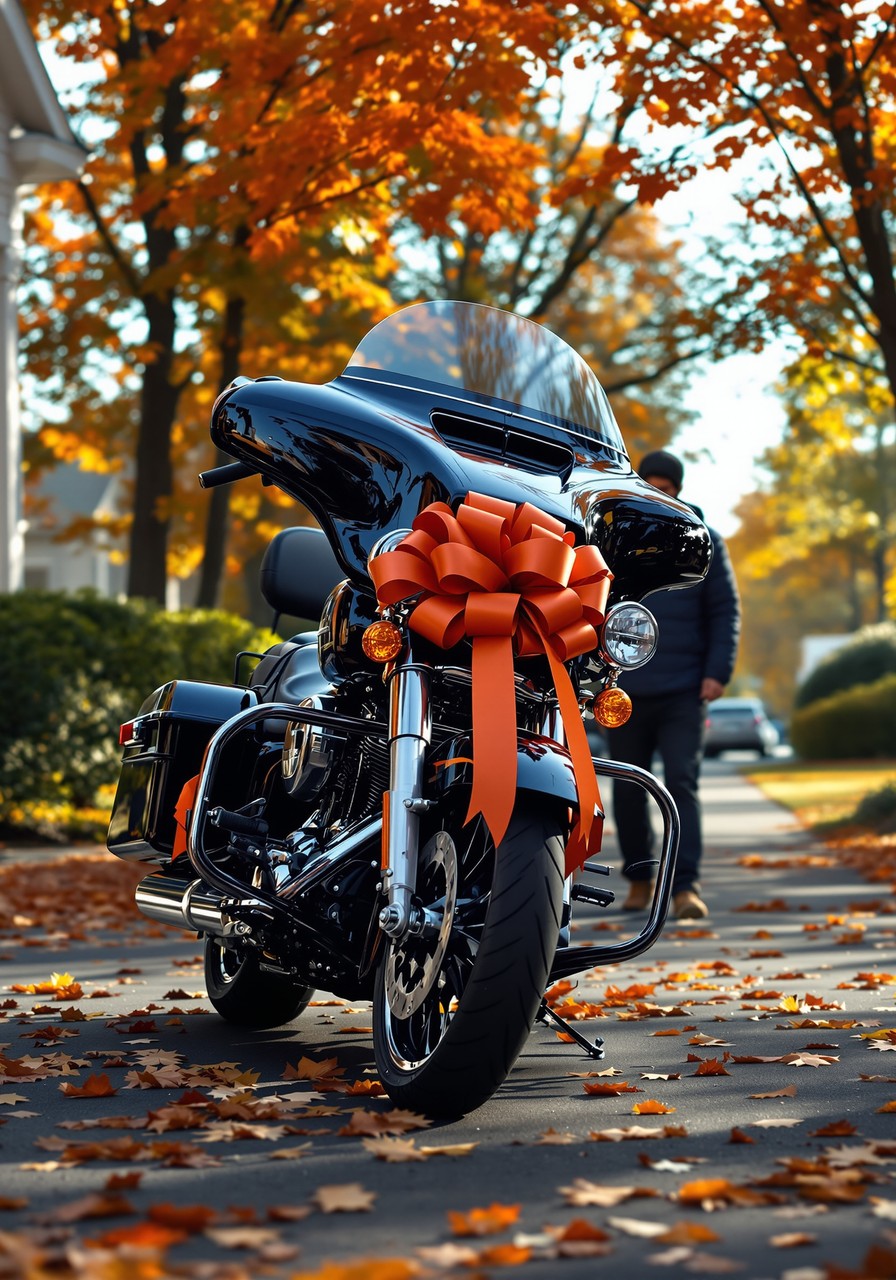
Giveaway & Countdown
The BikersWin $20,000 giveaway is heating up. More of Ride Nation is in every week. Do not sit this one out. #RideNationNJ #BikersWin #NewJerseyRiders
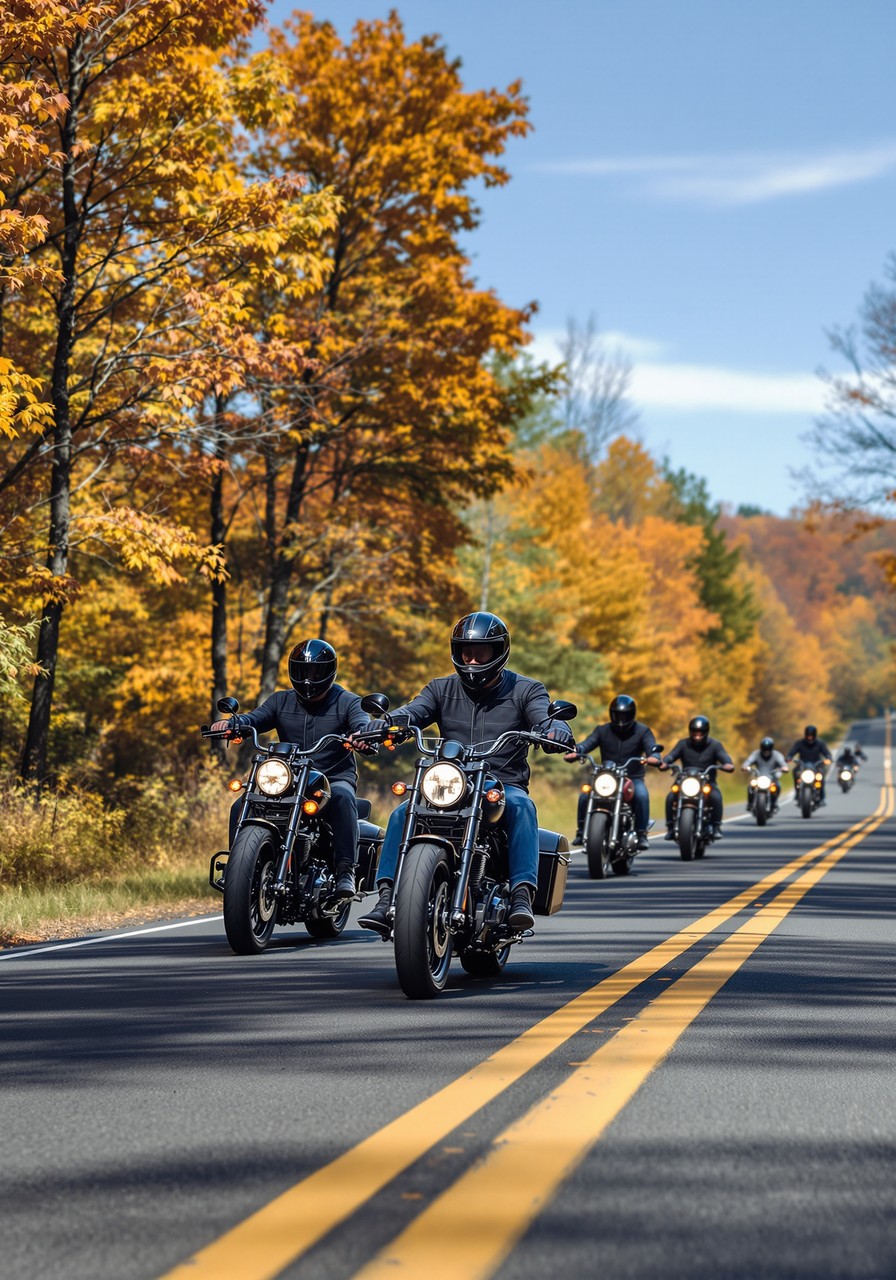
Local NJ & Rides
High Point is literally the top of the state. On a clear day you can see three states from the monument lot. #RideNationNJ #HighPoint #NJRiders
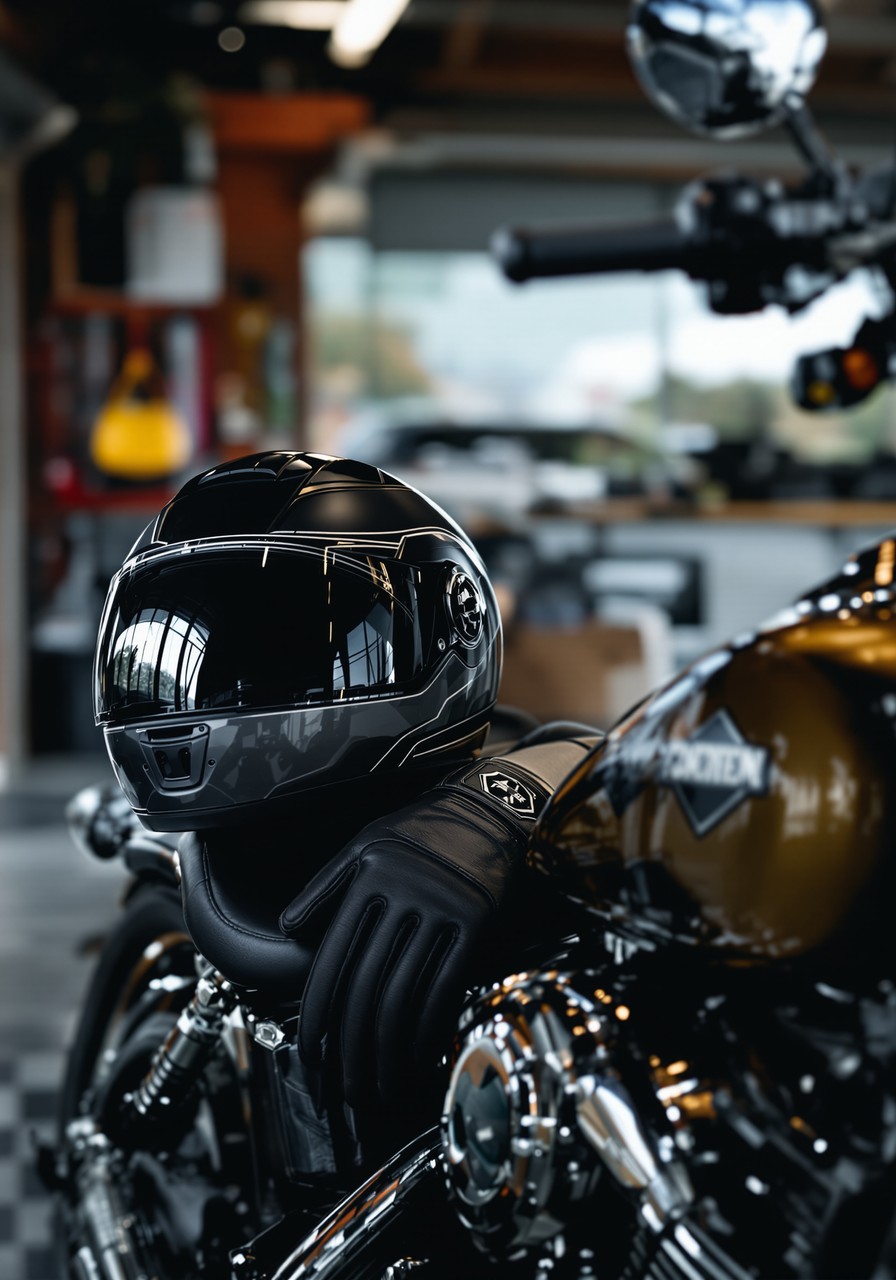
Gear & New Iron
Jersey road salt is a corrosion machine. After a winter ride, rinse the underside, the wheels, and the fork lowers with fresh water before it eats your metal. #RideNationNJ #ColdWeatherRiding #MotorcycleMaintenance
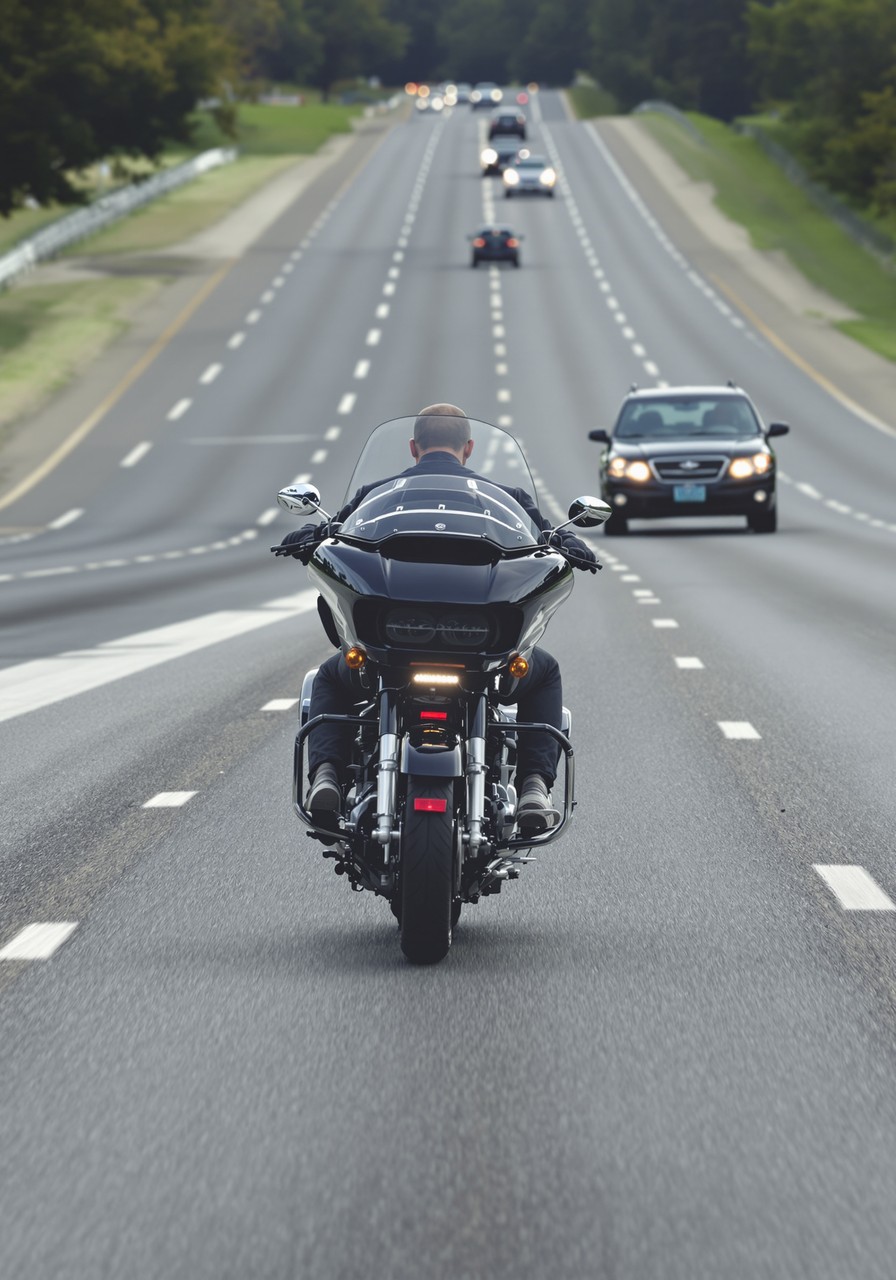
Safety & NJ Law
Because you ride outside the no-fault PIP system, New Jersey lets you keep full tort rights instead of fighting past the verbal threshold. That is leverage most riders never hear about. Ask us how it works, call (855) 337-7062. #RideNationNJ #RiderRights #KnowYourRights
Engagement
Fill in the blank: I knew I was hooked on riding the day ______. #RideNationNJ #NewJerseyRiders #TwoWheels
Giveaway & Countdown
Your entry is one honest conversation away. Talk to Garces, Grabler & LeBrocq about your crash, free, at (855) 337-7062. #RideNationNJ #20kGiveaway #NJRiders
Local NJ & Rides
Cold tires are the sneaky hazard of shoulder season. Give them a few easy miles before you lean into the first good corner. #RideNationNJ #NJRiders #MotorcycleRoads
Gear & New Iron
Salt hides in the spots you never see: swingarm pivots, caliper backs, connectors. A gentle wash and a light spray of corrosion blocker goes a long way. #RideNationNJ #MotorcycleMaintenance #ColdWeatherRiding
Safety & NJ Law
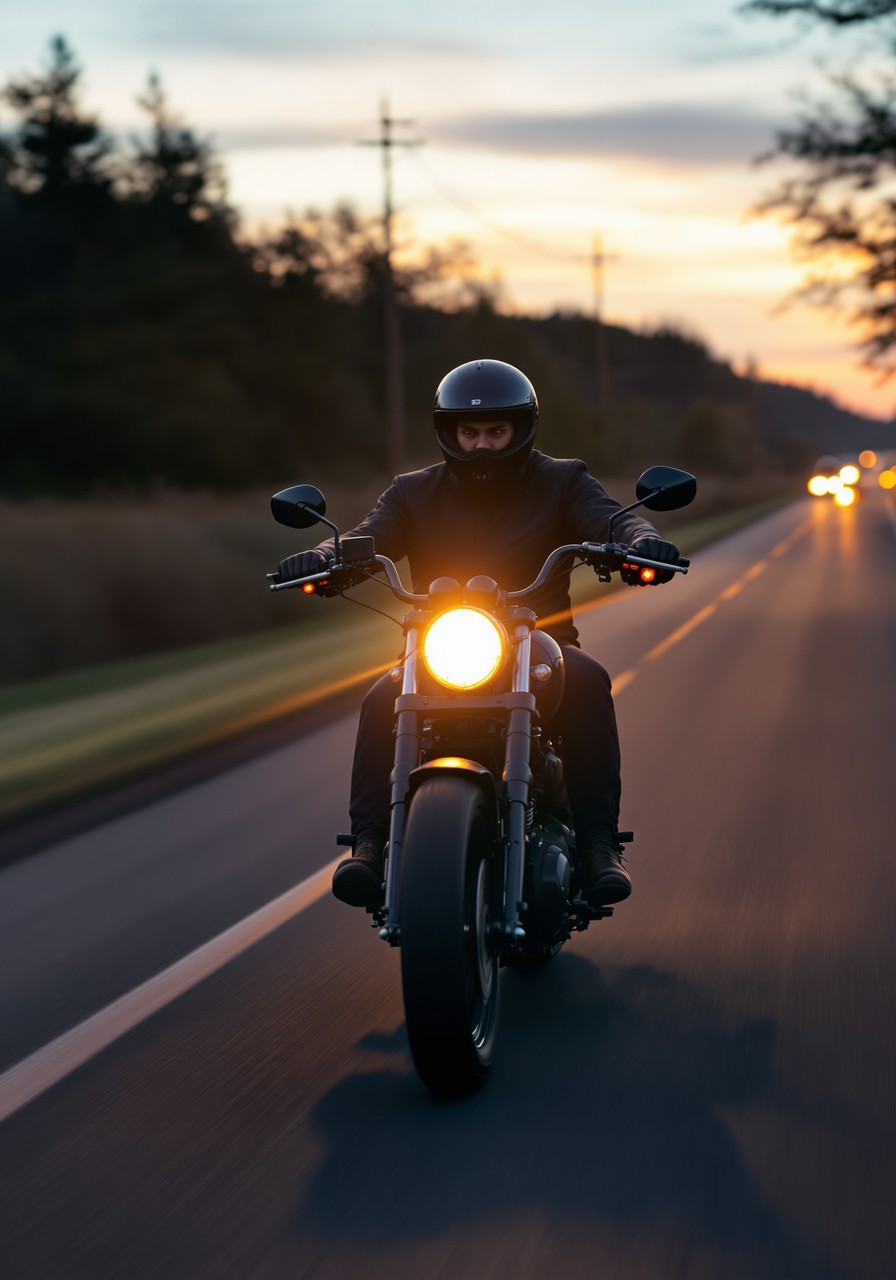
All the gear, all the time. Jacket, gloves, boots, and a DOT helmet do not just look right, they are what stands between you and the pavement. #RideNationNJ #ATGATT #MotorcycleSafety
Engagement
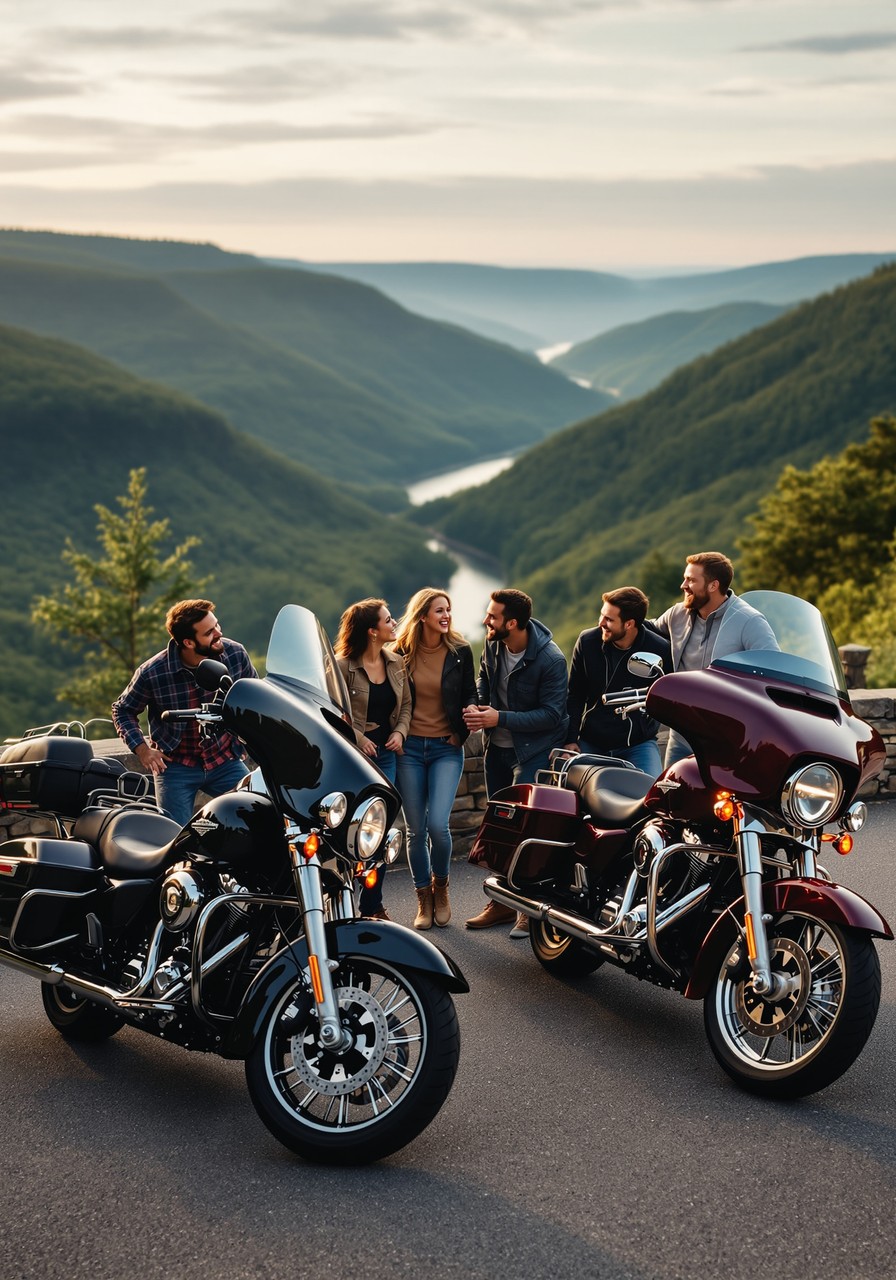
Poll: first ride of the new season, do you plan the route or just go? #RideNationNJ #GardenState #NJRiders
Giveaway & Countdown
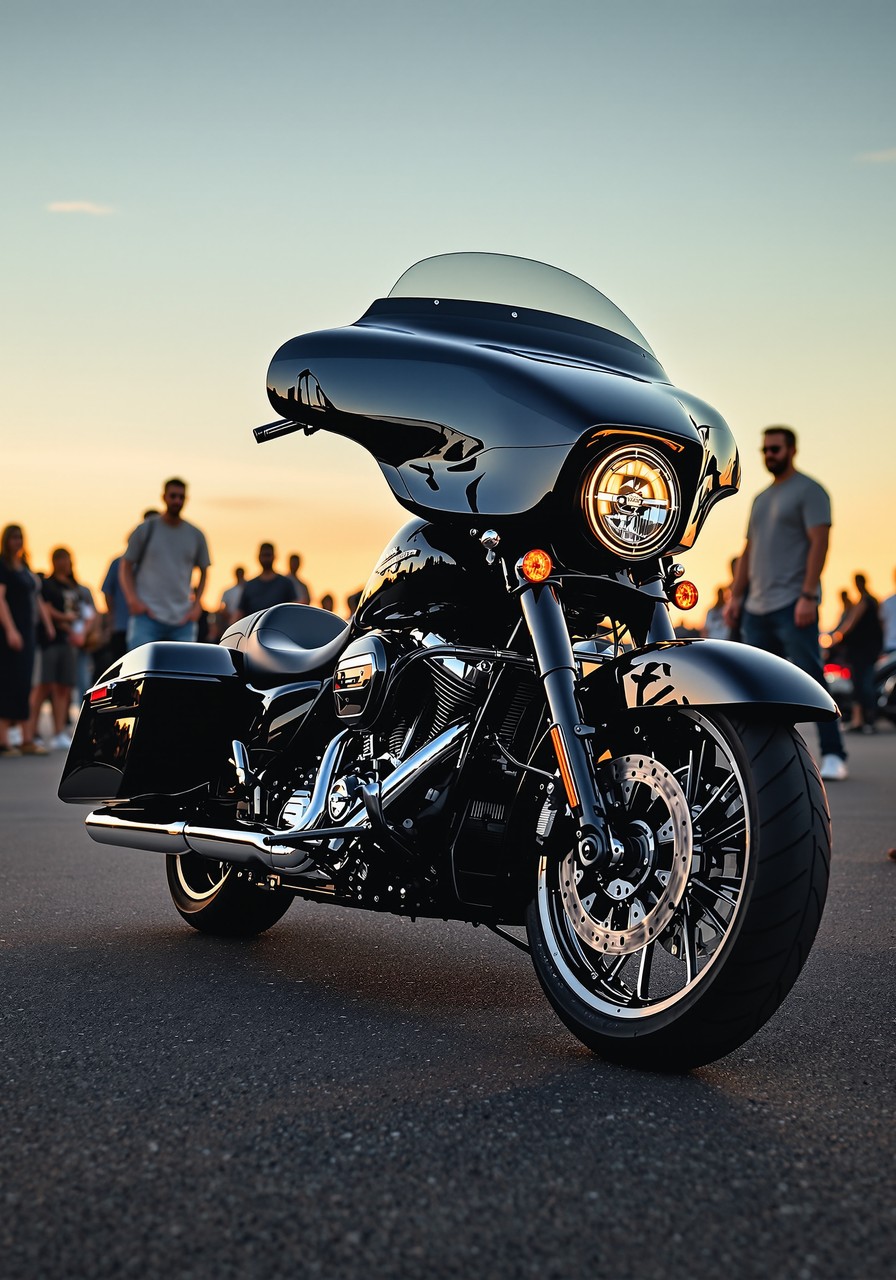
Clock is running, riders. Twenty grand does not wait around. Get in and get your crew in too. #RideNationNJ #MotorcycleGiveaway #GardenState
Local NJ & Rides
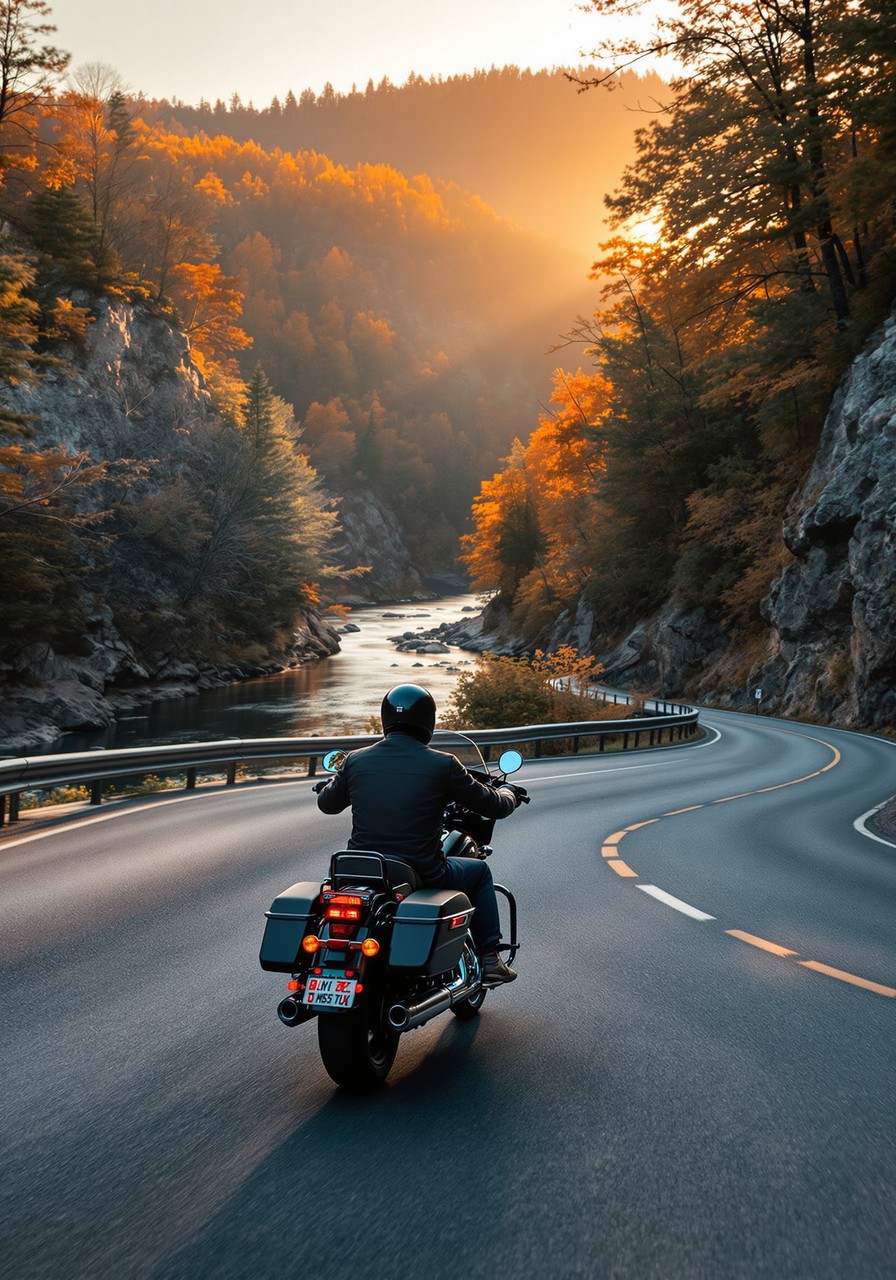
Dense traffic on Route 22 rewards the patient rider. Cover your brakes, watch the driveways, and leave yourself an out. #RideNationNJ #NJRiders #GardenState
Gear & New Iron
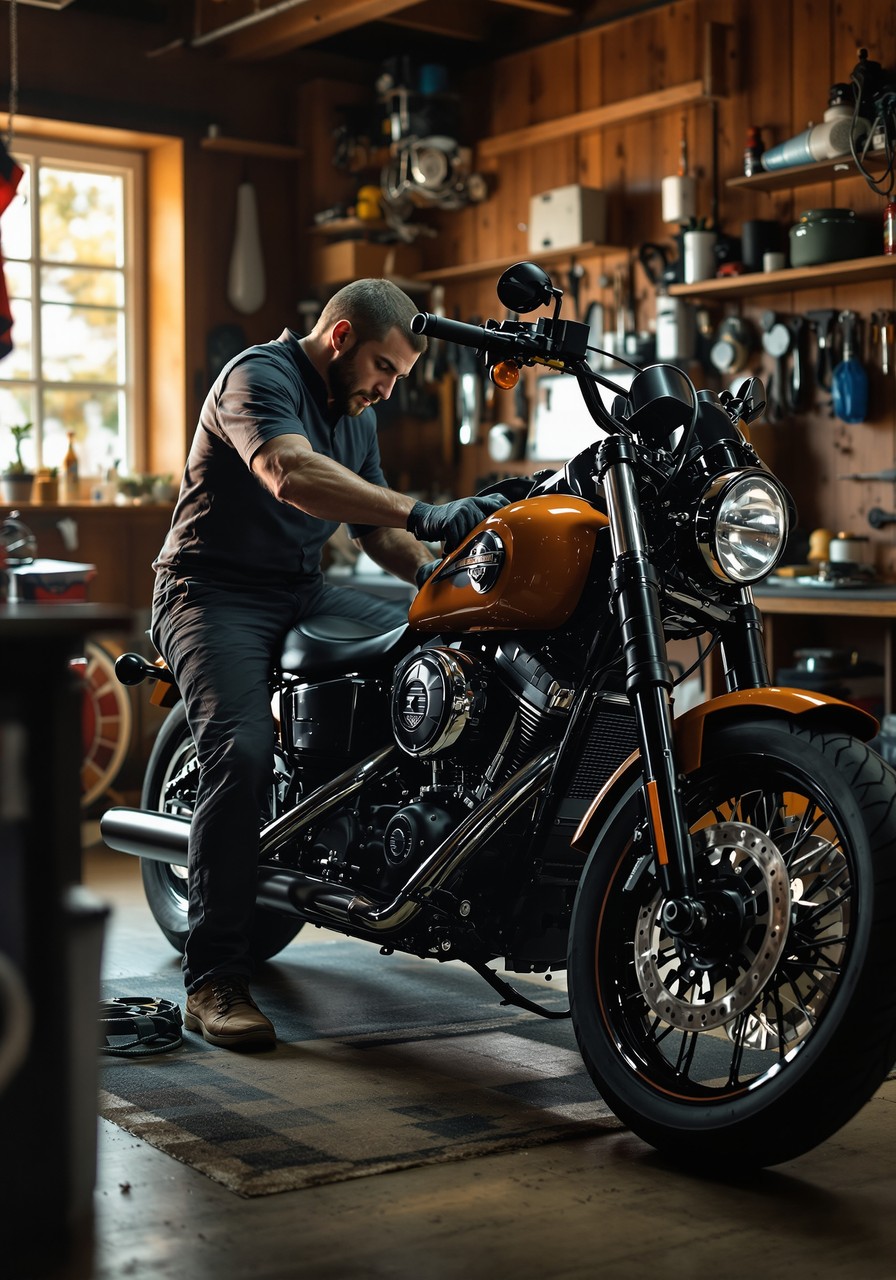
Storing the bike for winter? Stabilize the fuel and run it a few minutes so the treated gas reaches the carbs or injectors. Old gas gums everything up. #RideNationNJ #MotorcycleMaintenance #ColdWeatherRiding
Safety & NJ Law
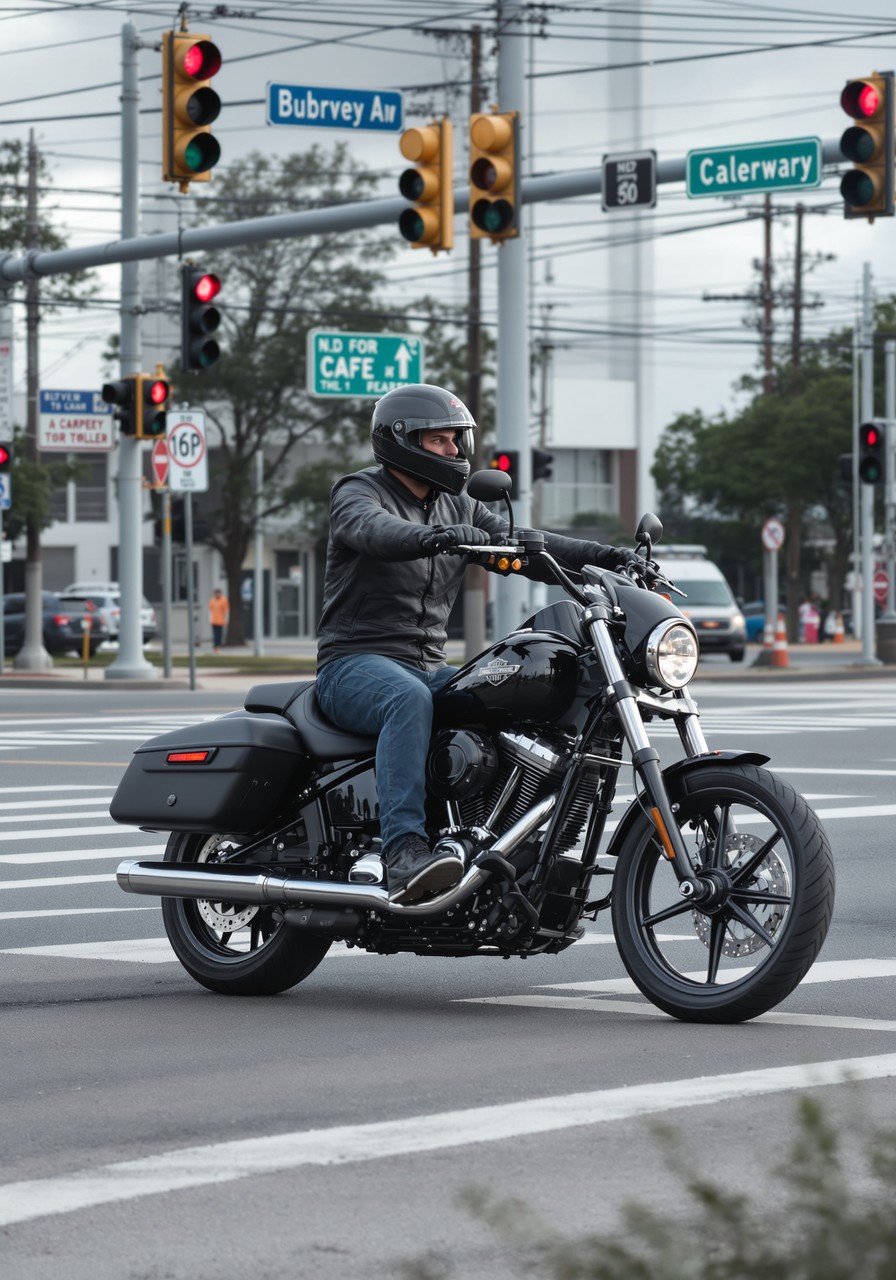
With no PIP on the bike, your UM/UIM coverage is the safety net that actually catches you when a driver flees or carries almost nothing. Do not wait for a crash to find out yours is thin. Call (855) 337-7062. #RideNationNJ #RiderRights #NJRiders
Engagement
Tag the newest rider in your crew and welcome them to Ride Nation. #RideNationNJ #RideOrDie #NewJerseyRiders
Giveaway & Countdown
Big win, small effort. A free case review is all it takes to enter the BikersWin $20,000 giveaway. Call (855) 337-7062. #RideNationNJ #BikersWin #NewJerseyRiders
Local NJ & Rides
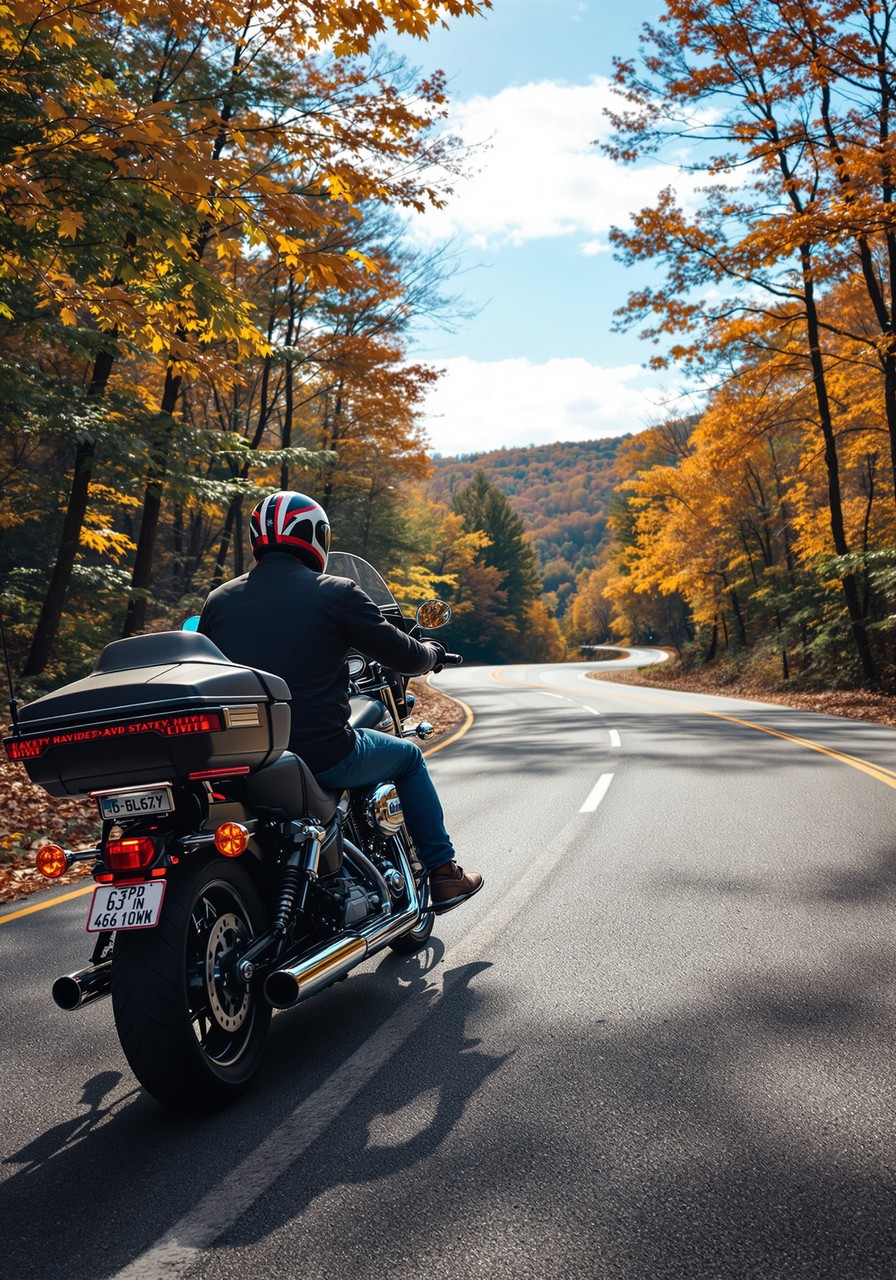
The Delaware Water Gap rewards an early start. Beat the tourist cars and you get Old Mine Road nearly to yourself. #RideNationNJ #DelawareWaterGap #MotorcycleRoads
Gear & New Iron
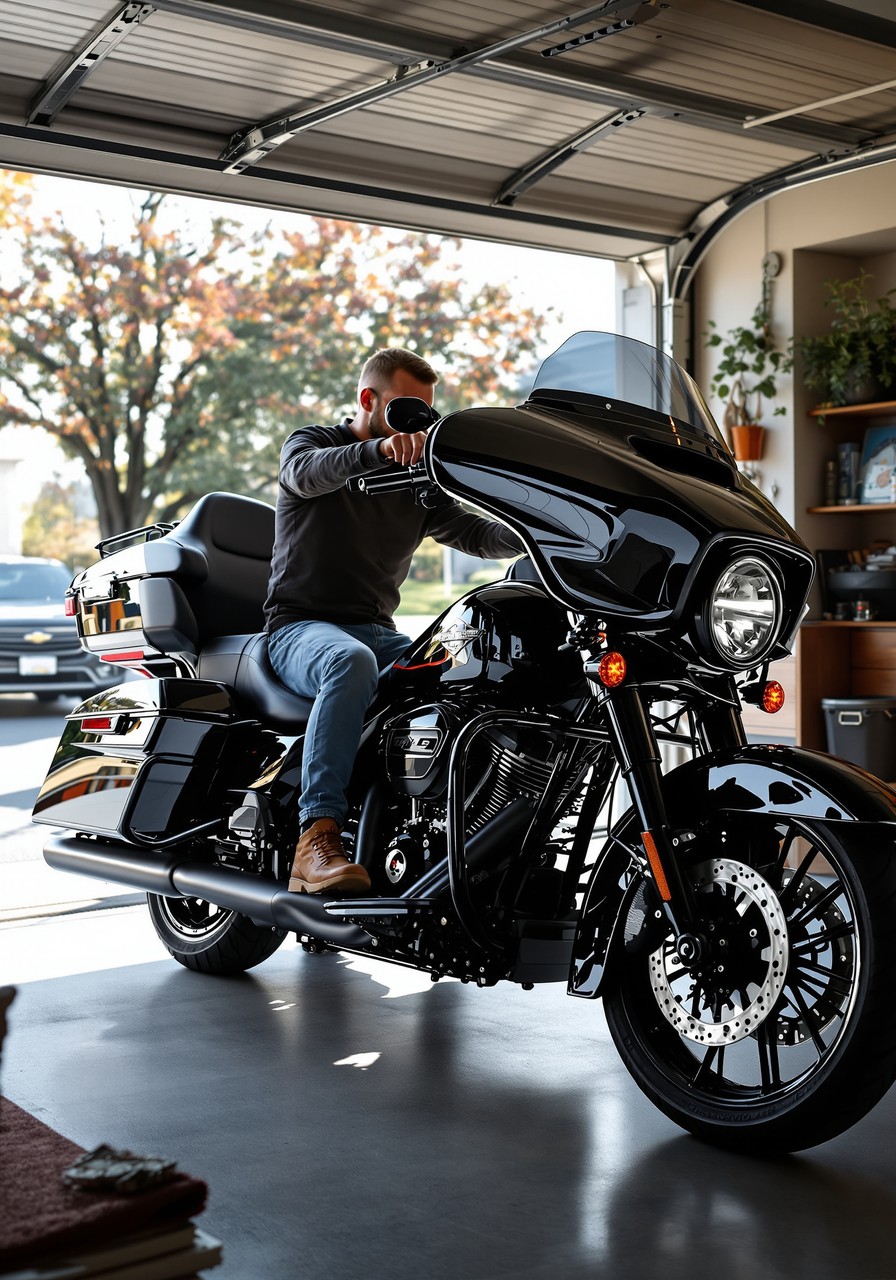
Winter storage checklist: full tank with stabilizer, tender on the battery, tires off cold concrete, and a breathable cover. Spring you will thank winter you. #RideNationNJ #MotorcycleMaintenance #BikerLife
Safety & NJ Law
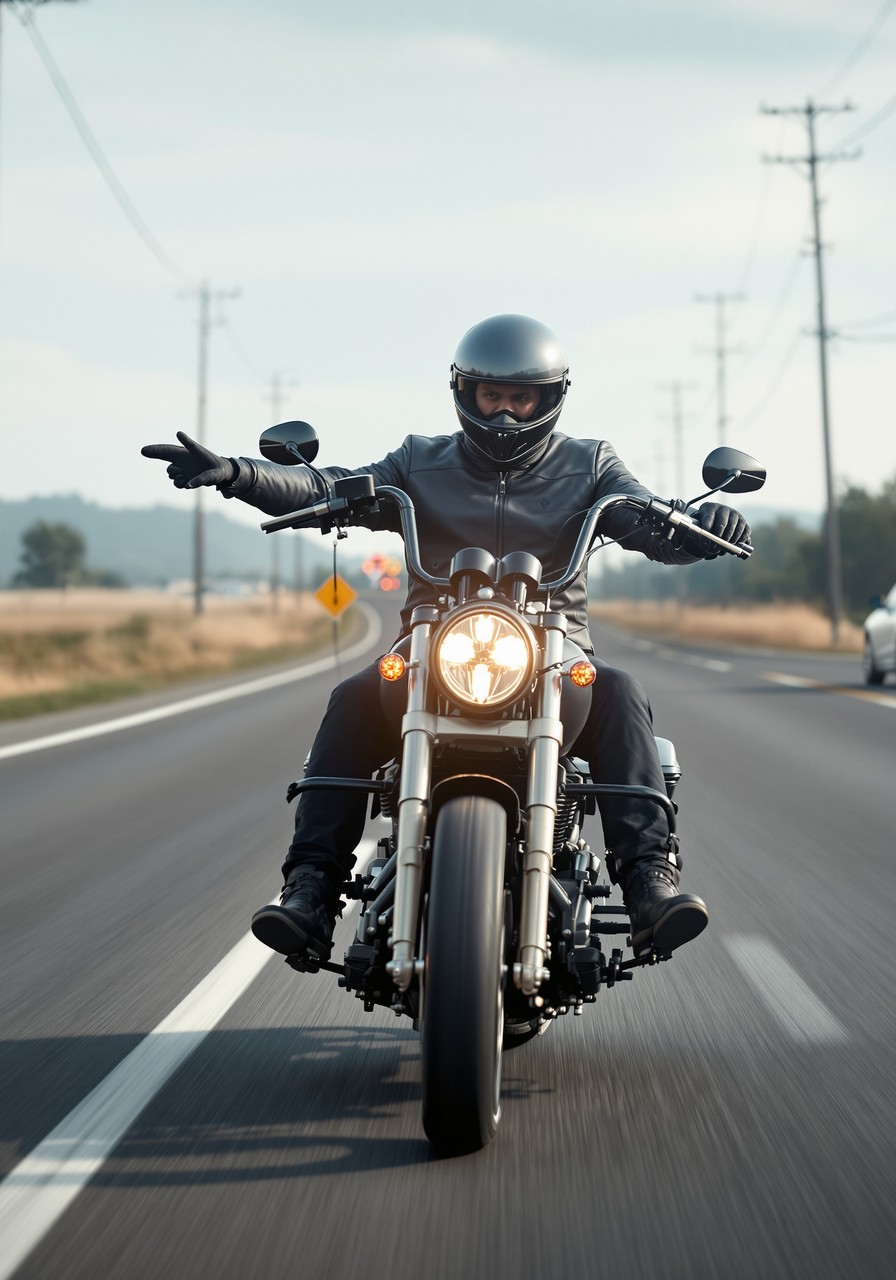
After a spill, photograph the pothole, the debris, the skid, and the sightlines before anything gets cleaned up. In New Jersey that documentation can decide your claim. #RideNationNJ #KnowYourRights #NewJerseyRiders
Engagement
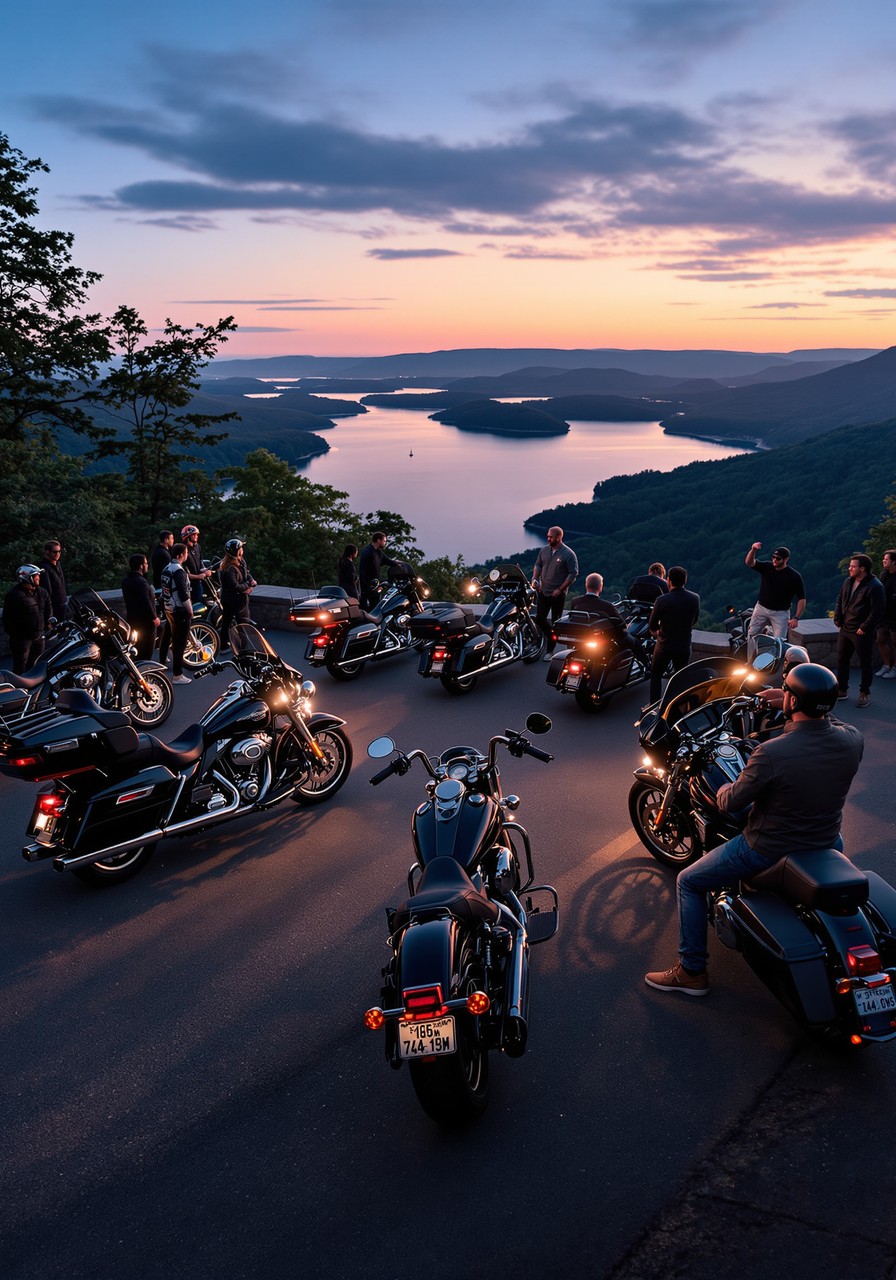
This or that: gloves off for the season, or you are already counting down to the first thaw? #RideNationNJ #GardenState #TwoWheels
Giveaway & Countdown
Somebody is about to win $20,000. Make sure your name is in the mix before the countdown ends. #RideNationNJ #20kGiveaway #NJRiders
Local NJ & Rides
First warm Saturday of spring, the shore parkway ramps fill with bikes. Ride your own pace and don't get pulled into someone else's. #RideNationNJ #JerseyShore #NJRiders
Gear & New Iron
Foggy visor season is here. A quality anti-fog insert or a coating beats cracking the shield open at a red light in the cold. #RideNationNJ #ColdWeatherRiding #GearUp
Safety & NJ Law
I never saw you is not an excuse, it is a failure to look. If a left-turning driver takes you out at a Jersey intersection, the fault is theirs. Call Garces, Grabler & LeBrocq at (855) 337-7062. #RideNationNJ #RiderRights #MotorcycleSafety
Engagement
What is the one thing you always check before you pull out of the driveway? Share your ritual. #RideNationNJ #NJRiders #TwoWheels
Giveaway & Countdown
Been in a crash and not sure where to start? Start with a free call. It answers your questions and enters you to win. Dial (855) 337-7062. #RideNationNJ #MotorcycleGiveaway #NewJerseyRiders
Local NJ & Rides
The Pine Barrens run cooler under the tree canopy on a hot day. Great midsummer escape when the shore gets too crowded. #RideNationNJ #PineBarrens #NJRiders
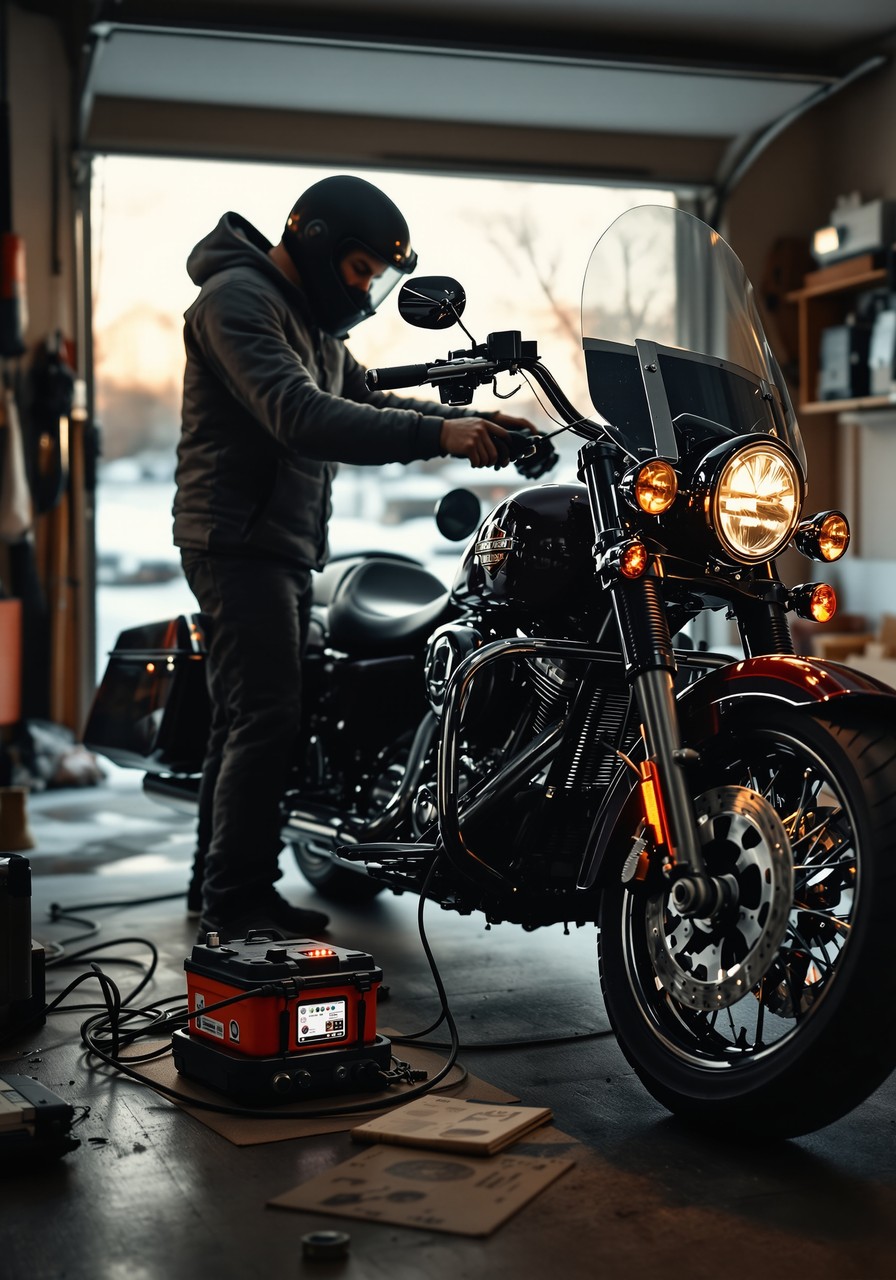
Gear & New Iron
A visor cracked one notch vents fog but blasts your eyes with cold air. A pinlock insert fixes the fog and lets you keep it shut. Worth every dollar. #RideNationNJ #ColdWeatherRiding #GearUp
Safety & NJ Law
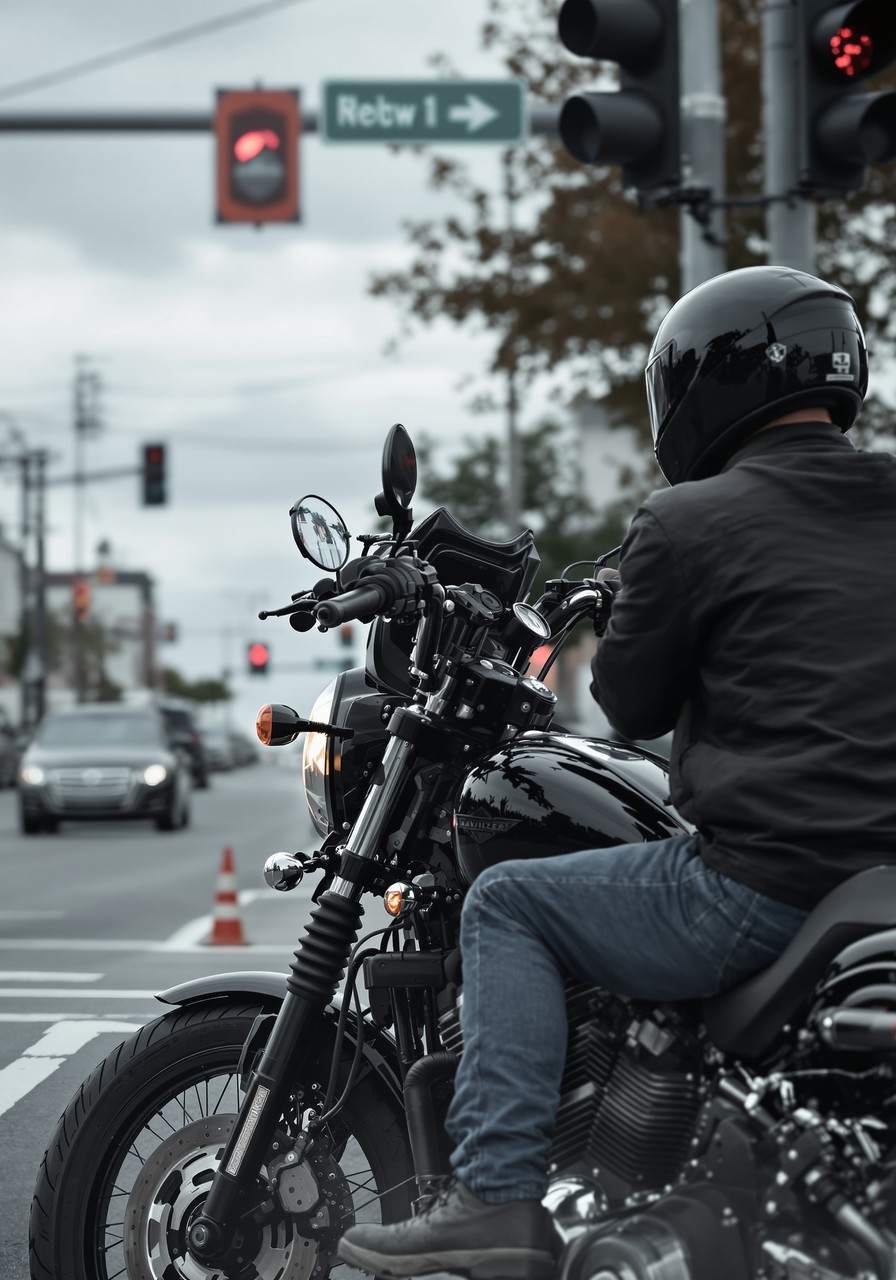
Lane position is a language. Own your space, avoid the door zone and blind spots, and make sure drivers have to see you. #RideNationNJ #MotorcycleSafety #NJRiders
Engagement
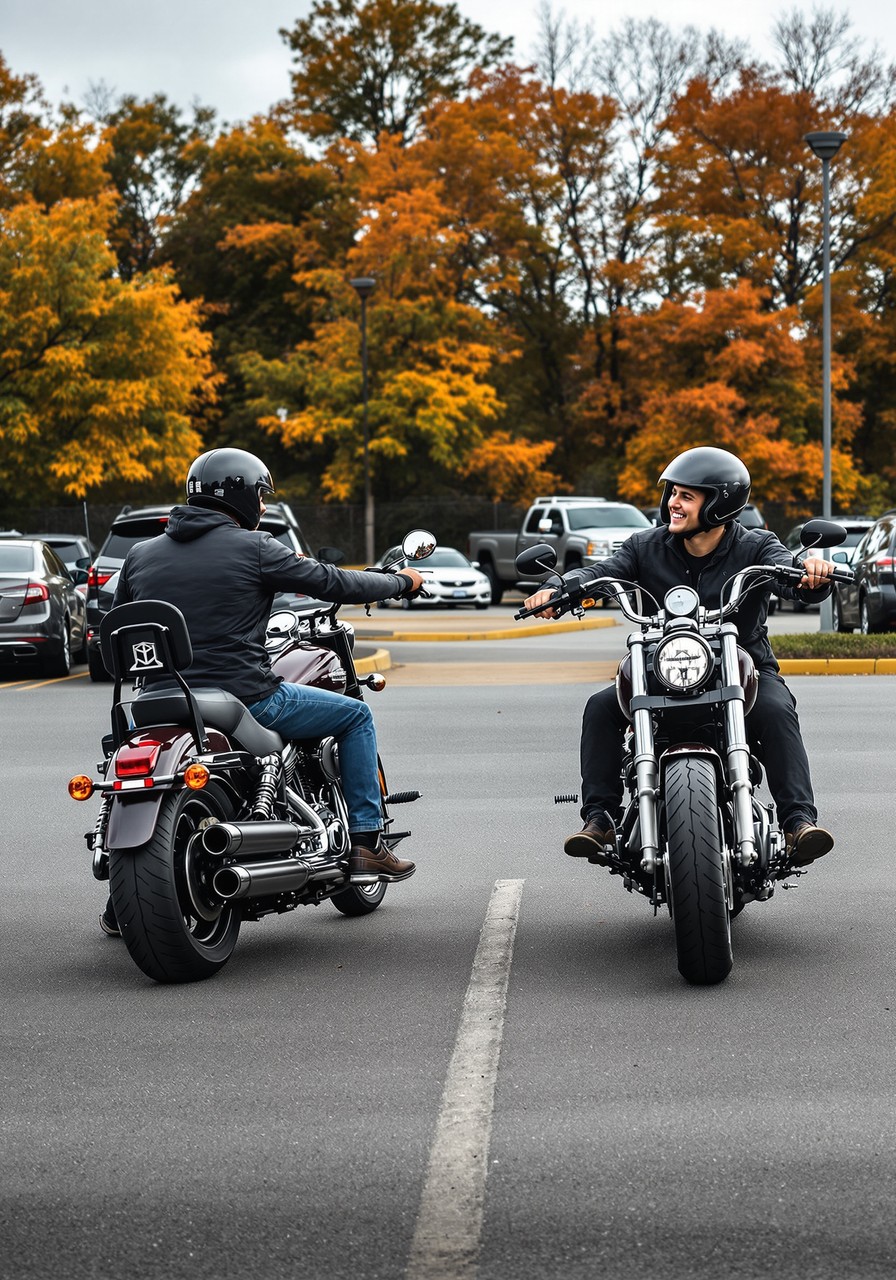
Caption this: fresh snow on the driveway and a bike cover you are not touching until March. #RideNationNJ #GardenState #NewJerseyRiders
Giveaway & Countdown
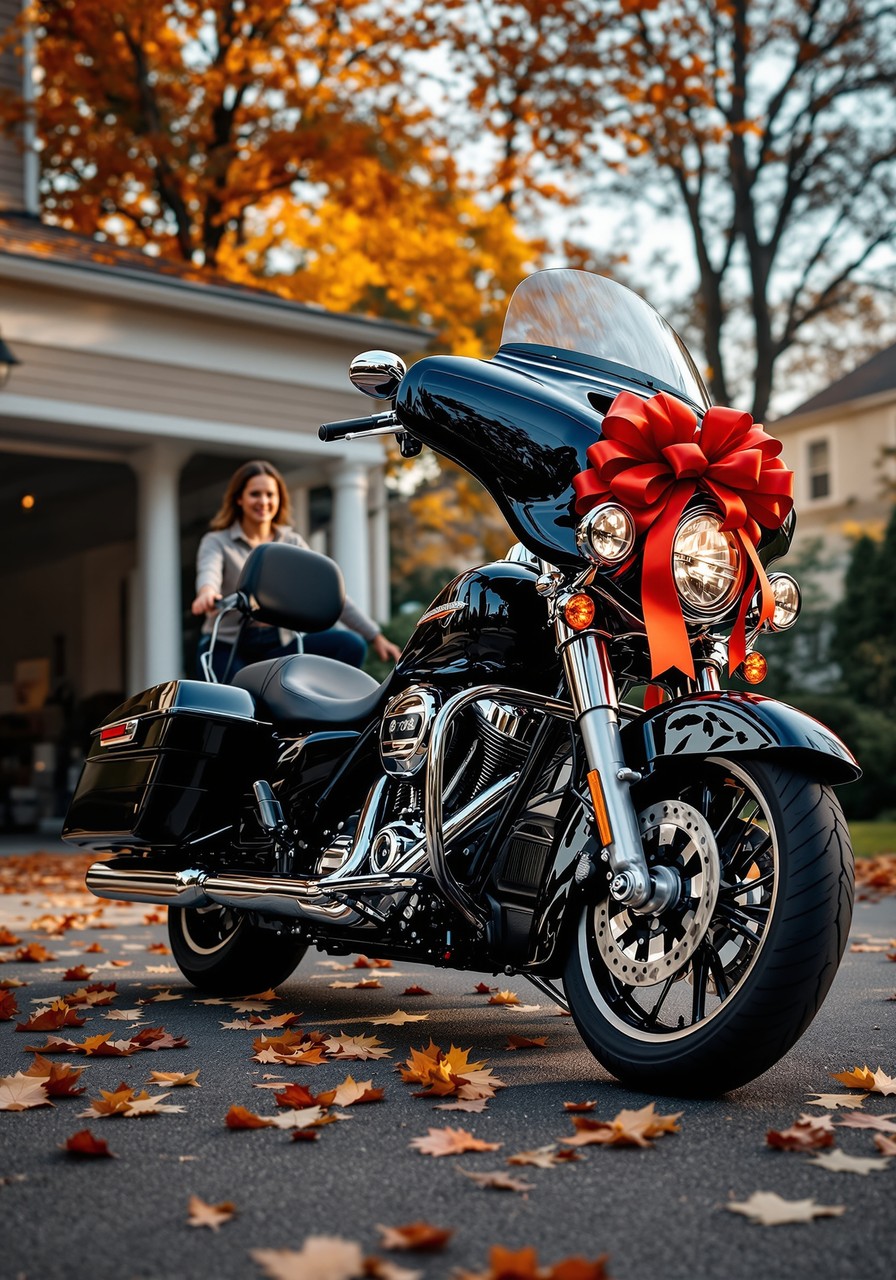
Ride Nation is growing and so is the giveaway buzz. Twenty thousand dollars on the table, zero cost to join. #RideNationNJ #BikersWin #GardenState
Local NJ & Rides
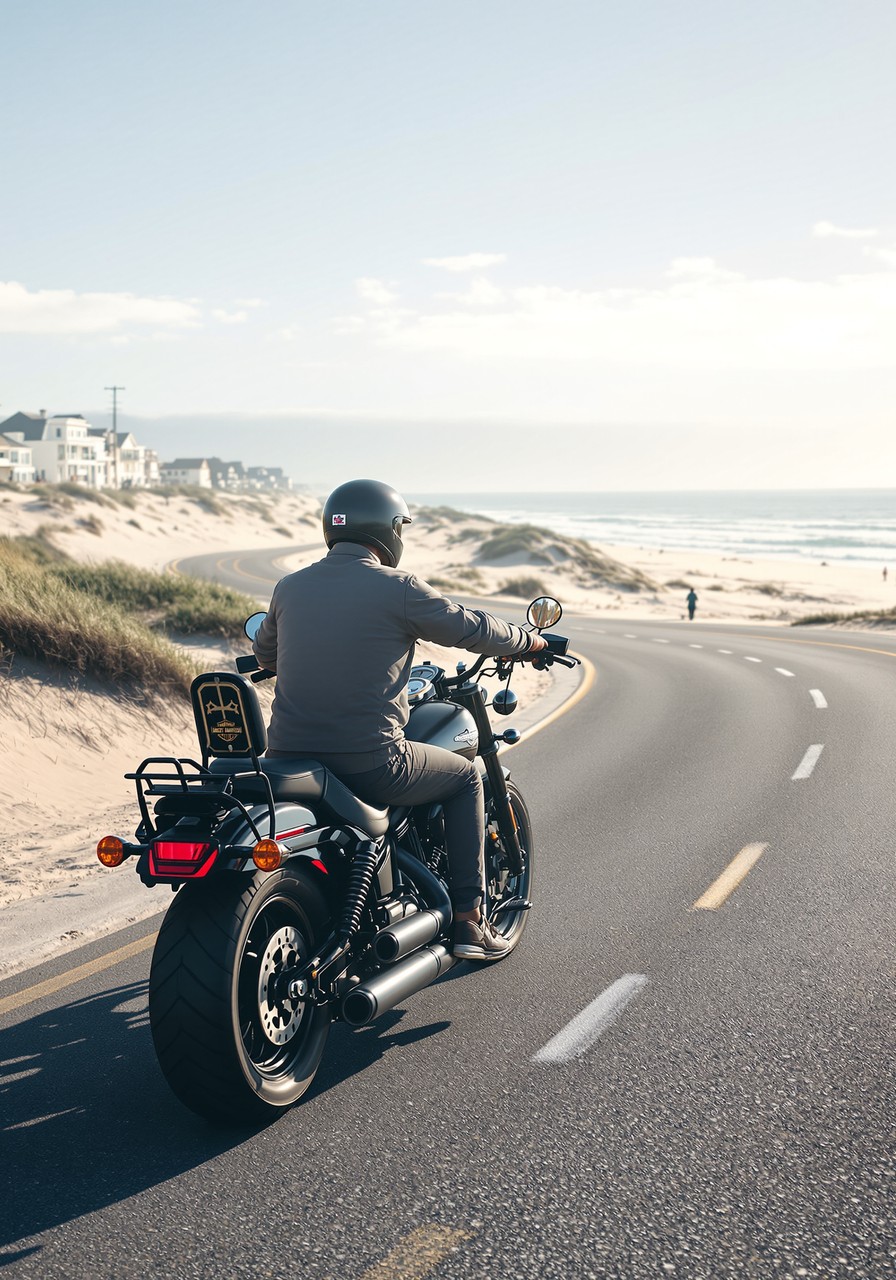
Wet leaves in October are as slick as ice on the shaded curves up by Ringwood. Slow your entry and stay smooth on the throttle. #RideNationNJ #NJRiders #MotorcycleRoads
Gear & New Iron
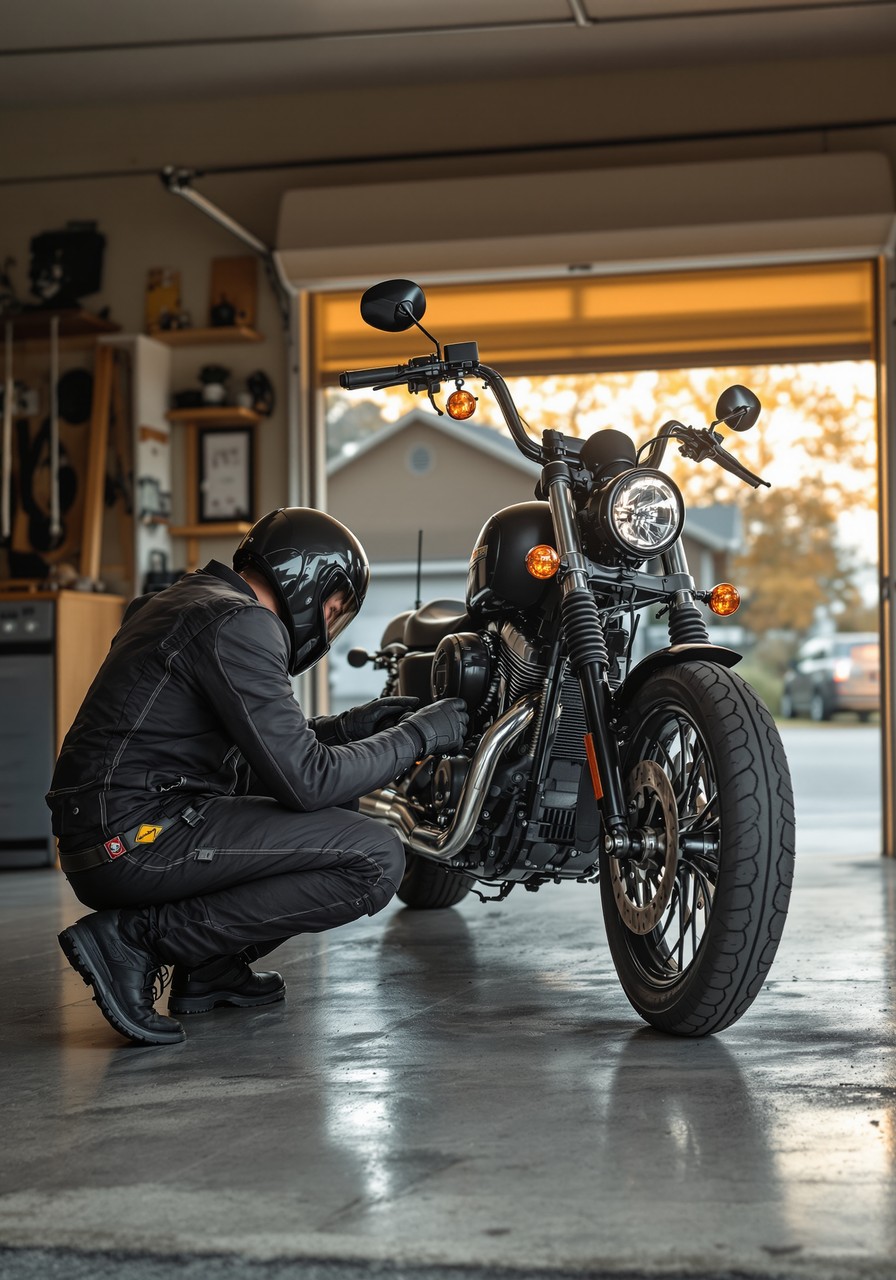
Humid Jersey summers cook you in full gear, so buy mesh with the armor still in it. Airflow plus CE pads beats a t-shirt every single time. #RideNationNJ #ATGATT #GearUp
Safety & NJ Law
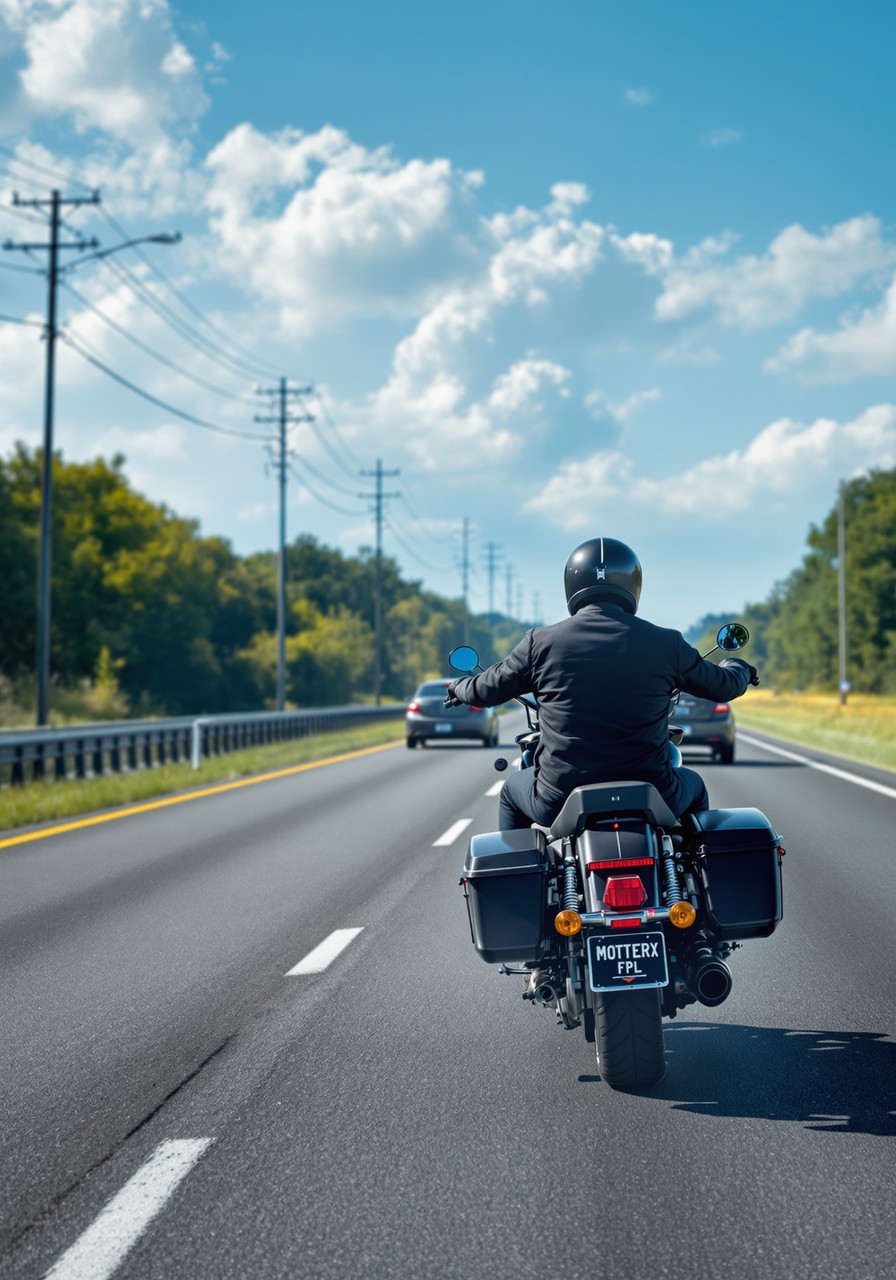
New Jersey reduces your recovery by your share of fault, and cuts it to zero only past 50 percent. Insurers love to inflate your blame, so know the line before you sign anything. Call (855) 337-7062. #RideNationNJ #KnowYourRights #RiderRights
Engagement
Favorite roadside food stop on a Jersey ride? We are building a list. #RideNationNJ #JerseyShore #NJRiders
Giveaway & Countdown
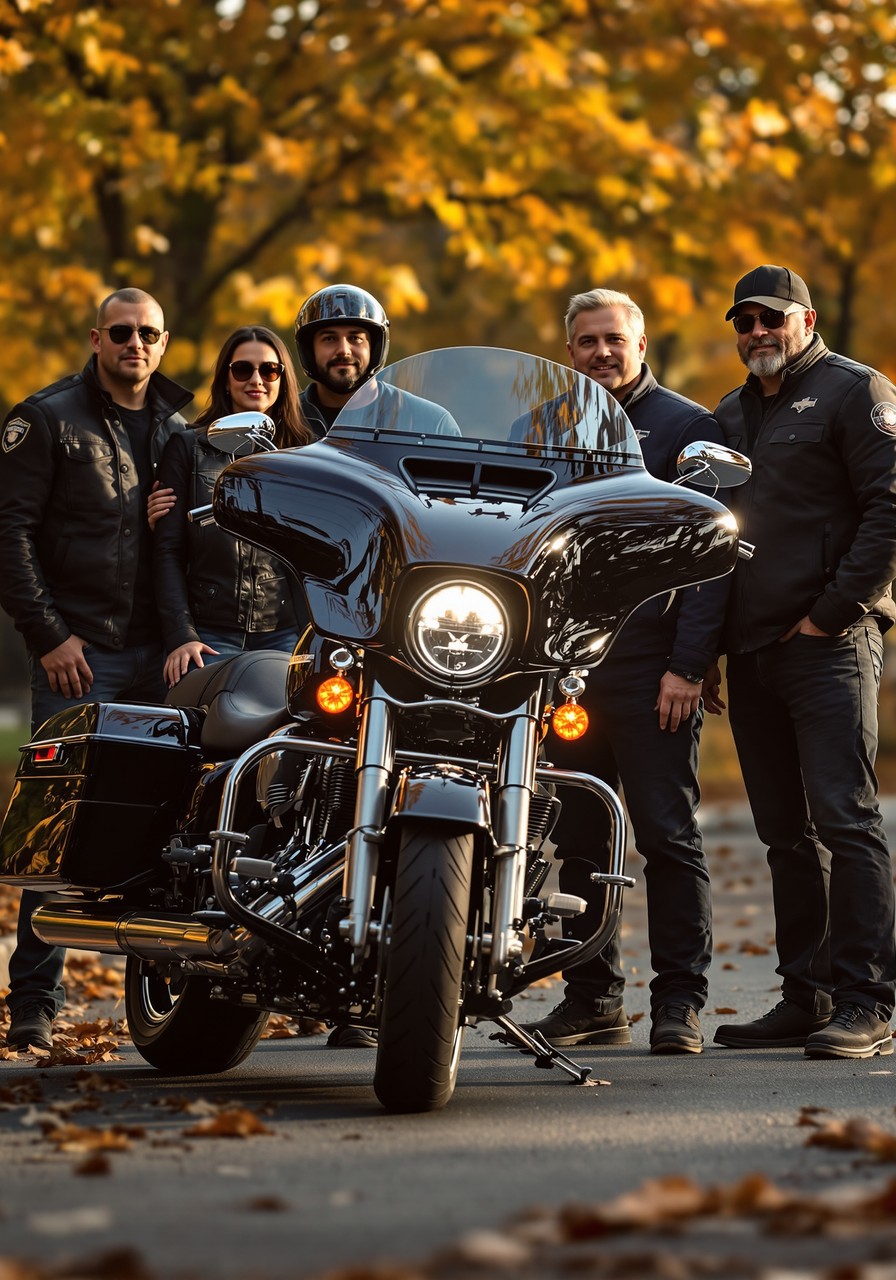
Tag the rider in your crew who never wins anything. This is their shot at $20,000. #RideNationNJ #20kGiveaway #NJRiders
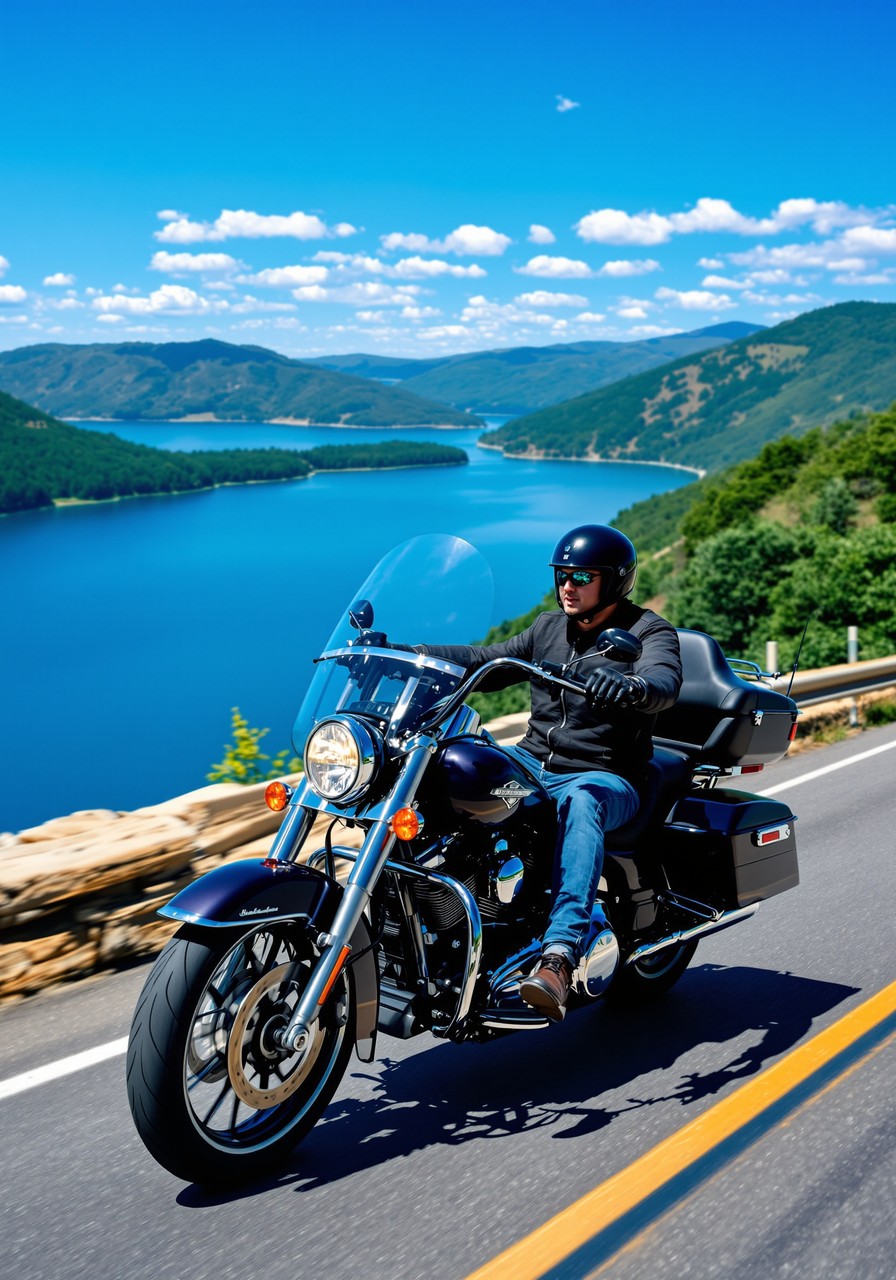
Local NJ & Rides
I-80 west out of the metro opens up fast into hill country. It is the quickest way to trade traffic for real riding roads. #RideNationNJ #NJRiders #MotorcycleRoads
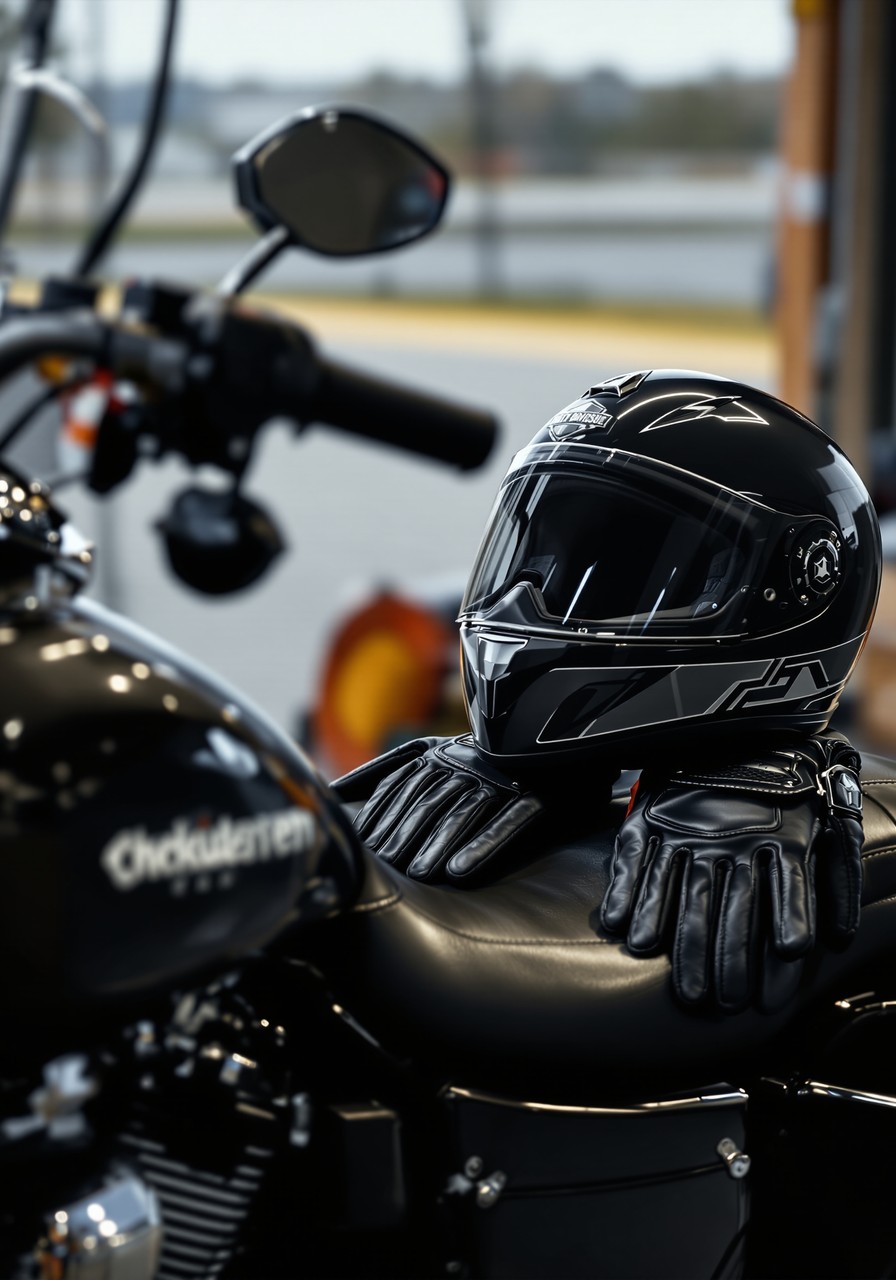
Gear & New Iron
Do not stash your gear damp after a summer ride. Sweat and humidity breed mildew in the liner. Air it out so it lasts and does not stink. #RideNationNJ #GearUp #RiderTips
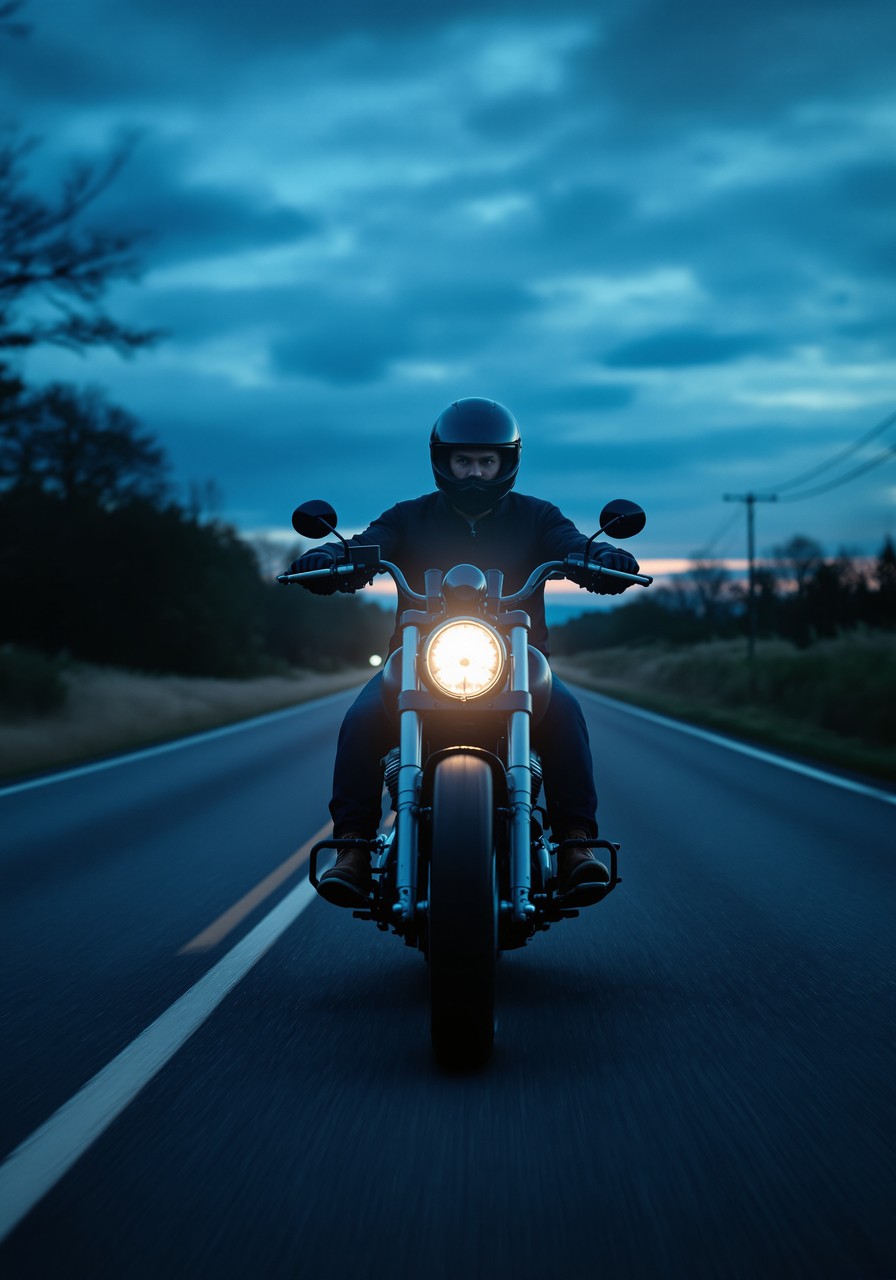
Safety & NJ Law
The helmet law here is simple and universal, a DOT helmet on every head, every ride, passengers included. Cheap skid lids are not worth your skull. #RideNationNJ #ATGATT #GardenState
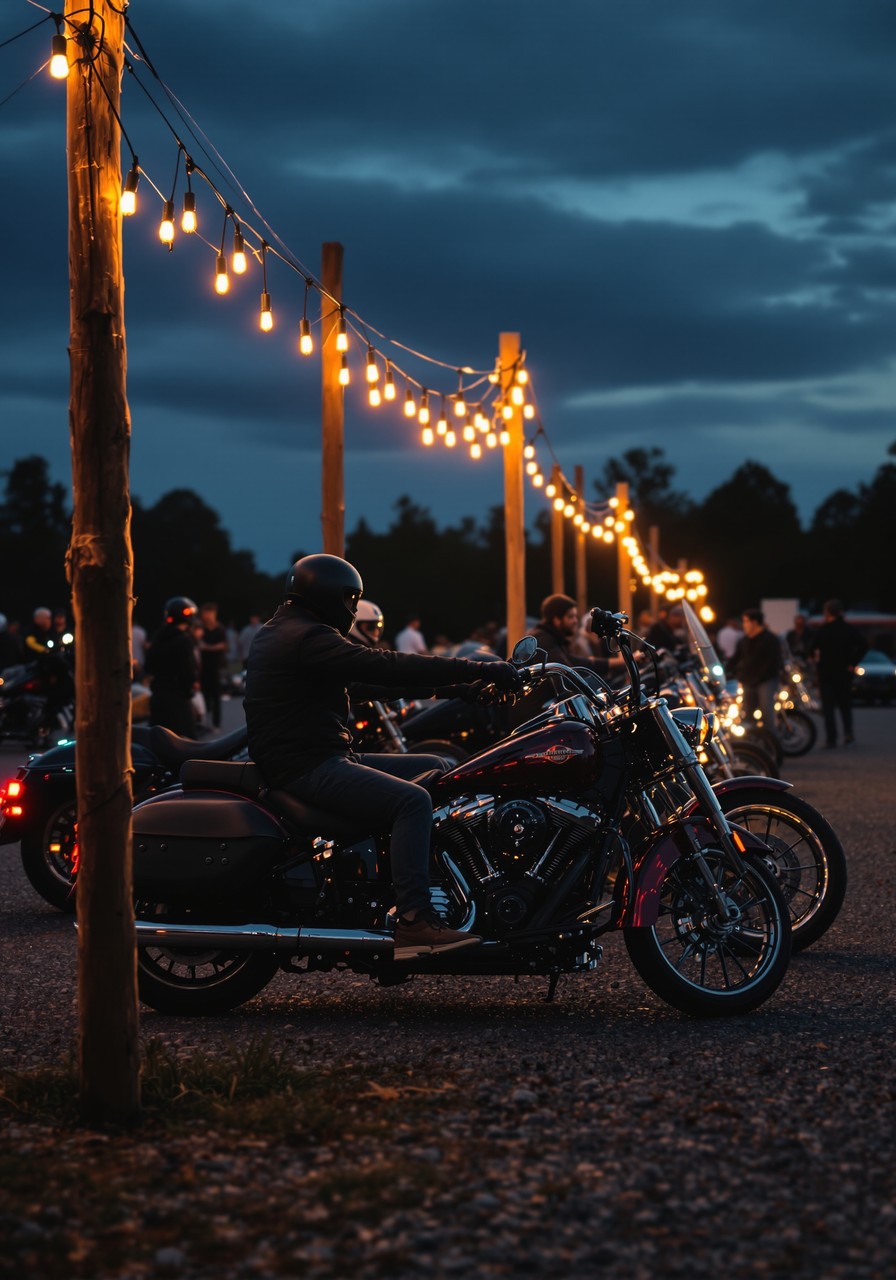
Engagement
This or that: High Point overlook at the top of the state, or the lighthouse down at the tip. Pick your view. #RideNationNJ #JerseyShore #NewJerseyRiders
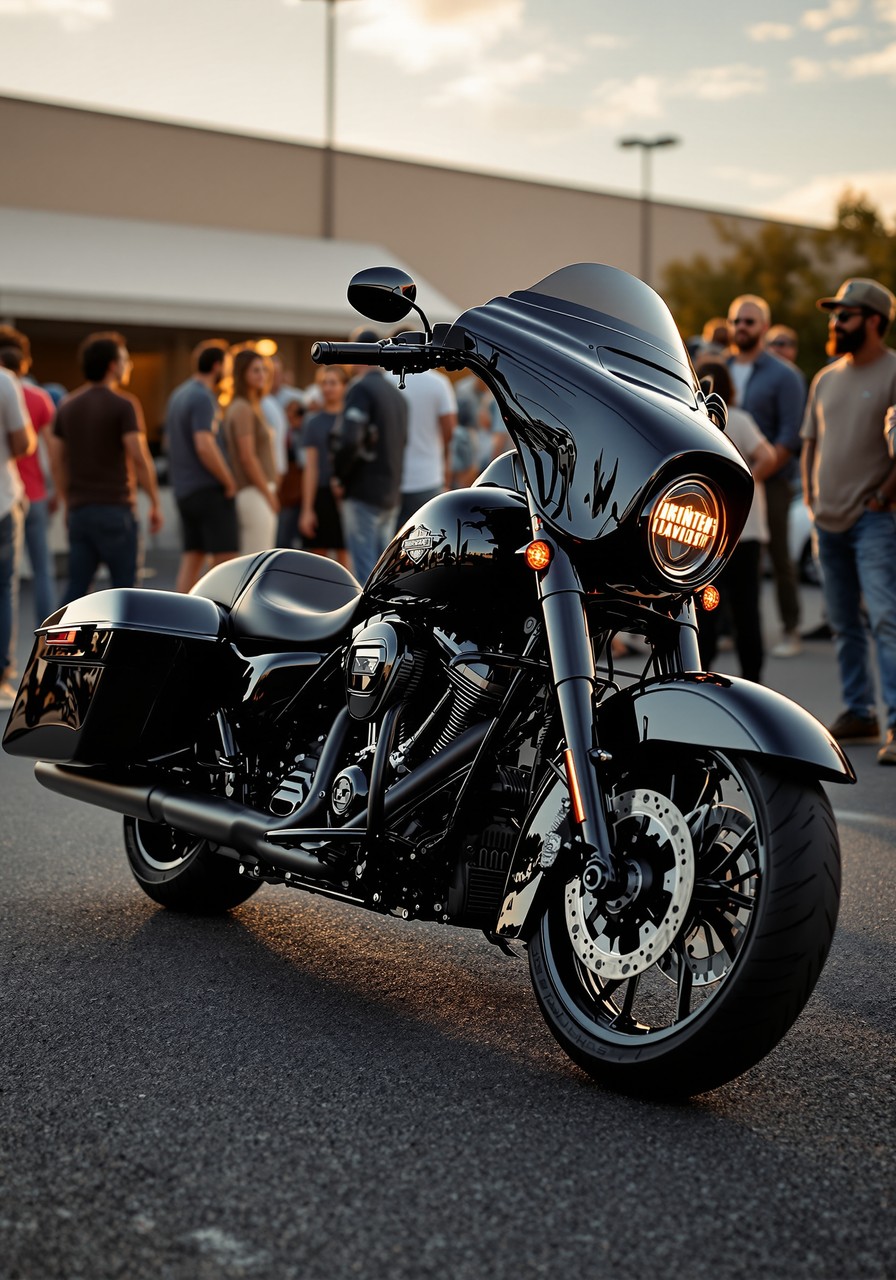
Giveaway & Countdown
Entry is free and it always will be. Talk to us about your wreck and you are locked into the BikersWin $20,000 giveaway. Call (855) 337-7062. #RideNationNJ #MotorcycleGiveaway #NewJerseyRiders
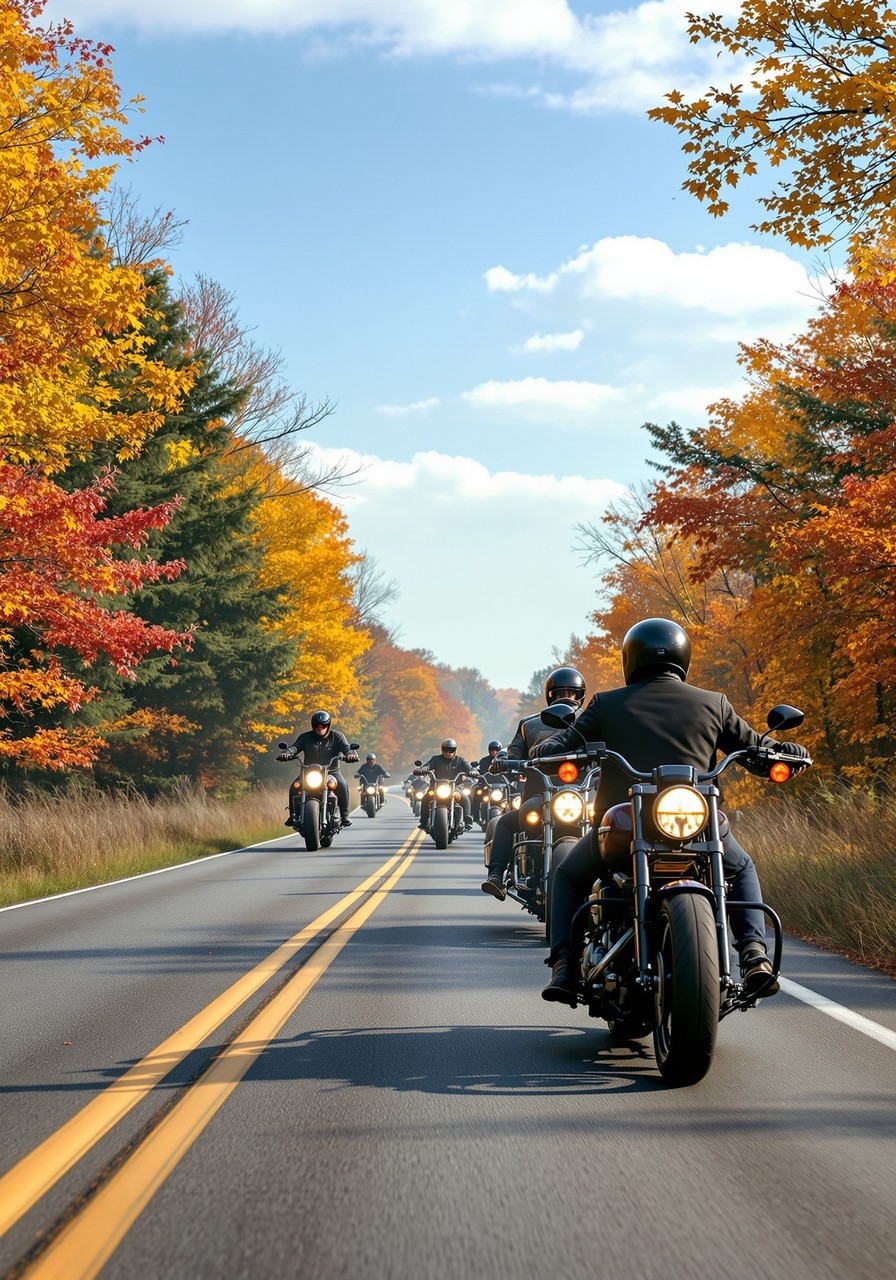
Local NJ & Rides
Sandy Hook at sunrise is worth the early alarm. Flat, breezy, and empty before the crowds roll in for the beach. #RideNationNJ #JerseyShore #NewJerseyRiders
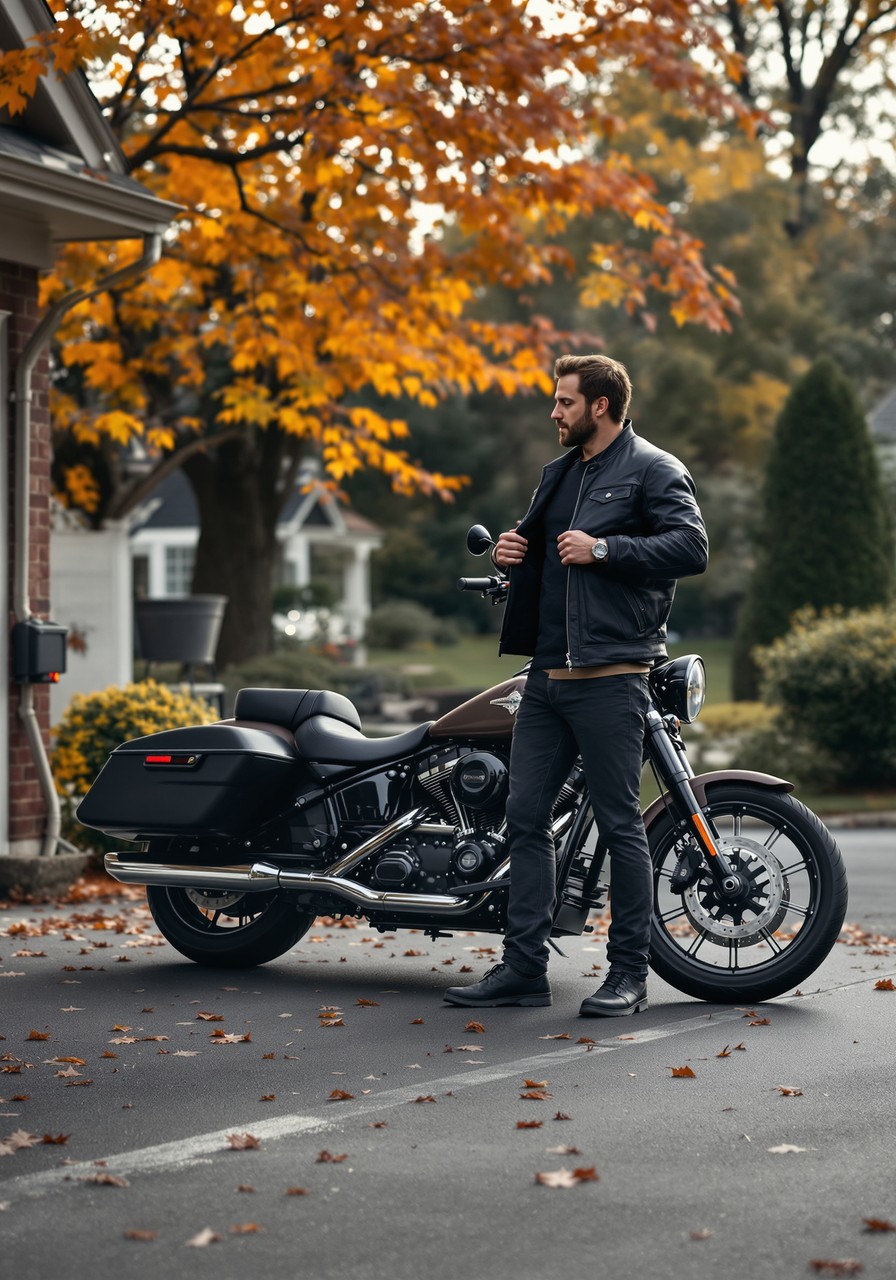
Gear & New Iron
Neck gaiter or balaclava is the small piece that makes cold rides bearable. It seals the gap at your collar where wind sneaks in. #RideNationNJ #ColdWeatherRiding #GearUp
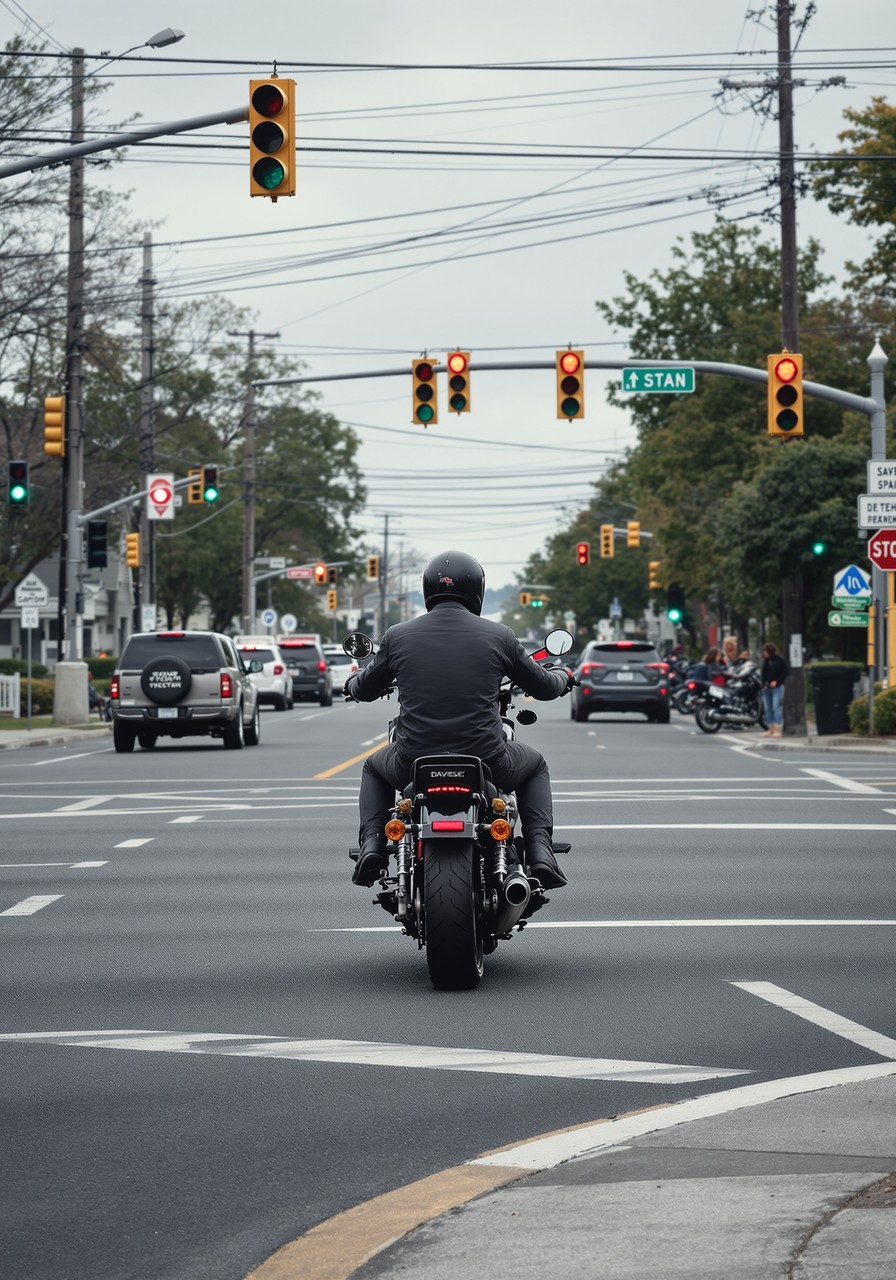
Safety & NJ Law
Two years sounds like a long time until you are deep in treatment and paperwork. New Jersey caps most injury claims at that, so protect your window early. Free case review anytime, or call (855) 337-7062. #RideNationNJ #RiderRights #NewJerseyRiders
Engagement
Fill in the blank: spring plans locked in, first big ride is the ______ with ______. #RideNationNJ #DelawareWaterGap #TwoWheels
Giveaway & Countdown
Countdown vibes, Jersey. The window on this $20,000 giveaway will not stay open forever. Move now. #RideNationNJ #BikersWin #GardenState
Local NJ & Rides
Winter is planning season. Map a fresh Sourlands loop or a High Point run now so you are first out the gate in spring. #RideNationNJ #HighPoint #NJRiders
Gear & New Iron
Rain gear lives under the seat, not in the closet. A packable shell turns a surprise Jersey downpour from misery into a story. #RideNationNJ #GearUp #RiderTips
Safety & NJ Law
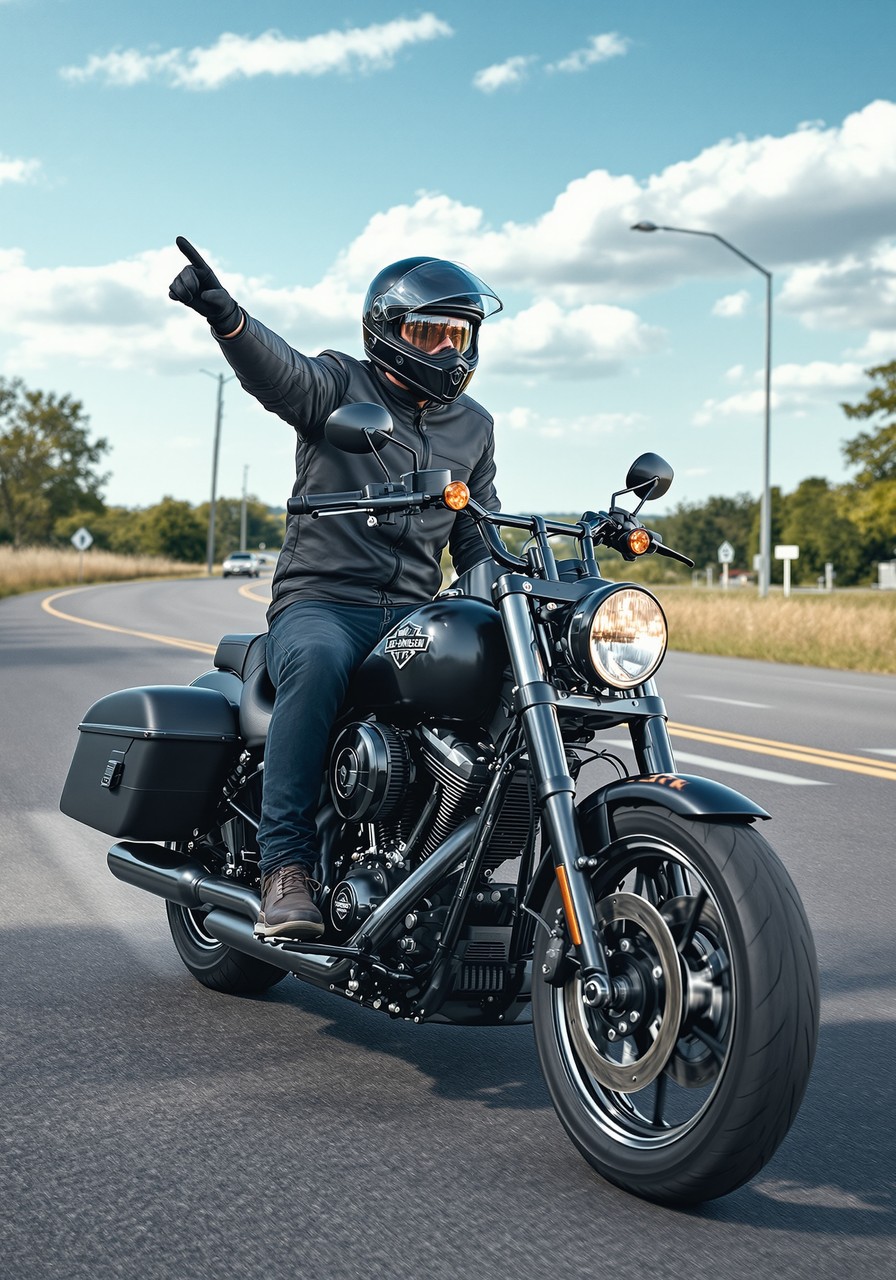
In heavy Jersey traffic, cameras are everywhere. A nearby storefront or dashcam may have caught the driver who cut you off, so flag them fast before the footage loops. #RideNationNJ #KnowYourRights #NJRiders
Engagement
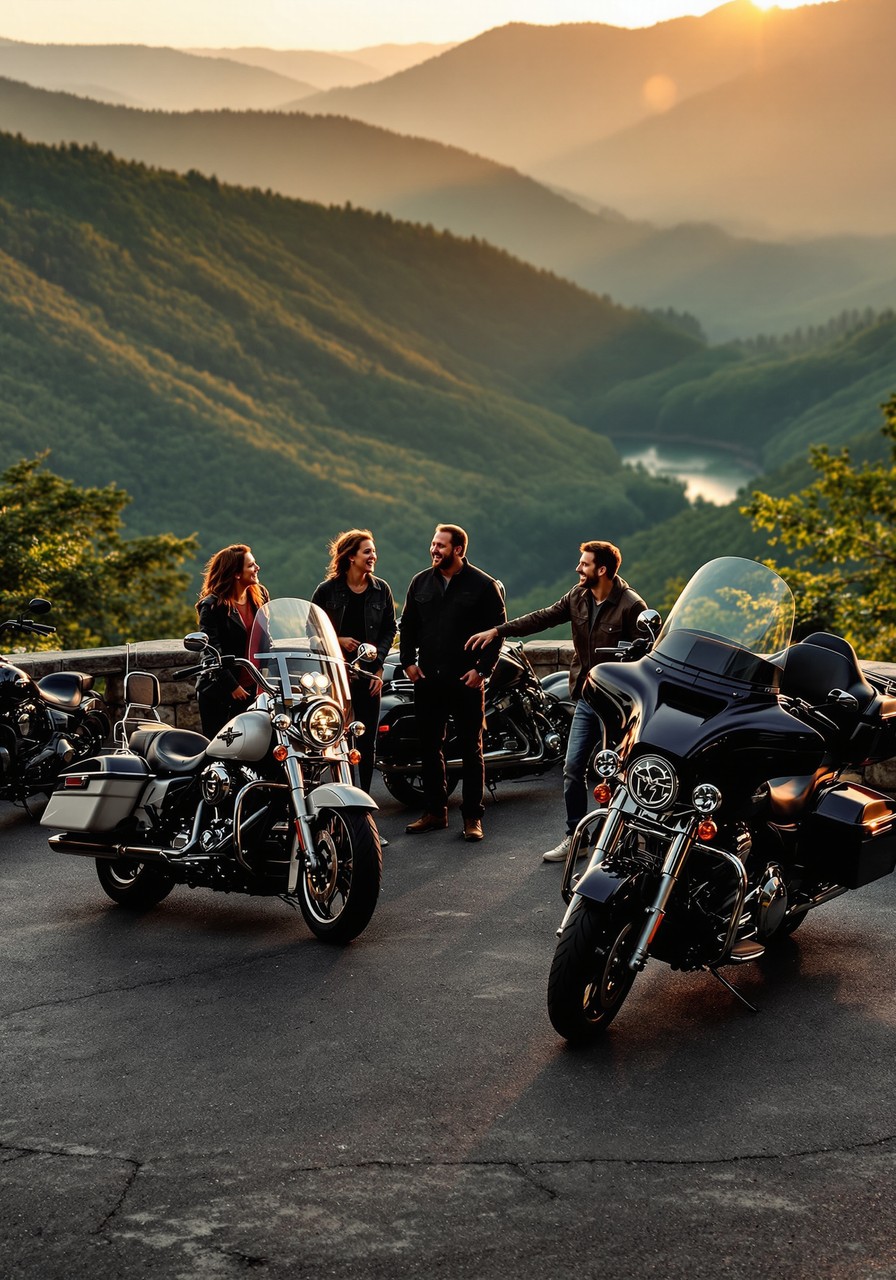
Poll: solo miles or the whole group rolling out? Which one recharges you? #RideNationNJ #NJRiders #RideOrDie
Giveaway & Countdown
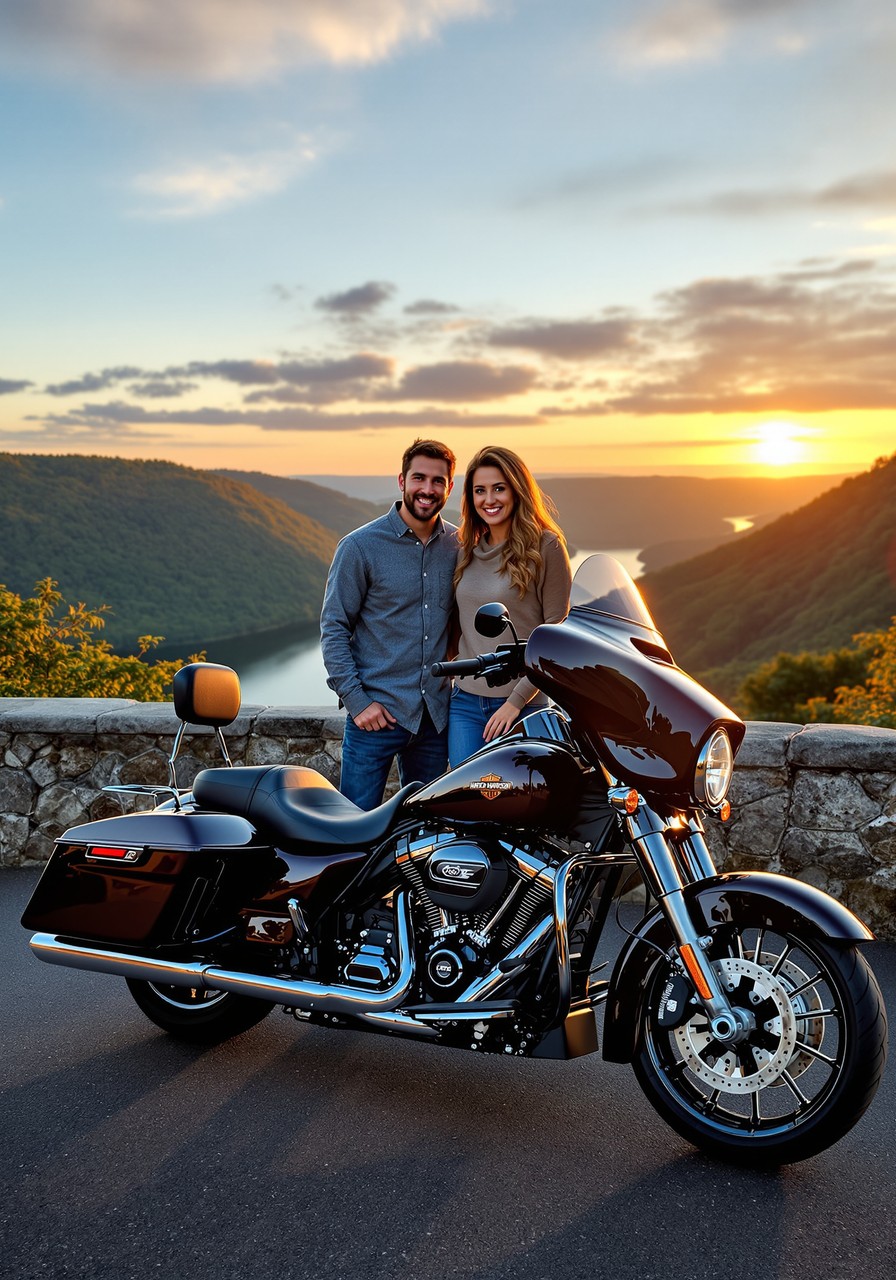
One free conversation. One entry. Twenty thousand dollars on the line. Get yours going at (855) 337-7062. #RideNationNJ #20kGiveaway #NJRiders
Local NJ & Rides
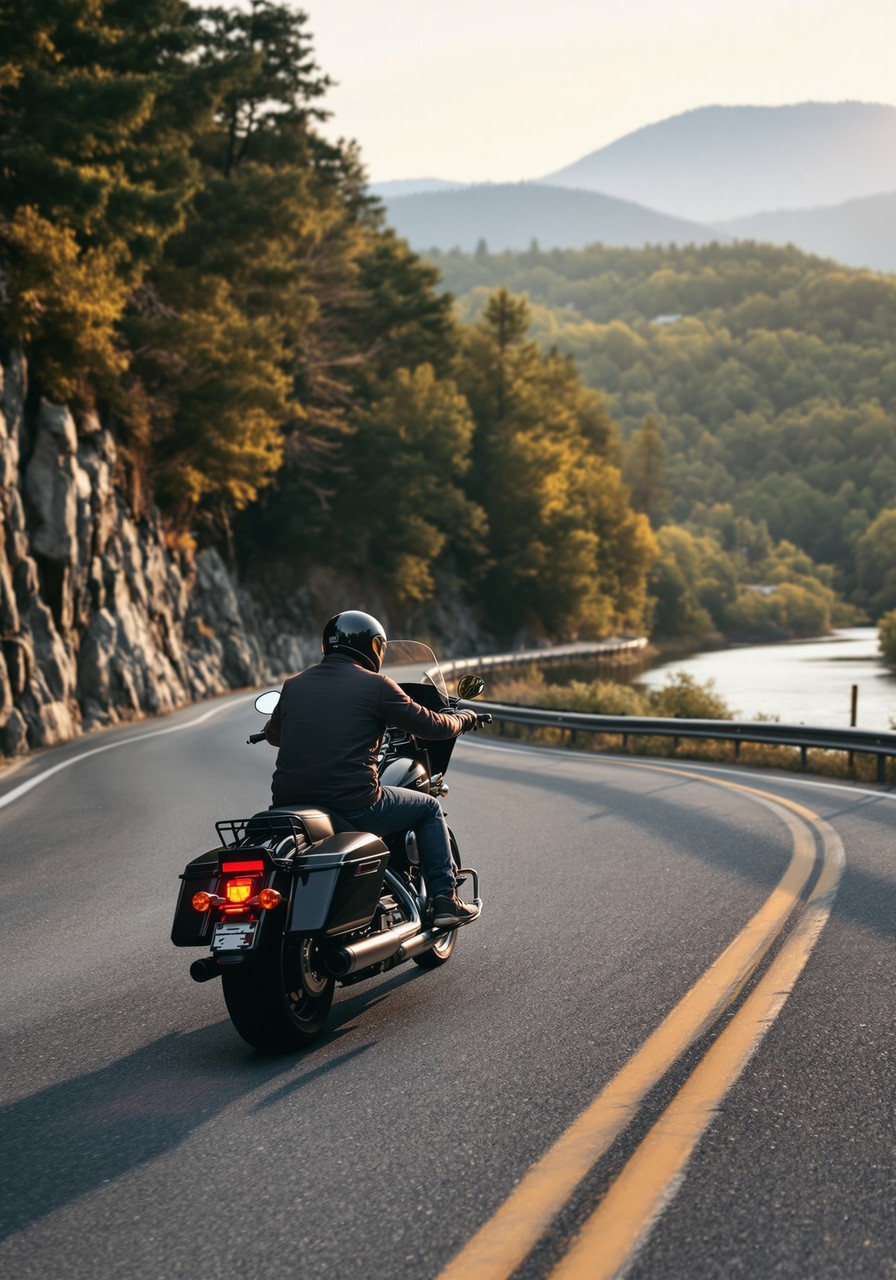
The Turnpike is for getting there, not for the soul. When you can, drop off at an exit and let the local roads do the work. #RideNationNJ #GardenState #NJRiders
Gear & New Iron
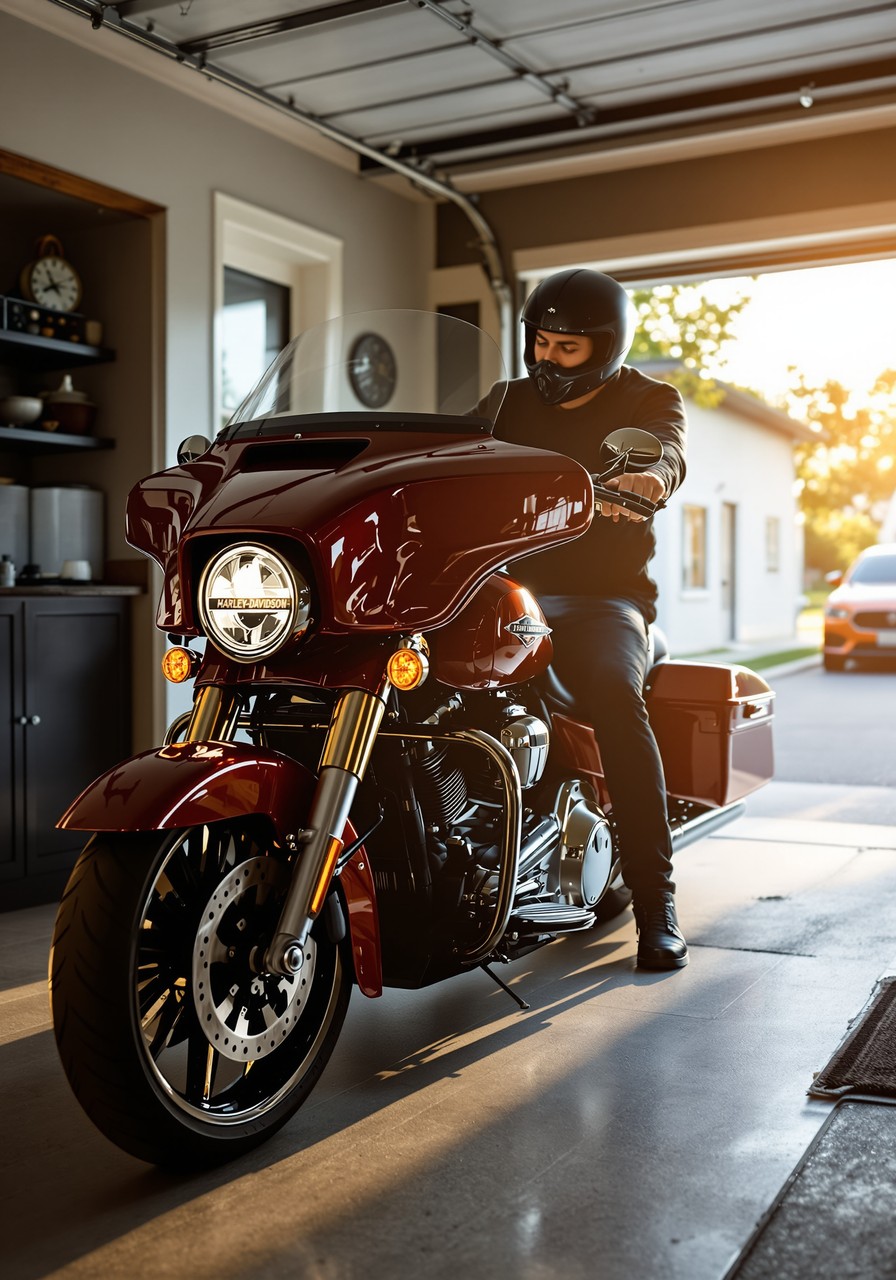
Eyeing new iron this year? The 2026 middleweights are landing with sharper brakes and better rider aids. Test ride a few before you fall for the spec sheet. #RideNationNJ #NewIron #BikerLife
Safety & NJ Law
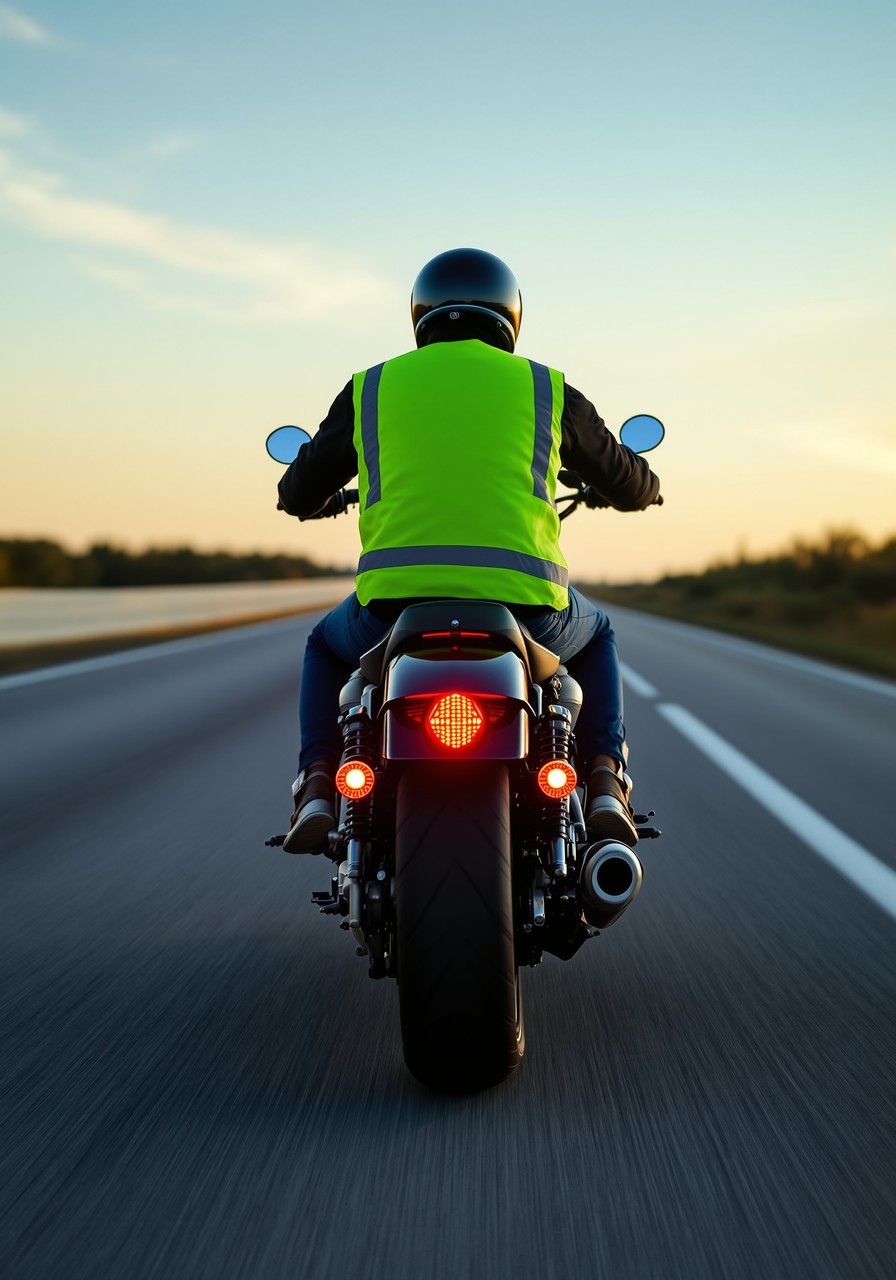
No PIP for motorcyclists in New Jersey cuts both ways. Your own medical bills are on you, but you also escape the verbal threshold and keep full tort rights. Want the whole picture? Call Garces, Grabler & LeBrocq at (855) 337-7062. #RideNationNJ #RiderRights #KnowYourRights
Engagement
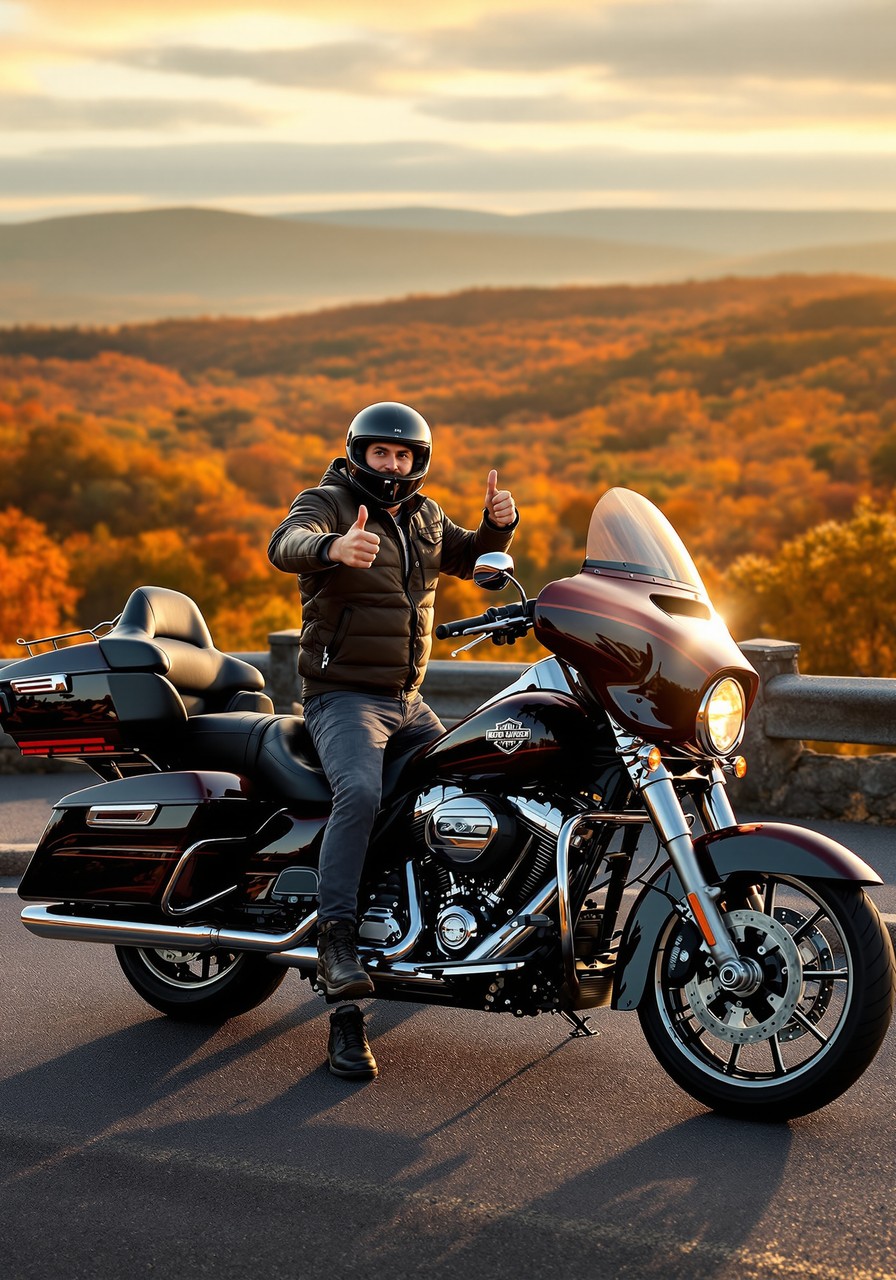
Tag the friend you are dragging out for the first group ride of spring. No excuses. #RideNationNJ #RideOrDie #GardenState
Giveaway & Countdown
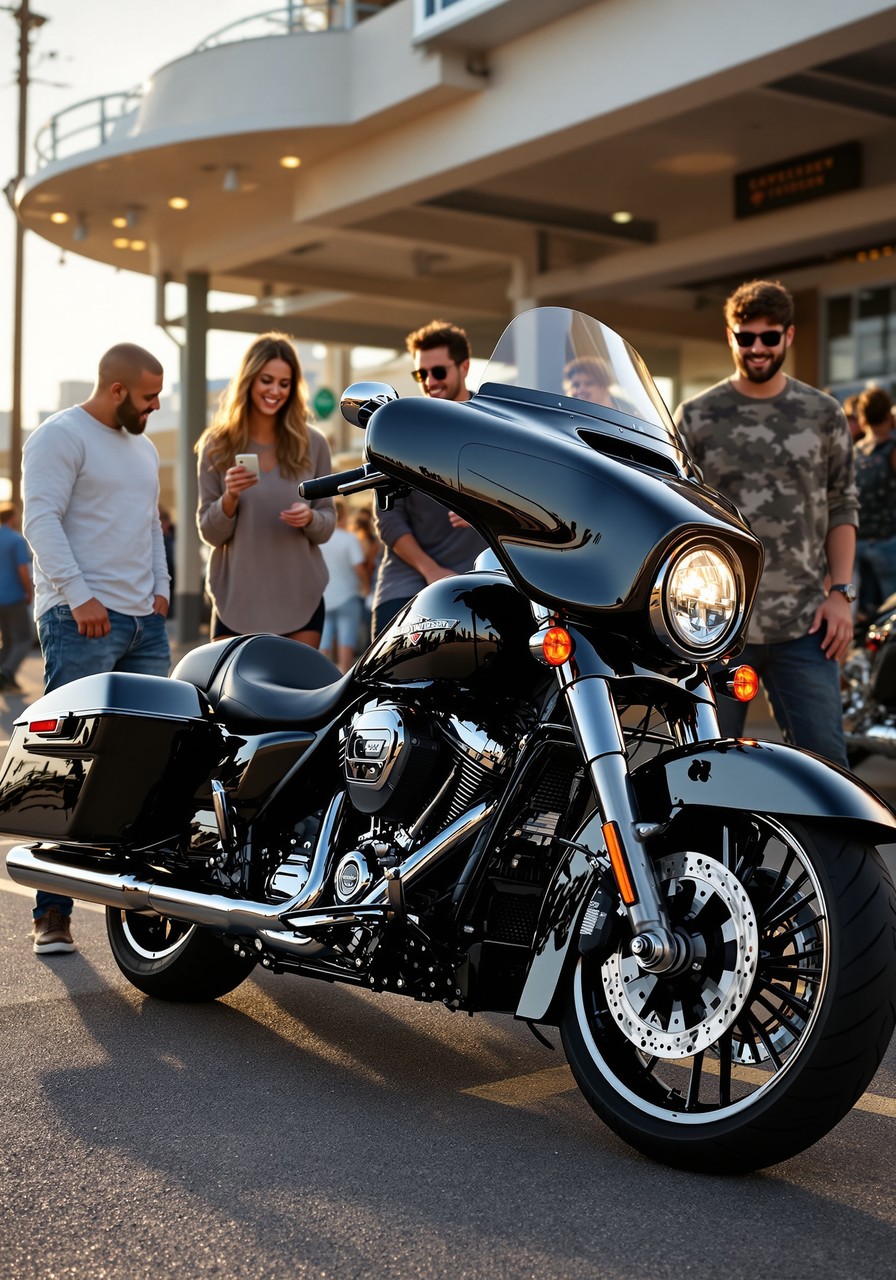
Winner energy across the whole Garden State. Keep sharing, keep tagging, and keep this community loud about the $20,000 giveaway. #RideNationNJ #MotorcycleGiveaway #NewJerseyRiders
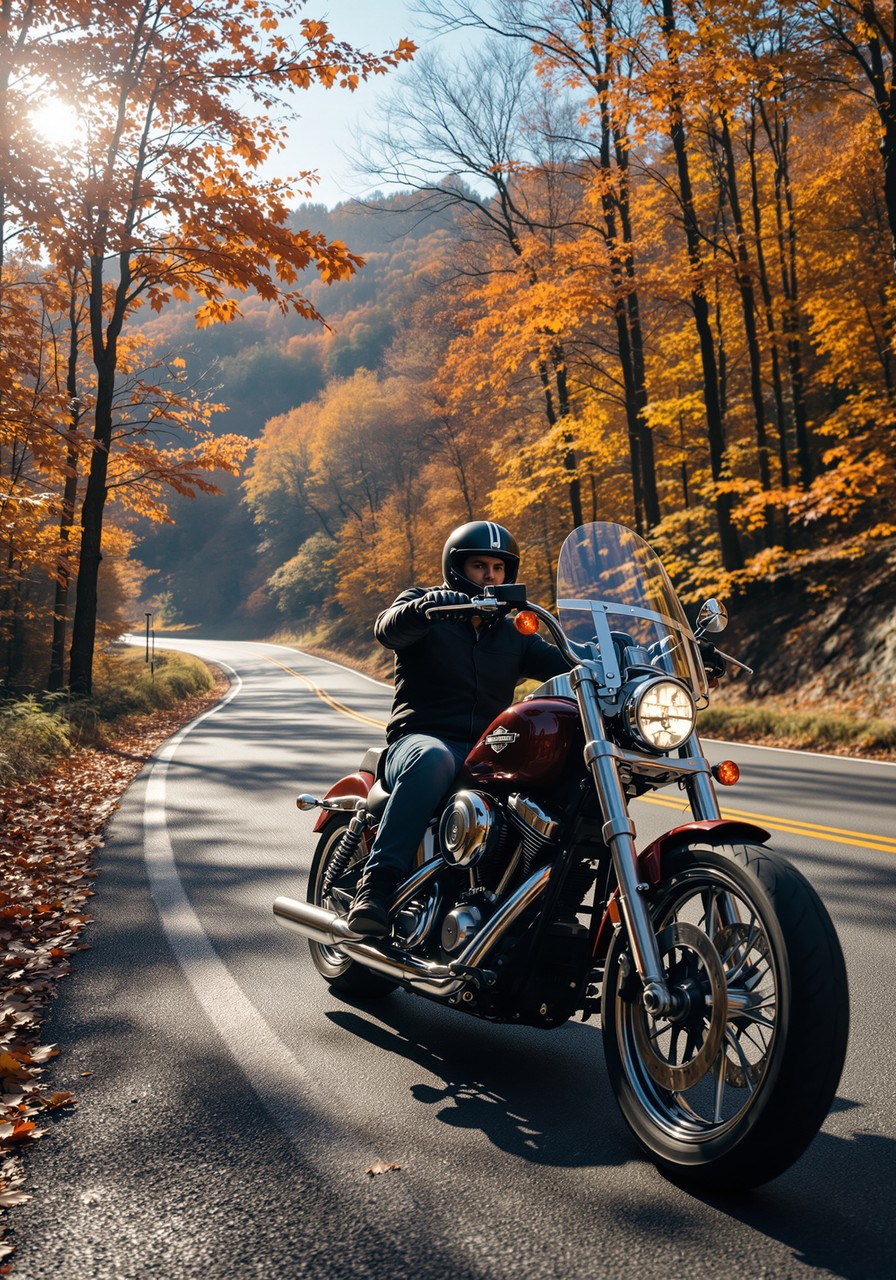
Local NJ & Rides
Route 18 gets busy near the shopping stretches, so ride the gaps and mind the jughandles. Smooth beats quick through there. #RideNationNJ #NJRiders #NewJerseyRiders
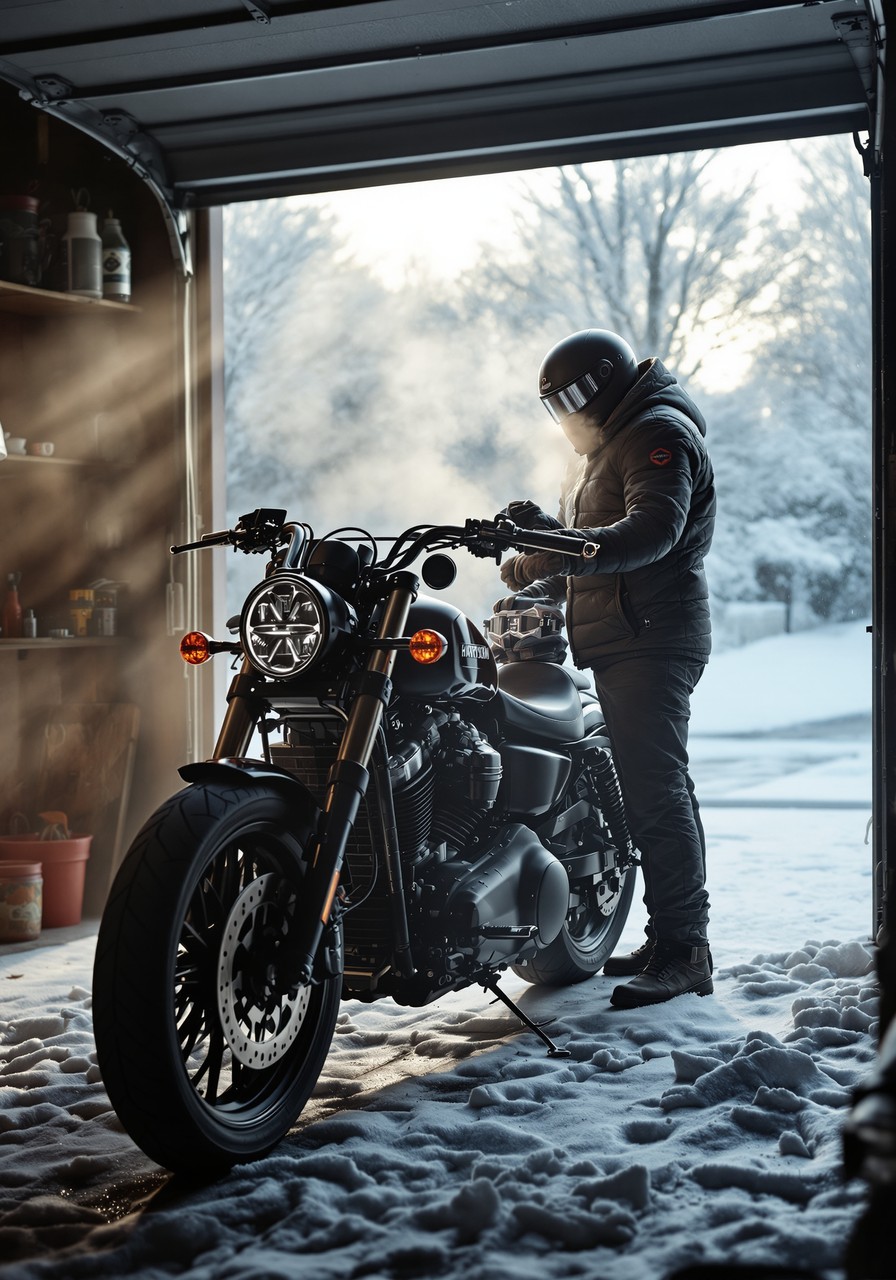
Gear & New Iron
New bike, new tires, new habits. Fresh rubber has a mold-release film, so ease into the lean for the first 100 miles and let the tires scrub in. #RideNationNJ #NewIron #RiderTips
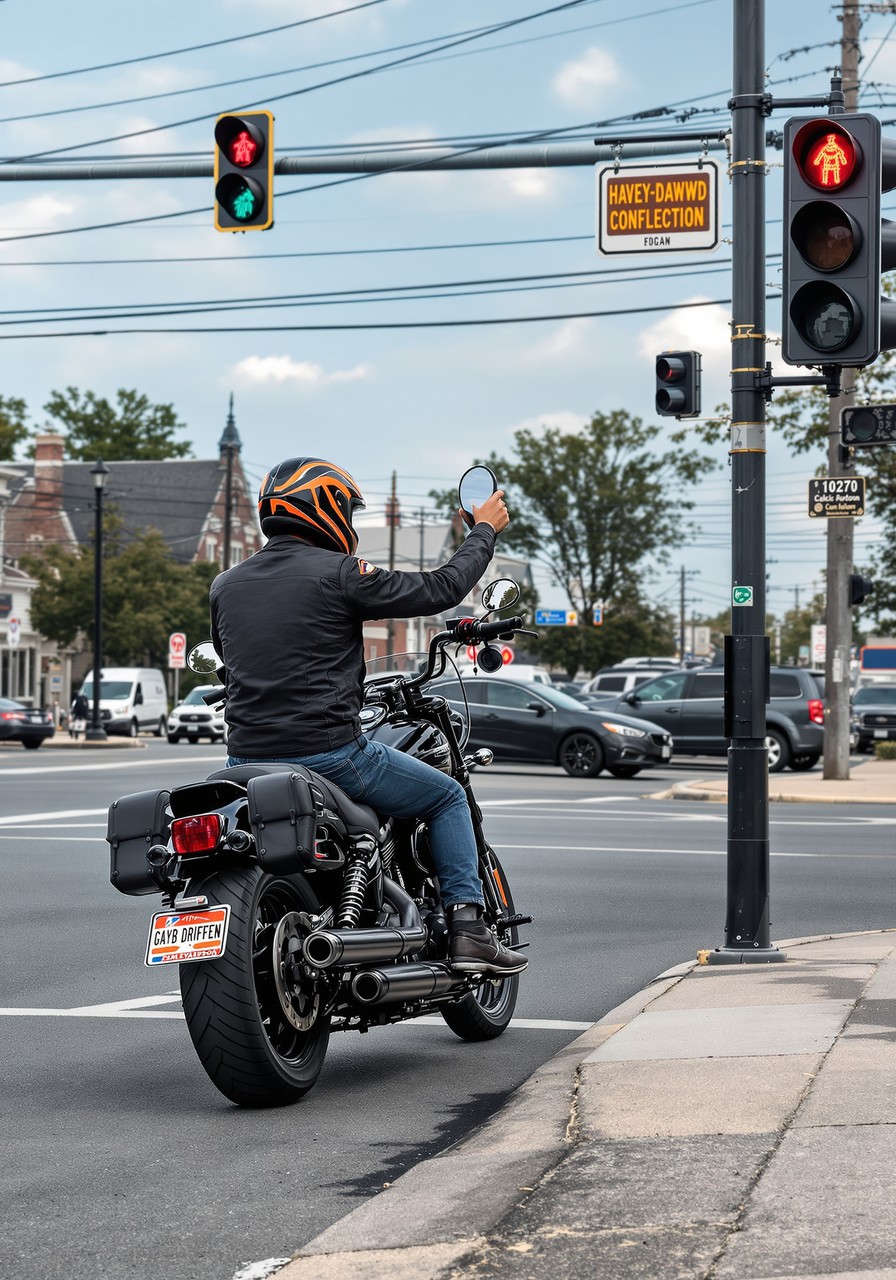
Safety & NJ Law
Winter riding here means respecting black ice on shaded curves, the Skyway, and every bridge deck. If you cannot trust the surface, slow down and stay upright. #RideNationNJ #MotorcycleSafety #GardenState
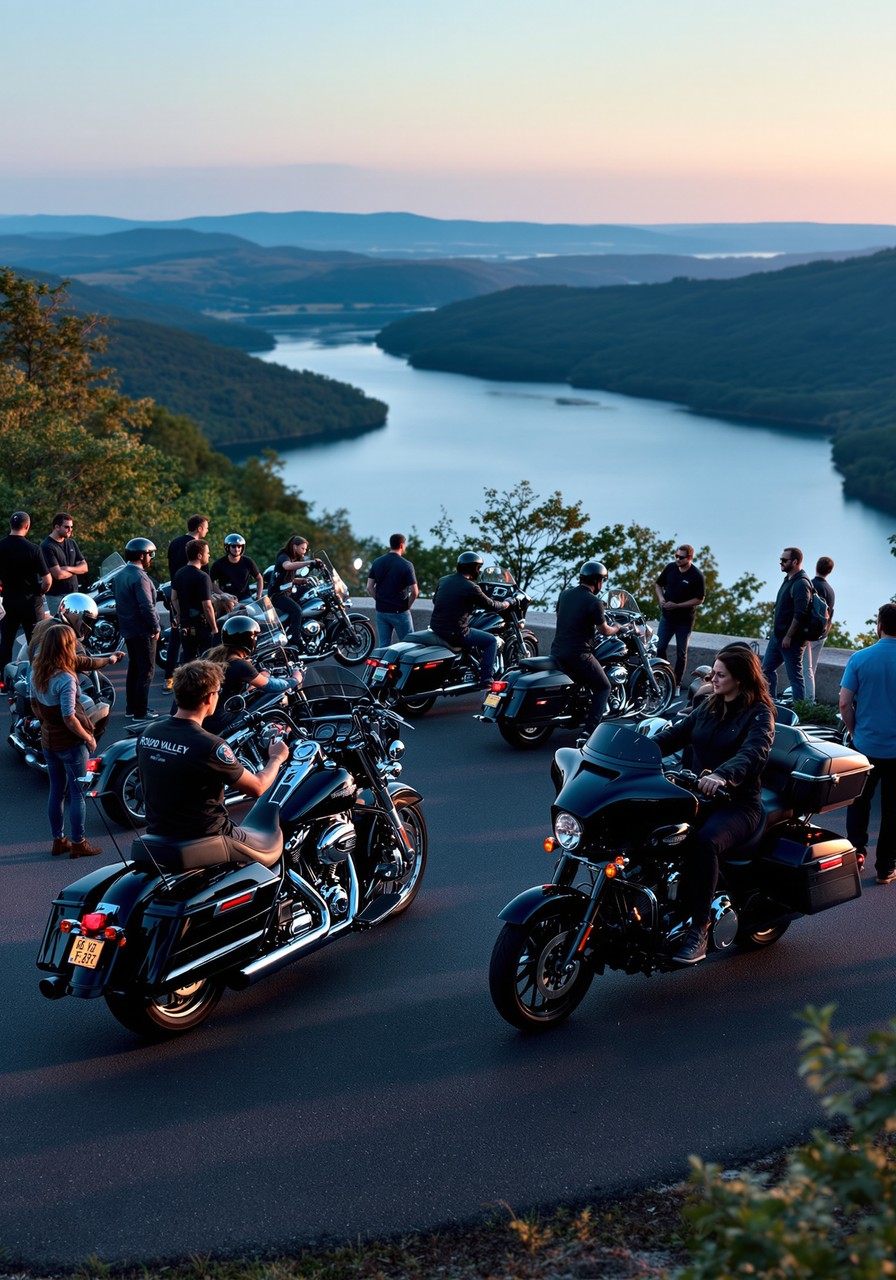
Engagement
Caption this: two riders at a Pine Barrens crossroads, map on the phone, arguing about which way is more fun. #RideNationNJ #PineBarrens #NJRiders
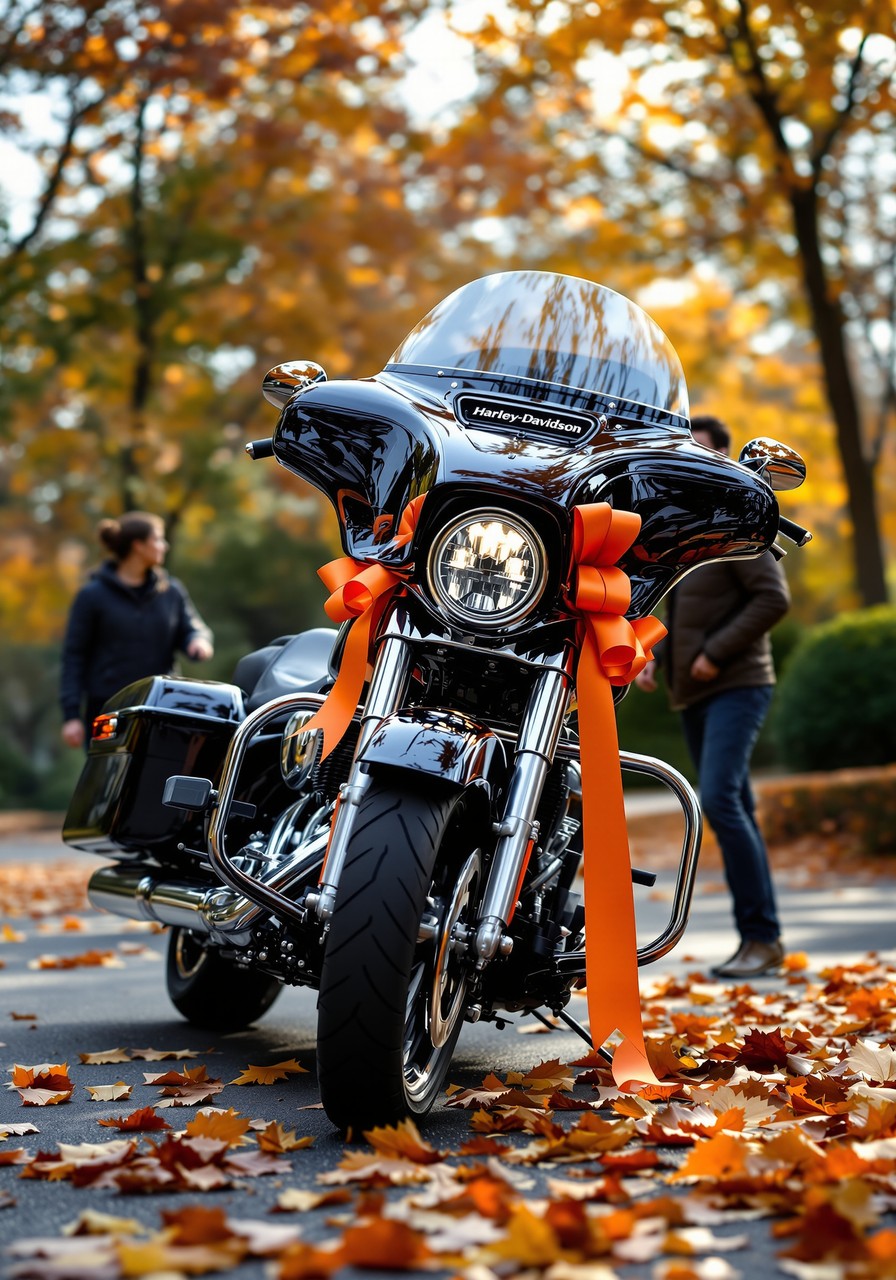
Giveaway & Countdown
Do not let your buddies miss this. A free case review with our team enters them to win $20,000. Send them to (855) 337-7062. #RideNationNJ #BikersWin #NJRiders
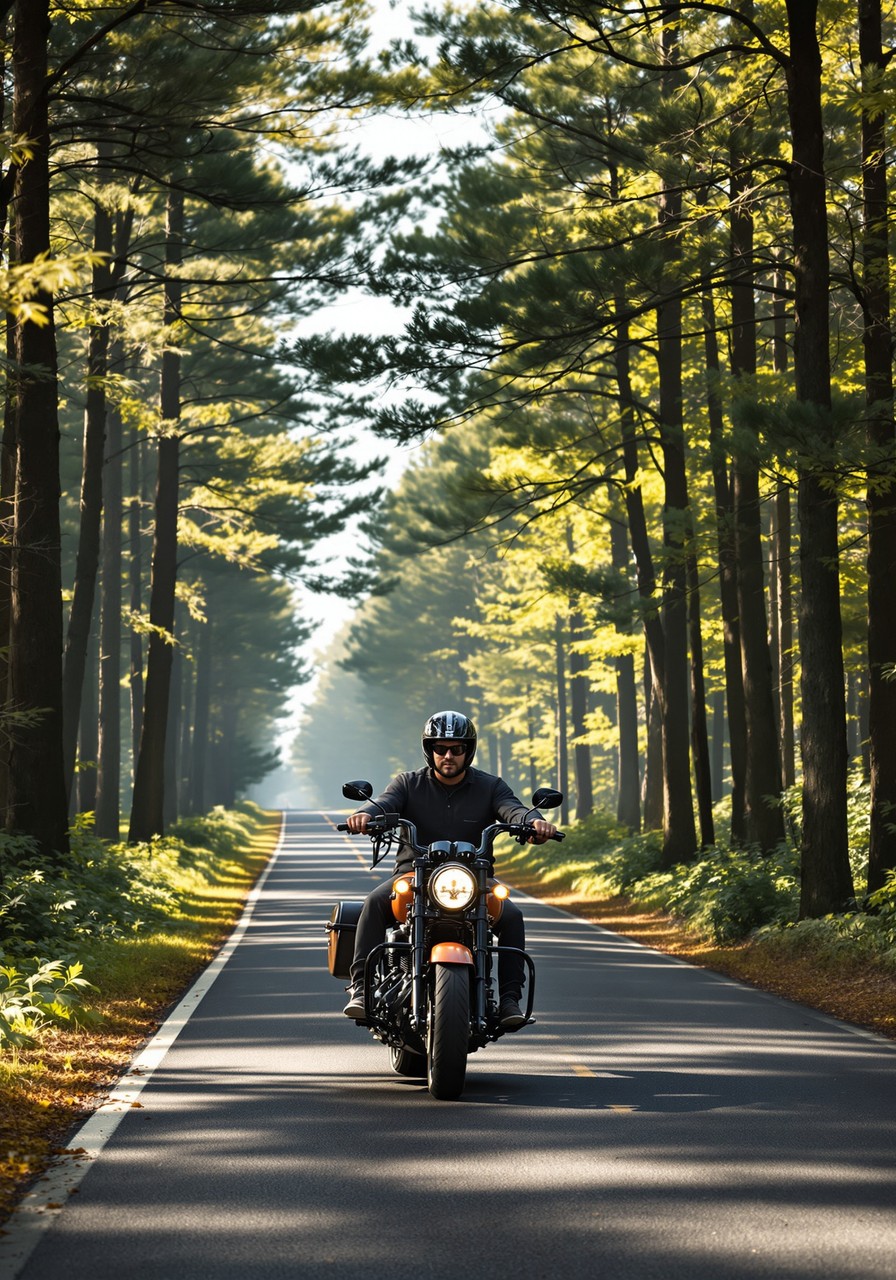
Local NJ & Rides
Long Beach Island empties out after Labor Day and the riding gets sweet. Cooler air, open roads, and the causeway to yourself. #RideNationNJ #JerseyShore #NJRiders
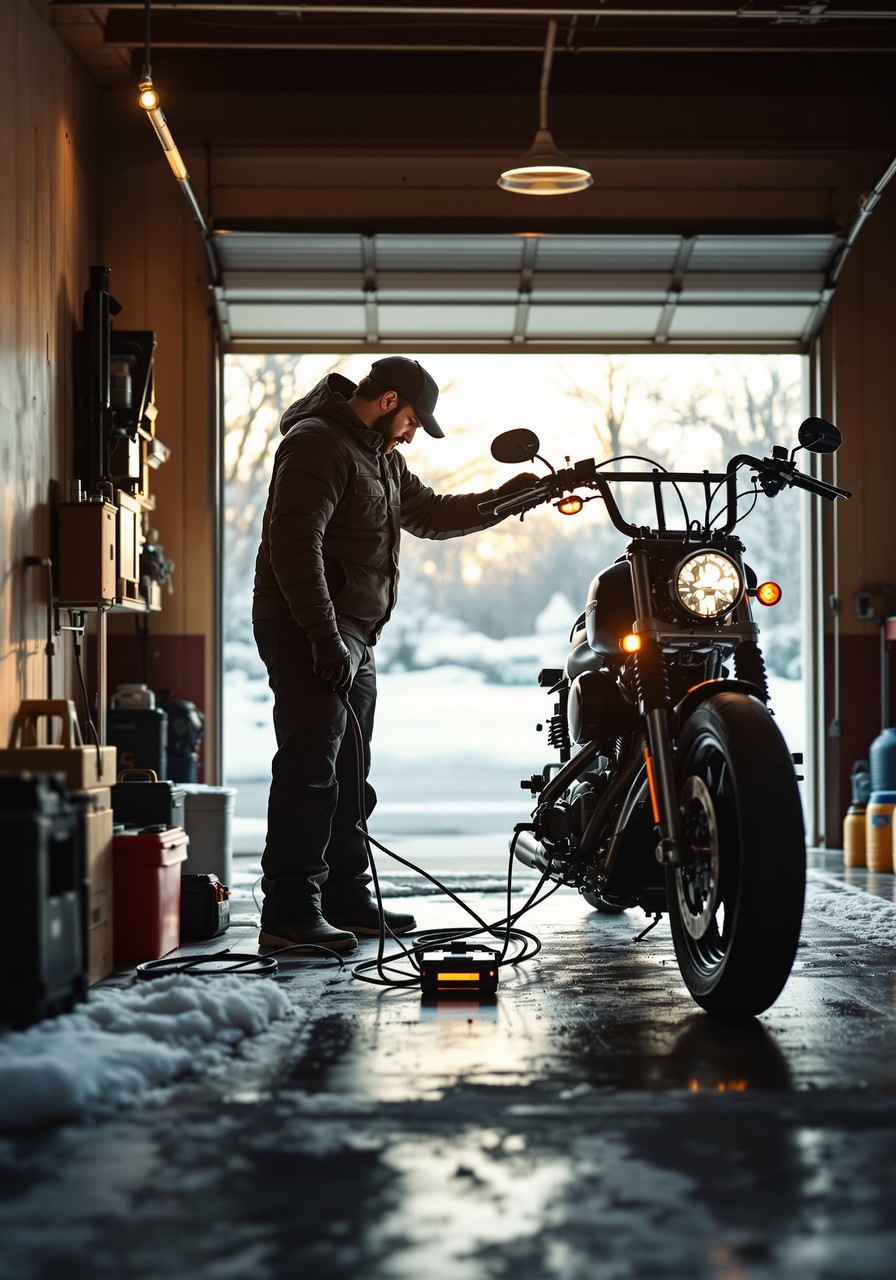
Gear & New Iron
Buying used this off-season? Check the tire dates, the chain, the brake fluid color, and whether it saw a tender all winter. That story tells you a lot. #RideNationNJ #NewIron #MotorcycleMaintenance
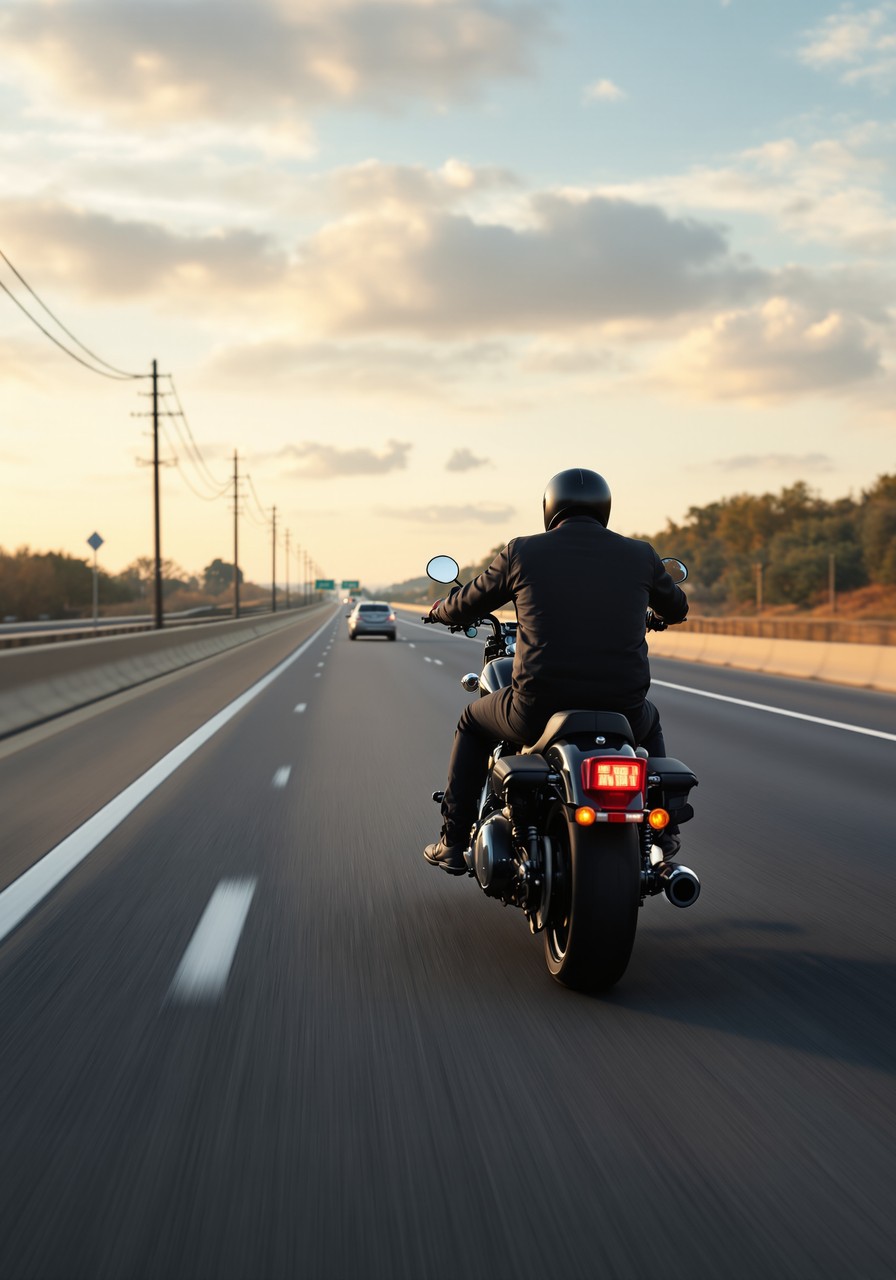
Safety & NJ Law
There is no PIP on your bike, so a low-limit or hit-and-run driver can leave you exposed unless your UM/UIM is solid. Have us check yours before you need it, call (855) 337-7062. #RideNationNJ #RiderRights #NewJerseyRiders
Engagement
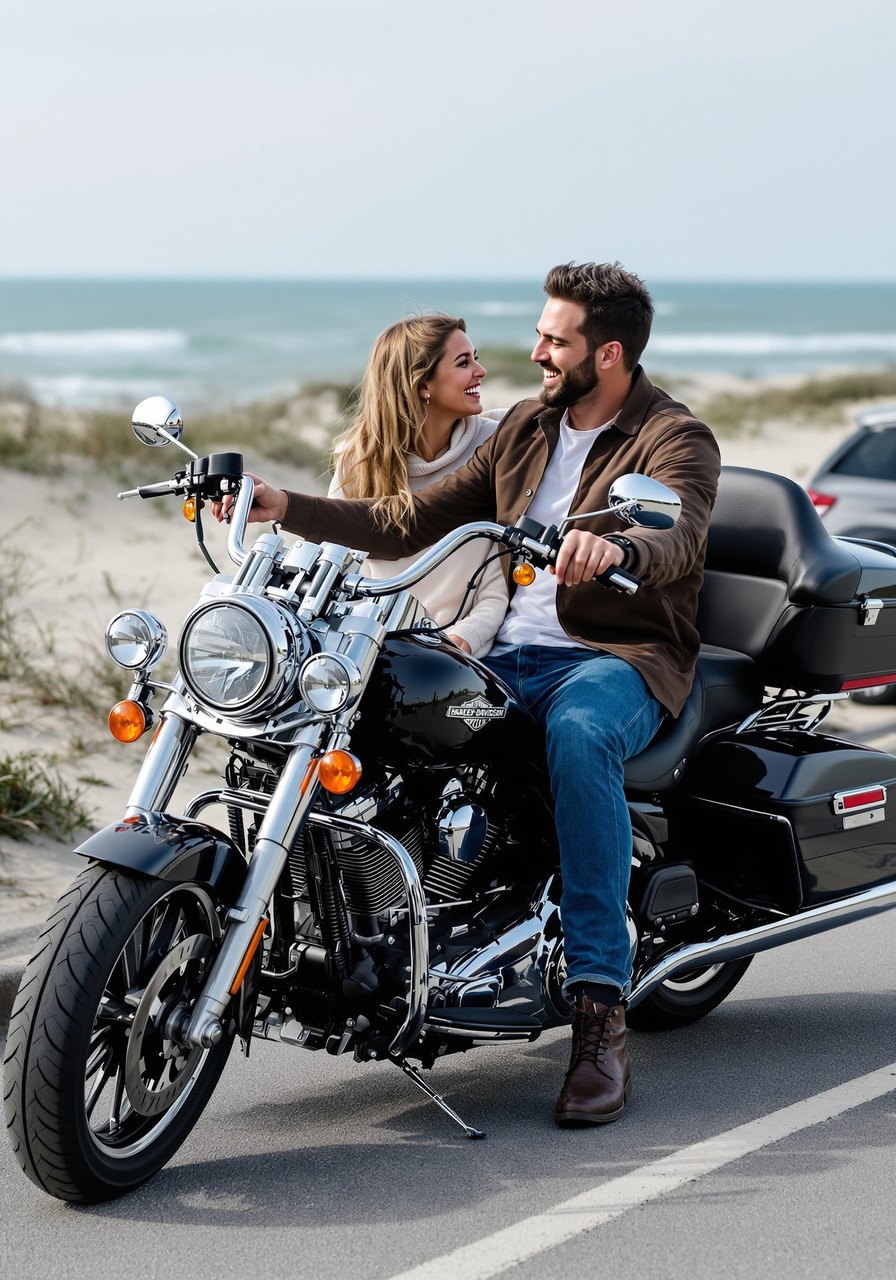
Fill in the blank: winter in Jersey is long, but I get through it by ______. #RideNationNJ #GardenState #NewJerseyRiders
Giveaway & Countdown
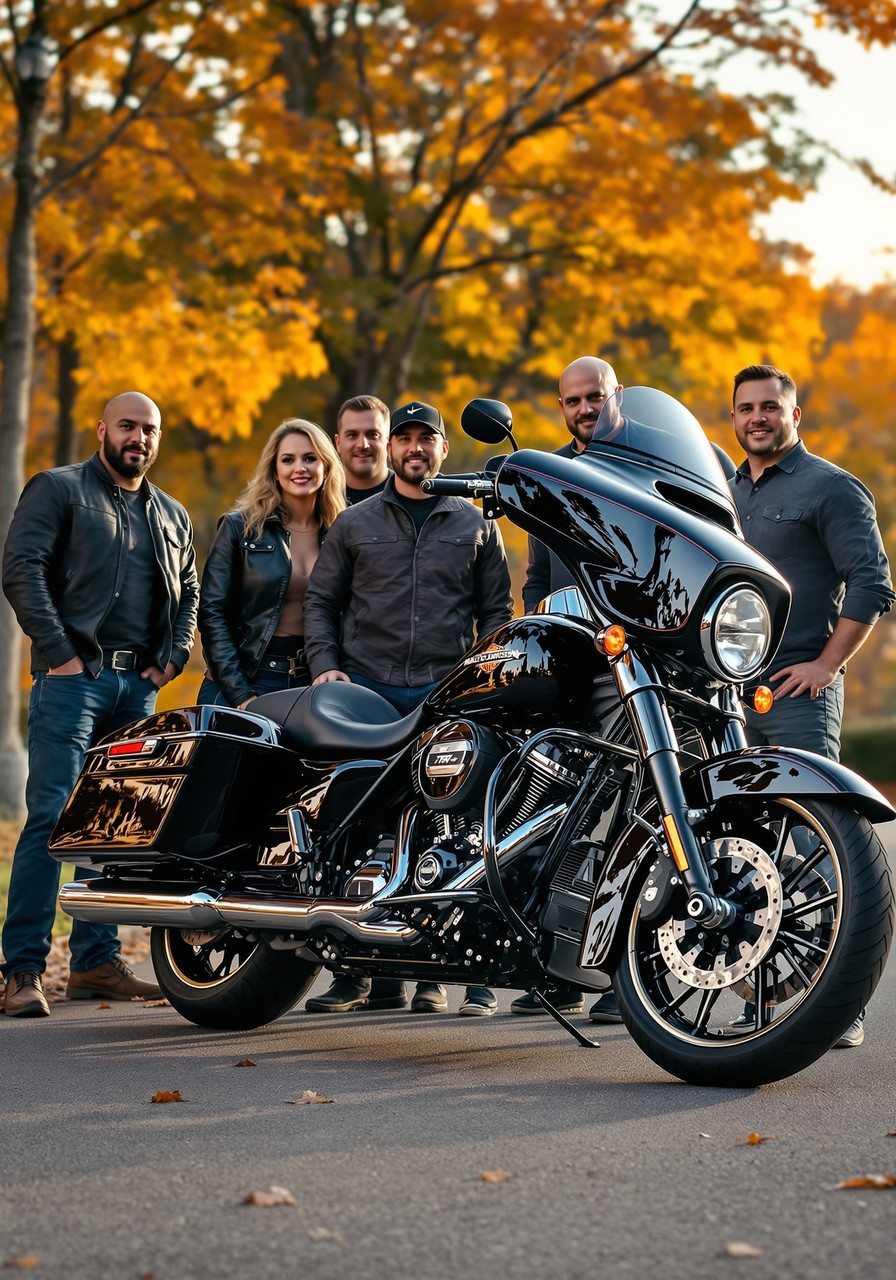
Final stretch feeling in the air, Ride Nation. Twenty thousand dollars, one lucky rider, and a whole community pulling for each other. Stay tuned. #RideNationNJ #20kGiveaway #GardenState
Local NJ & Rides
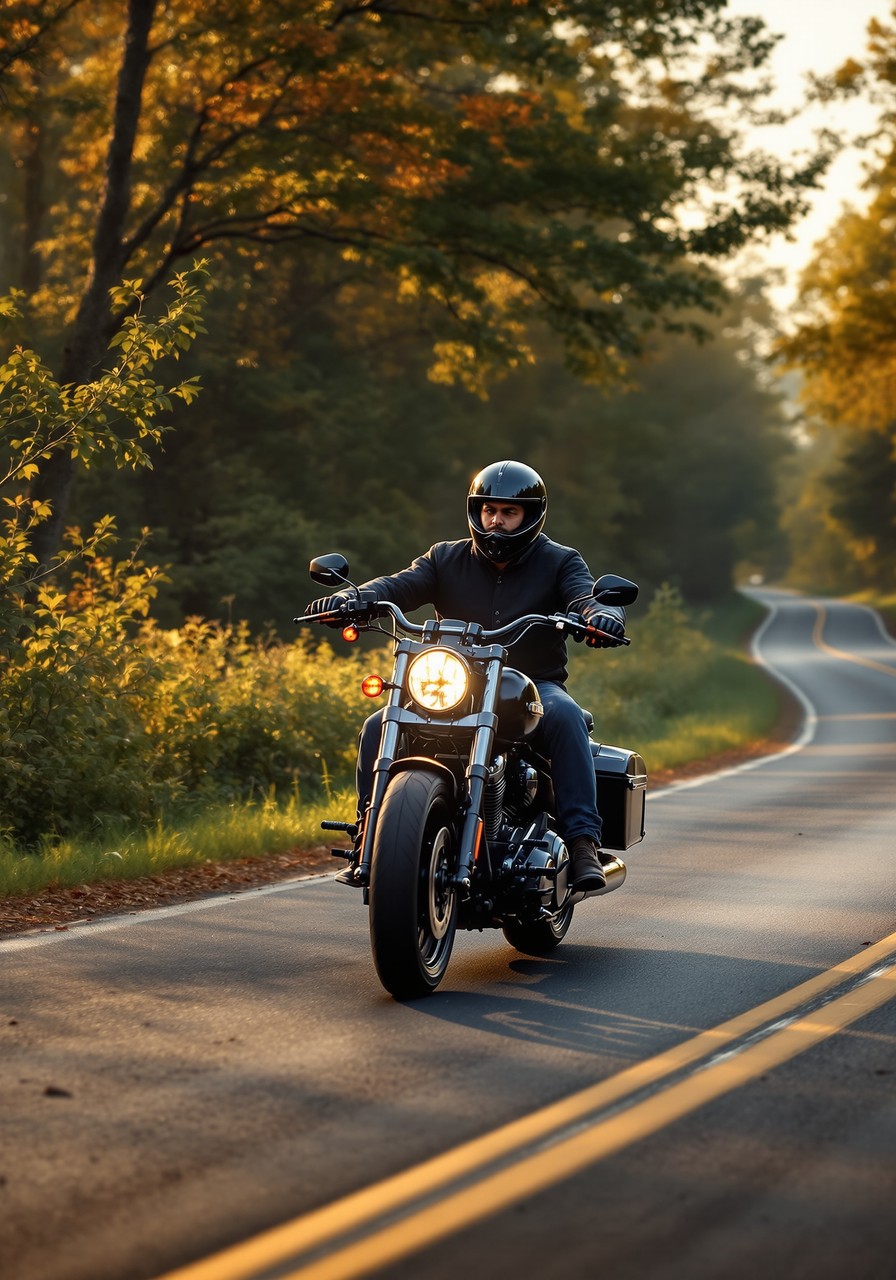
Ringwood State Park in peak fall color is one of the best short rides in North Jersey. Go on a weekday and skip the leaf-peeper cars. #RideNationNJ #NJRiders #GardenState
Gear & New Iron
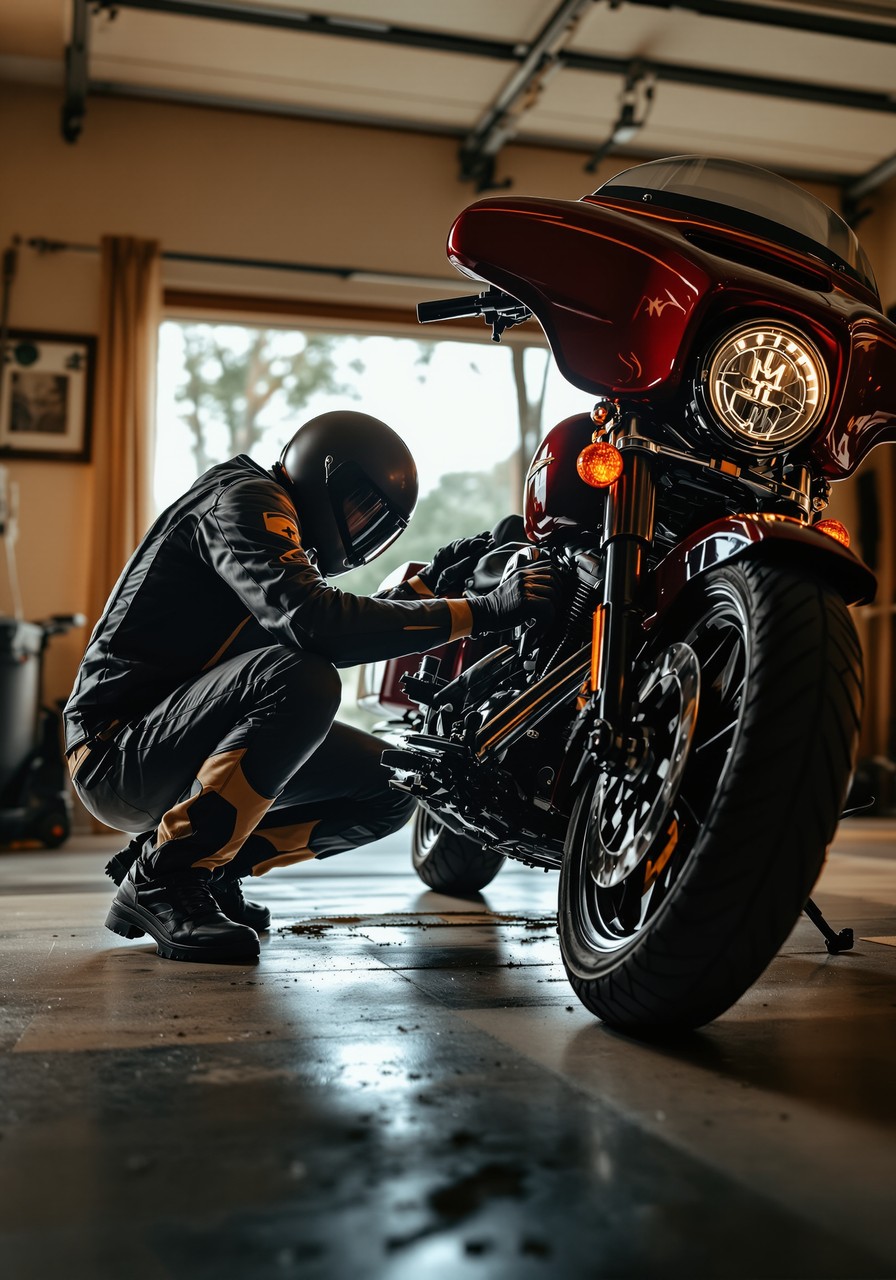
New gear feels great, but fit is the whole game. A helmet that shifts or a jacket where the armor floats off the joint will not do its job. Try before you buy. #RideNationNJ #GearUp #ATGATT
Safety & NJ Law
Here is the New Jersey rule worth knowing before you ever crash: as a rider you sit outside no-fault, so you keep full tort rights that car drivers trade away. Ride safe, and know the law is on your side. #RideNationNJ #KnowYourRights #RiderRights